2026-09-23
Can Silicone Leak into Breast Milk After Breast Augmentation? The Truth Behind the First Reported Case in Korea (2017)
Learn whether silicone can leak into breast milk after breast surgery. Exploring the rare 2017 Korean case, implant anatomy, breastfeeding safety, and silent ruptures.
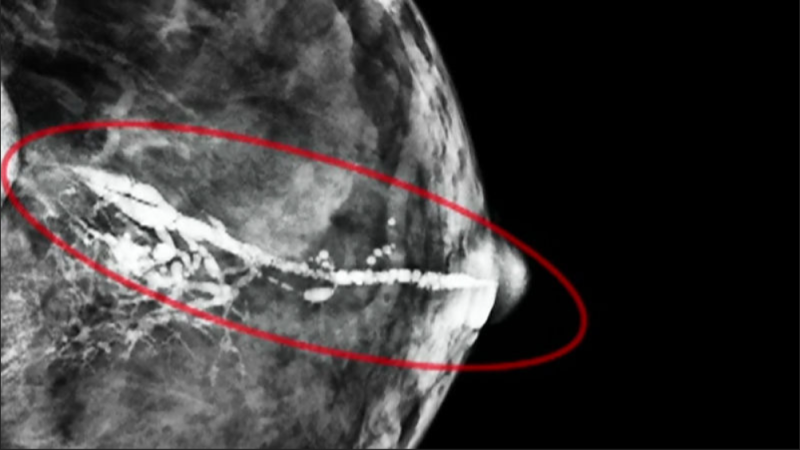
In South Korea, there is only one official case reported by the Ministry of Food and Drug Safety (MFDS) in January 2017 regarding silicone being detected in breast milk after breast implant surgery.
In this case, the implant ruptured, and leaked silicone gel mixed into the breast milk through the mammary ducts. This remains an extremely rare event globally.
As long as the implant is intact, it does not come into direct contact with the mammary tissue, meaning it does not affect breastfeeding.
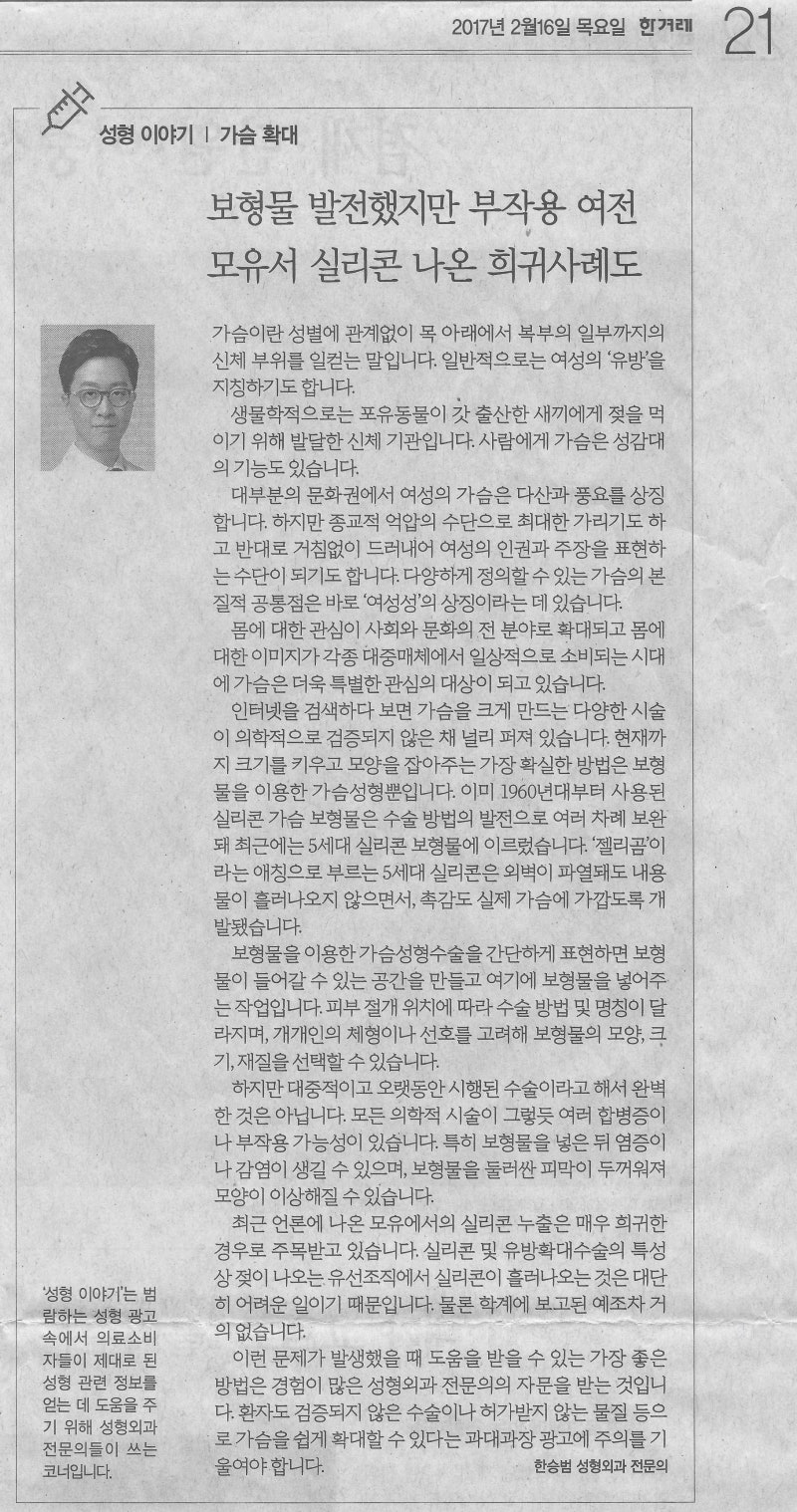
I wrote a column for The Hankyoreh about this case in 2019.
Here is a summary of what was written back then and what has changed since.
What happened in 2017?
According to an announcement by the MFDS on January 12, 2017,
A mother who gave birth in 2016 noticed a sticky liquid mixed in during nursing and visited a university hospital in Seoul.
An MRI confirmed that the implant had ruptured and silicone had leaked out through the mammary ducts.
This was the first time that silicone detected during breastfeeding was officially reported as an adverse event in Korea.
Fortunately, no health issues were found in the infant who consumed the silicone, and the mother underwent implant removal surgery.
Prompted by this report, the MFDS announced plans to conduct a comprehensive safety re-evaluation of seven types of implants from five manufacturers used domestically by March 2017.
According to the announcement at the time, approximately 3,600 breast implant adverse events had been reported over the preceding four years,
with ruptures accounting for 66% of those cases.
Why is this an extremely rare occurrence?
Breast implants are placed beneath the mammary gland tissue.
When placed in a dual-plane (submuscular) position, the muscle sits between the mammary gland and the implant.
Even when placed subfascially, the implant is isolated from the mammary gland by the fascia.
Most importantly, once inserted, the implant is compartmentalized and isolated by a capsule formed by the body's natural healing response.
For silicone from an implant to mix into breast milk, the implant shell must rupture,
the surrounding capsule must be compromised,
and there must be an open pathway allowing the leaked silicone to migrate into the mammary tissue.
In my 2019 column, I wrote: "Given the anatomical nature of silicone and breast augmentation, it is extremely difficult for silicone to leak out of the nipple, and such cases are virtually unheard of in medical literature."
This remains true today. If the implant is intact and correctly positioned, it does not affect breastfeeding.

What remains true from what I wrote in 2019
Fifth-generation cohesive silicone implants—often referred to as 'gummy bear' implants—are formulated with high cohesiveness so that the inner filling does not easily spill out even if the outer shell tears.
Consequently, even if a rupture occurs, the breast's shape and feel often remain unchanged, leaving patients unaware of the rupture.
What the 2017 case highlights is not that "silicone will inevitably leak into breast milk,"
but rather that "ruptures can develop silently without symptoms, making routine imaging checkups essential."
The US FDA recommends that individuals with silicone implants undergo their first imaging screening 5 to 6 years after surgery,
followed by regular checkups every 2 to 3 years.
Like any surgical procedure, breast implant surgery carries potential risks such as inflammation, infection, and capsular contracture, where the surrounding capsule thickens.
These are uncommon, and when informed and prepared, they are manageable issues.
One should always exercise caution regarding advertisements claiming easy breast enlargement using unverified procedures or unapproved materials.
Frequently Asked Questions
Can I breastfeed normally after breast augmentation surgery?
Yes, as long as the implant is intact, it will not affect breastfeeding. The implant is positioned beneath the mammary gland tissue and is completely isolated by the body's natural capsule, preventing any direct contact with the milk ducts.
Are there any verified cases of silicone being detected in breast milk?
Yes, there has been one officially reported case in South Korea, announced by the MFDS in January 2017. A nursing mother noticed a sticky substance in her milk; medical imaging revealed that a ruptured implant shell and damaged capsule allowed silicone to enter the mammary ducts. This remains an exceptionally rare medical event.
Did the infant suffer any harm from consuming breast milk containing silicone?
No, follow-up evaluations confirmed that the infant who consumed the milk experienced no adverse health effects. The mother subsequently underwent implant removal, and regulatory agencies reviewed the safety profiles of related medical implants.
Is it possible to have an implant rupture without noticing it?
Yes, it is entirely possible to be unaware of an implant rupture. Modern fifth-generation silicone gel implants have high cohesiveness, meaning they often retain their shape and texture even after tearing, leading to silent ruptures without noticeable symptoms.
When should I get imaging screenings to check for implant rupture?
According to US FDA guidelines, patients should undergo their first imaging examination 5 to 6 years post-surgery, followed by regular checkups every 2 to 3 years. Because ruptures can be asymptomatic, routine screenings are essential for ongoing breast health.