2026-10-03
Do You Still Need Pre-Surgery Tests for Breast Surgery If You're Healthy?
Pre-surgery testing is needed even if you feel healthy. This covers blood tests, ECG, chest X-ray, medication stops, fasting rules, and day-of prep for breast surgery.
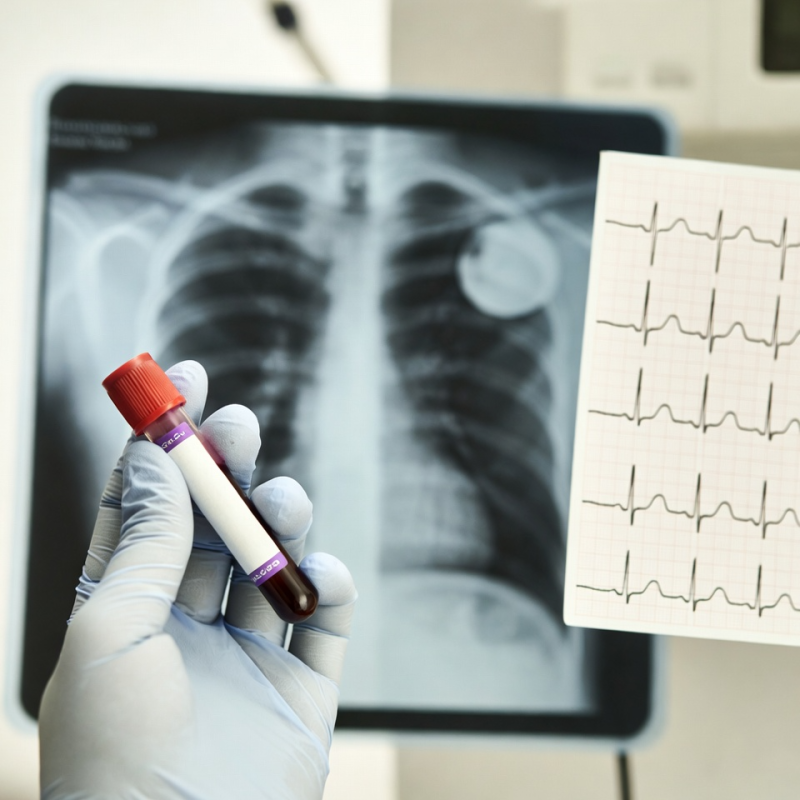
There are two parts to preparing for breast surgery.
Pre-anesthesia testing, and lifestyle management starting two weeks before surgery.
Here is a summary of what we repeatedly explain during consultations.
You Still Need Testing Even If You're Healthy
“I'm healthy most of the time. Do I really need to get tested?”
This is a question we hear often.
Even if you look healthy, testing often reveals health problems you were not aware of.
Some patients have no symptoms at all but still show elevated liver enzymes,
or white blood cell or platelet counts outside the normal range.
The basic tests are three: blood work, an electrocardiogram (ECG), and a chest X-ray.
Blood tests check for anemia, bleeding risk, signs of infection, and liver function.
The ECG checks whether your heart can tolerate anesthesia.
The chest X-ray evaluates the condition of your lungs and heart.
General anesthesia is not simply “falling asleep.”

The anesthesiologist decides on the type of drugs,
dosage, and method of administration based on your body's condition.
That plan can only be made once the test results are in.
Things to Stop Two Weeks Before Surgery
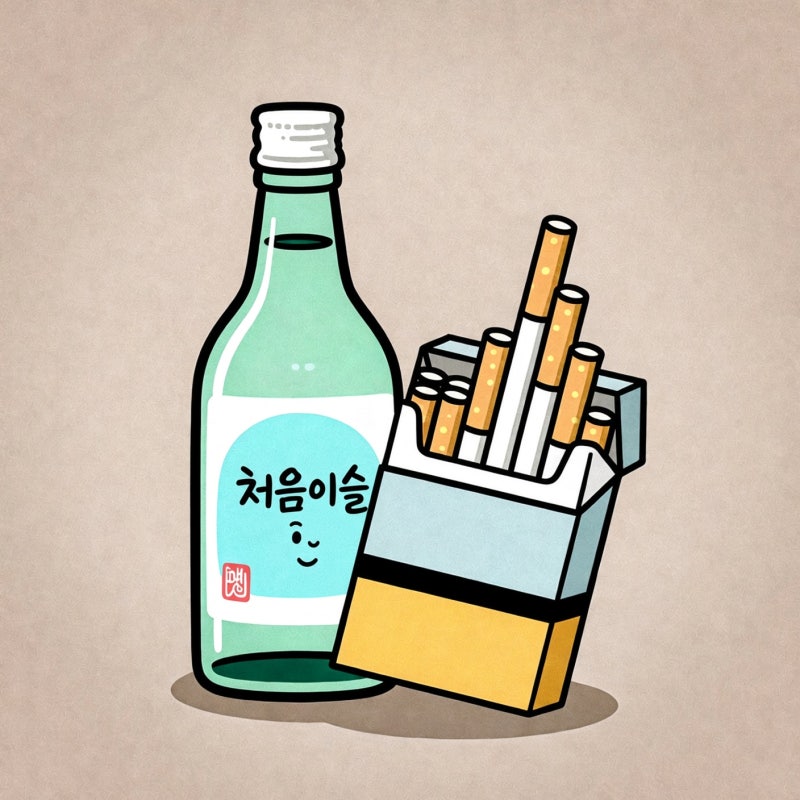
Quitting smoking and alcohol should begin two weeks before surgery.
Smoking and drinking are factors to be careful about in every type of surgery.
Medications such as aspirin, anticoagulants, vitamin E, and omega-3 should also be stopped two weeks before surgery.
These increase bleeding risk during surgery.
Please tell us in advance about any medications, supplements, herbal medicines, or health supplements you are taking, regardless of type.
The same goes for allergies and any previous experience with anesthesia.
Please mention weight-loss injections such as Wegovy or Mounjaro separately.
These drugs slow down how long food stays in the stomach.
Even if you fast the day before, your stomach may not fully empty, which raises the risk of aspiration pneumonia during anesthesia.
The American Society of Anesthesiologists (ASA) recommends stopping once-weekly formulations one week before surgery.
The Day Before and the Day of Surgery
Fasting starts 8 hours before surgery. Drinking coffee or water in the hospital lobby on the day of surgery can make anesthesia difficult. Keep fasting until the very last moment.
Nail polish and gel nails must be removed. The oxygen saturation sensor attaches to the fingernail, so it is hard to get an accurate reading with them on.
Remove piercings, metal jewelry, contact lenses, and eyelash extensions. Electrocautery is used during surgery, so metal worn on the body is hazardous.
On the day of surgery, we recommend wearing loose clothing with a front zipper or buttons.
On the night before, a light meal and adequate sleep are important.
Frequently Asked Questions
Do I really need pre-surgery testing for breast surgery if I'm generally healthy?
Yes, you should get tested even if you feel healthy. Abnormalities such as elevated liver enzymes or abnormal platelet counts can be found even when nothing seems wrong on the surface. Blood work, ECG, and chest X-ray results are essential for the anesthesiologist to design a safe general anesthesia plan.
Are there medications I need to stop two weeks before breast surgery?
Yes, medications that increase bleeding risk should be stopped. In addition to aspirin and anticoagulants, supplements such as vitamin E and omega-3 should also be discontinued two weeks before surgery. Please inform your medical team in advance of all medications, supplements, and herbal medicines you are taking.
Do I need to tell the hospital if I use weight-loss injections like Wegovy or Mounjaro?
Yes, you must inform us in advance. Weight-loss injections slow stomach emptying, so even with fasting, food may remain in the stomach and increase the risk of aspiration pneumonia during anesthesia. Following ASA recommendations, once-weekly formulations should be stopped one week before surgery.
Why do I need to remove nail art or piercings before surgery?
It is necessary for patient safety monitoring and to prevent burns. Nail polish and gel nails interfere with oxygen saturation readings, and piercings or metal jewelry can be dangerous when electrocautery is used during surgery, so they must be removed.
Can I drink water or coffee while fasting before surgery?
No, you should not consume anything at all, including water and coffee. Strict fasting is required starting 8 hours before surgery. Even small amounts of drinks consumed in the hospital lobby on the day of surgery can make anesthesia difficult, so fasting must be maintained until the very last moment.