2026-10-18
Breast Implant Removal Surgery: The One Key Factor to Avoid Failure
A plastic surgeon explains how to approach breast implant removal, when the capsule should be removed, and why minimizing bleeding is the key to a clean surgery and smooth recovery.

Going back under the knife to remove your breast implants is likely far more frightening and overwhelming than your first breast surgery.
Over the past 20 years, I have focused exclusively on breast surgery and have seen more than 10,000 patients.
Some came to me because of sagging, while others suffered from severe pain caused by capsular contracture. Each patient had their own reasons for wanting their implants removed.
A dark close-up of a masked surgeon wearing magnifying loupes and a headlight.
As a board-certified plastic surgeon, there is one thing I really want to tell my patients.
Breast implant removal surgery should not be approached the same way as the initial augmentation.
In the initial augmentation, only the implant size changes depending on the patient’s body type and desired result. The basic surgical approach does not differ much. Removal surgery, however, is a different story.
“Why do you want to have them removed?”
The direction of the surgery must change completely depending on the answer.
For example, if the cause is an abnormally thickened capsule surrounding the implant, the top priority should be to safely dissect away that thickened capsule rather than simply pulling out the implant.
For those who hope their second decision brings no regret or pain, I will be candid about the key criteria you must check when removing implants.
1. Is Removing the Breast Capsule Always the Right Answer?
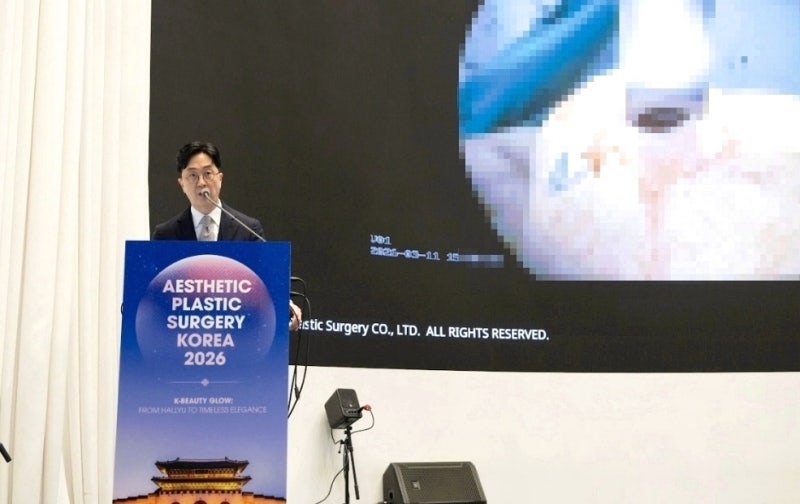
One of the most common concerns among patients preparing for implant removal is the “capsule.”
Searching online turns up many conflicting opinions, which can be confusing.
“You have to remove 100% of the capsule, or you will have cancer or other health problems later.”
“Forcibly peeling off the capsule causes pneumothorax.”
“It’s better to leave it in place for the sake of appearance.”
As a surgeon who has performed breast surgery for 20 years, I will lay out clear criteria.
To cut to the chase, removing the capsule across the board can actually do more harm than good. The reason is safety.

What if the capsule is strongly adhered to the patient’s ribs or chest wall?
If it is forcibly scraped or torn away, the lung beyond the chest wall can be damaged, triggering a life-threatening emergency such as pneumothorax.
Because this can directly affect the patient’s life, if a normal, thin capsule is firmly attached to the bone, it is medically safer not to force its removal.
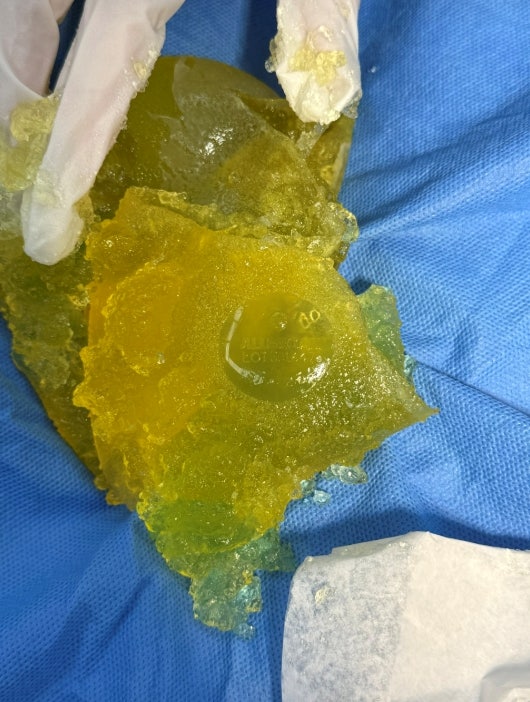
However, there are exceptions where the capsule must be removed cleanly: cases involving capsular contracture or inflammation.
What if the capsule has thickened and hardened due to capsular contracture? If it is left in place, inflammation can persist or the condition can keep worsening.
In these cases, the key is to carefully remove the thickened capsule causing the problem while taking care not to injure the surrounding healthy tissue.
In short, the right approach to the capsule is not “always remove it,” but individualized treatment based on the patient’s current condition and degree of adhesion.
2. The One Real Key to a Clean Removal
There are many reasons to remove implants, including complications, pain, or simply a change of heart. But whatever the reason, there is one prerequisite that must be met for a surgery to be considered truly “clean.”
That prerequisite is “minimizing intraoperative blood loss.”
Why does simply losing less blood matter so much that it can decide the success of the surgery?
The answer lies in the surgeon’s field of vision.
When bleeding increases during surgery, blood covers the surgical site, making it extremely difficult for the surgeon to see. With poor visibility, it becomes hard to accurately distinguish the tiny blood vessels and nerves around the implant, as well as the inflamed tissue and thickened capsule that must be removed. Ultimately, a clean surgery becomes impossible.
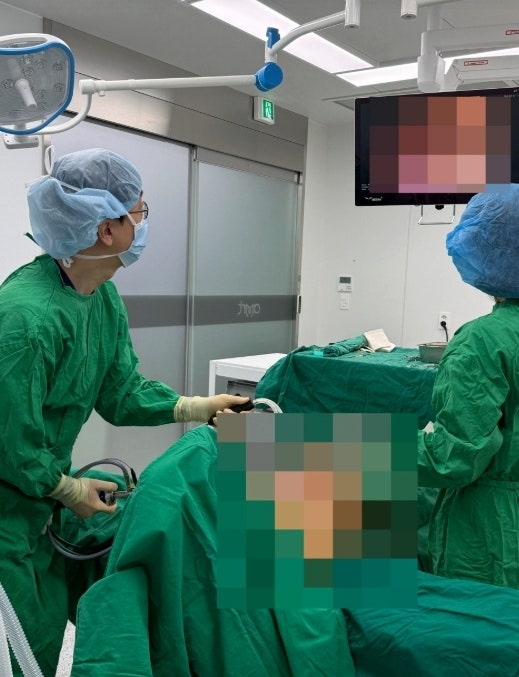
Moreover, heavy bleeding also means greater tissue damage. That translates directly into the swelling and severe pain the patient must endure after surgery.
So how can bleeding be reduced?
The approach involves making a very small incision, carefully dissecting the tissue while visually checking each layer, and immediately controlling any tiny bleeding points as they appear.
This process demands tremendous stamina and intense concentration from the surgeon.
To be honest, even I, a surgeon who has performed thousands of operations, feel completely drained after finishing a single breast implant removal surgery.
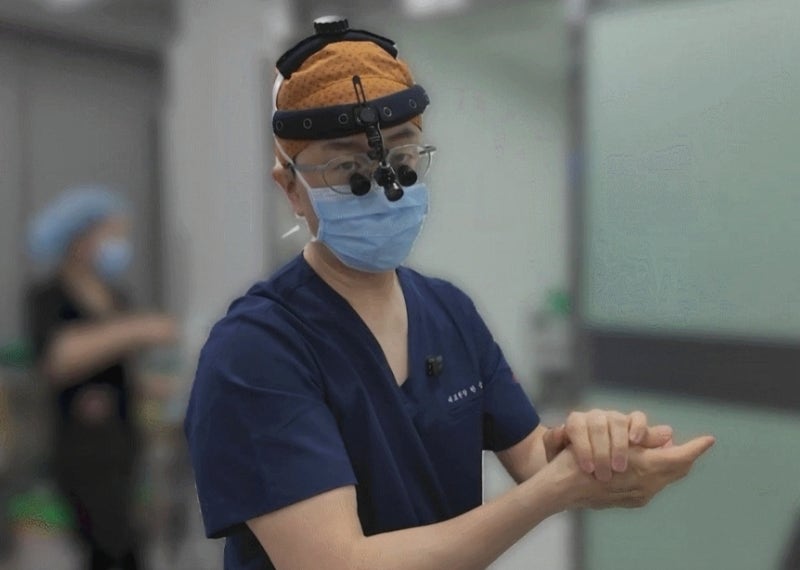
That is why I made the decision to strictly limit the number of surgeries I perform each day. It is my personal principle: to devote all of my energy to one patient at a time.
It would be helpful to check whether the clinic has a dedicated system in place to minimize bleeding.
Breast implant removal is not a simple matter of pulling silicone out of the body. It is a highly demanding “restoration process” that clears inflammation, gently cares for damaged tissue, and helps the body regain its natural health.
For a safe outcome, please remember the two key points I have covered today.
First, the capsule should not be removed across the board. It requires selective removal based on an accurate diagnosis.
Second, to achieve a clean surgical result and a painless recovery, bleeding must be minimized.
With a careful decision, I sincerely hope that your second choice frees you from physical and emotional pain and helps you return to a comfortable everyday life.
<Related column you may find helpful>
Amora Tap Plastic Surgery |
Main Phone: 02-522-0955 28, Seorodaero 78-gil, Seocho-gu, Seoul, Square Cube, 3rd Floor |
This post was written directly by Amora Tap Plastic Surgery in compliance with Article 56 of the Medical Service Act, for the purpose of providing accurate medical information.
All procedures and surgeries may cause side effects of varying severity depending on the individual. Please make a careful decision after thorough consultation with your medical team.
Frequently Asked Questions
Do I have to remove the entire capsule?
No, removing the entire capsule is not always the right answer. The article explains that treatment should be tailored to the patient’s current condition and degree of adhesion. If a normal, thin capsule is firmly attached to the bone, it is considered safer not to force its removal.
Will forcibly peeling off the capsule cause pneumothorax?
Yes, the article explains that forcibly scraping or tearing the capsule can damage the lung beyond the chest wall and cause pneumothorax. Extra caution is needed especially when the capsule is strongly adhered to the ribs or chest wall. Pneumothorax is described as an emergency that can be directly life-threatening.
If there is capsular contracture or inflammation, does the capsule need to be removed?
Yes, in cases of capsular contracture or inflammation, the thickened capsule is considered an exception that must be cleanly removed. Leaving it in place can cause inflammation to persist or worsen. The key is to carefully remove the capsule causing the problem while protecting the surrounding healthy tissue.
Why does bleeding need to be reduced during implant removal surgery?
It is necessary to secure a clear surgical field so the procedure can be completed cleanly. Heavy bleeding covers the surgical site, making it hard to distinguish the tiny blood vessels and nerves around the implant, inflamed tissue, and the capsule. Heavy bleeding also indicates greater tissue damage, which can lead to swelling and pain after surgery.
Is breast implant removal surgery done the same way as the initial augmentation?
No, the article stresses that removal surgery should not be approached the same way as the initial augmentation. In augmentation, the basic approach stays largely the same, and only the implant size changes based on body type and desired result. Removal surgery, however, requires a completely different direction depending on the reason for removal.
How should the surgical approach change to reduce bleeding?
The key is to make a very small incision, dissect the tissue finely while visually checking each layer, and immediately control small bleeding points as they appear. This process demands high stamina and concentration from the surgeon.