2026-10-22
Where Did the 10-Year Breast Implant Replacement Rule Come From? A Guide to When to Replace
Where the '10-year breast implant replacement rule' came from, why replacement should depend on implant condition rather than time, and the warning signs to watch for.

If you're considering breast augmentation, or you've already had the procedure, you've probably heard something like this at least once online or from people around you:
"Breast implants have to be replaced every 10 years, no matter what."
"I haven't reached 10 years yet, so I don't need to worry about it, right?"
Among the patients who visit our clinic, some come in saying, "It's been 10 years, so I'm here to have my implants replaced," even though they have no discomfort at all and their breasts look perfectly fine.
On the other hand, some patients ignore warning signs, such as breasts that have become firm or changed shape, telling themselves, "It hasn't been 10 years yet, so it should be fine."
To cut to the chase, both approaches are based on the wrong standard.
Today, we'll clearly explain where the "10-year replacement rule" came from and which signs you should pay attention to.
So where did the "10-year replacement rule" actually come from?
Breast implants made in the early days, before the 1990s, were nowhere near as durable as today's.
In fact, quite a few cases involved implants rupturing or developing problems around 10 years after surgery, which led to revision surgery.
A further popular misconception was then added. The U.S. FDA recommended that patients be told in advance that "implants are not devices meant to last a lifetime, so the longer they stay in place, the greater the likelihood of reoperation."
Adding to the confusion, the observation period of the large-scale follow-up study (the Core Study) conducted at the time to verify safety just happened to be 10 years.
As these points were passed from person to person, they were twisted into a frightening rule, much like an appliance's expiration date: "After 10 years, you must replace them no matter what."
But breast implant technology has advanced remarkably since then.
Today's products are highly durable, and the FDA has also stated that an implant's lifespan varies from person to person and cannot be predicted in advance.
The standard for deciding on replacement is not "how many years have passed since surgery," but "what condition is it in now?"
If you've gone 10 years without any problems, there is no reason at all to undergo surgery again on purpose.
So when should you start considering replacement?
Rather than going by the calendar, you should check for three signals your body sends you.
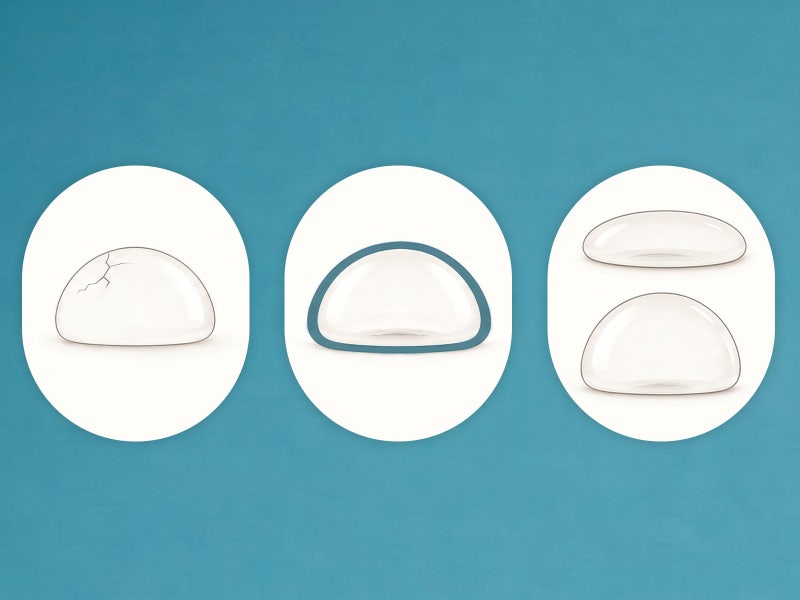
① Rupture (Silent Rupture)
This is the part patients find most surprising.
Modern implants are filled with a sticky "cohesive gel" that keeps the contents from leaking out even if the outer shell tears.
That's why it's very common for an implant to rupture with no pain at all and no change in the breast's outward appearance.
It can't be detected by touch. It can only be found by looking inside with ultrasound or MRI.
② Capsular Contracture: When the Breast Becomes Firm
When an implant is placed, the body forms a thin membrane (capsule) as a defensive response.
Normally, the breast should feel soft, but in some cases this capsule gradually thickens and tightens around the implant, making the breast feel firm and tight.
Because it develops slowly, it's easy to brush off with "Has it always felt like this?" But the earlier it's caught, the much easier it is to treat.
③ When You're Unhappy with the Shape or Size
Even if the implant itself is fine, replacement is still an option.
Over the years, skin elasticity declines and sagging or asymmetry may develop. Or, for aesthetic reasons, you may simply want a larger size than you originally had. In either case, replacement can absolutely go ahead after consulting with a specialist.
Even if I feel fine, do I really need to get a checkup at the hospital?
If you're asking, "If it doesn't hurt and looks fine, why do I have to go to the hospital?", my answer is that you should absolutely get regular checkups.
As I mentioned earlier, there are cases where an implant has quietly ruptured inside without any pain and without any visible change in shape.
In fact, it's not uncommon for a rupture to be discovered by chance during a breast ultrasound done for another medical concern.
So, how often should you get screened?
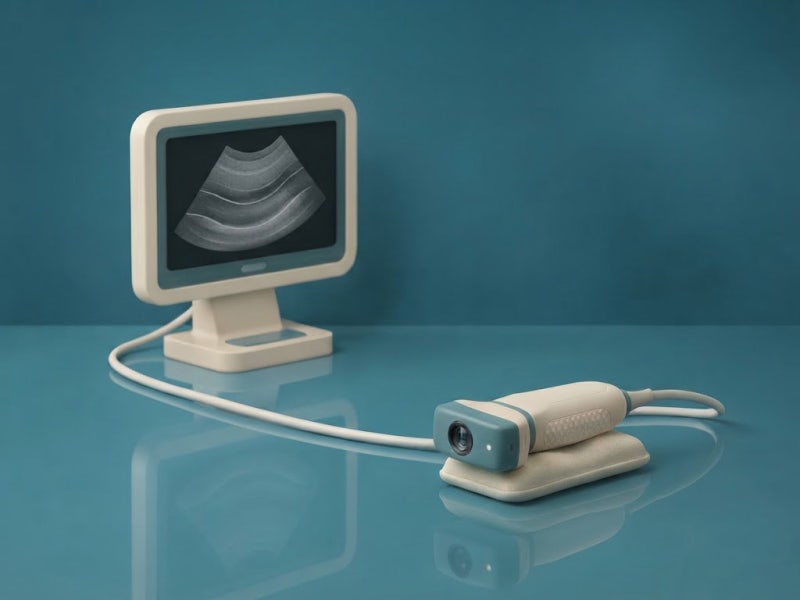
The U.S. FDA recommends a first ultrasound or MRI exam 5 to 6 years after surgery, followed by checks every 2 to 3 years.
In my practice, even without any specific symptoms, I recommend an ultrasound check of your implants at least once every 2 to 5 years.
Even with a silent rupture, catching it early makes treatment relatively straightforward.
That's why, when choosing a hospital, it's essential to ask whether they offer regular follow-up exams after breast augmentation.
If you're planning breast augmentation, or you've already had it, please remember just two things.
1) The standard for replacement is not the number 10, but the current condition of your implant.
2) Even if you have no symptoms at all, the safest approach is to have an ultrasound check every 2 to 3 years.
What to check before surgery
1) Whether they explain replacement criteria based on rupture, capsular contracture, and satisfaction, rather than a "10-year" cycle
2) Whether they explain the ultrasound follow-up schedule after breast surgery
3) If you had surgery a long time ago, when the implant's condition was last checked
A board-certified plastic surgeon who performs breast augmentation should not only perform a surgery that satisfies the patient, but also explain the screening plan for 10 and 20 years down the road.
This post was written to provide accurate medical information, in compliance with Article 56 of the Medical Service Act.
Every procedure and surgery can cause side effects, big or small, depending on the individual. Please consult thoroughly with your medical team and make a careful decision.
Frequently Asked Questions
Do breast implants have to be replaced after 10 years?
No. The number 10 itself is not a replacement standard. The standard is the implant's current condition, not how many years have passed. If there are no problems after 10 years, there is no reason to undergo surgery again just for the sake of it.
Where did the 10-year replacement rule come from?
It's a misunderstanding that arose from the combination of early implants' low durability, an FDA recommendation, and a follow-up study period that happened to be 10 years. As it was passed from person to person, it was distorted into the rule that implants must be replaced after 10 years no matter what.
What signs suggest I should consider replacing my breast implants?
The main signs are silent rupture, capsular contracture that makes the breast feel firm, and dissatisfaction with shape or size. Silent rupture often causes no pain and no change in appearance, so it can only be detected with ultrasound or MRI.
Should I get checked even if I have no symptoms?
Yes, I recommend regular checkups even without symptoms. Some implants rupture quietly inside even when the breast doesn't hurt and looks normal, and it's not uncommon for a rupture to be found by chance during a breast ultrasound performed for another reason.
How often should breast implants be checked?
Even without symptoms, I recommend an ultrasound check every 2 to 5 years. The U.S. FDA recommends a first ultrasound or MRI exam 5 to 6 years after surgery, followed by checks every 2 to 3 years.
What should I confirm with a hospital before surgery?
Check whether they explain replacement criteria based on rupture, capsular contracture, and satisfaction rather than a 10-year cycle. Also ask whether they provide an ultrasound follow-up schedule after surgery, and, if you had surgery long ago, when your implant's condition was last checked.