2026-11-06
Why You Might Regret Asking for “I-Cleavage”: The Detail That Matters More Than the Letter Shape
Alphabet names like I-cleavage, Y-cleavage, and UU-cleavage describe how breasts look when gathered in a bra. What matters more is a natural transition from the rib cage to the breast.

Recently, people often describe cleavage using alphabet letters, such as I-cleavage, Y-cleavage, or UU-cleavage.
In consultations, many people say things like, “I’d like I-cleavage,” describing the shape they want with a letter.
To cut to the chase, what I focus on most in surgery is not the shape of the cleavage, but the line that runs from the rib cage to the breast.
So what do these alphabet-style cleavage shapes actually look like?
1. How does cleavage form naturally?
Cleavage is the space between the two breasts. If the breasts are the volume and the curves, cleavage is the empty space in between. Like the negative space in East Asian ink painting, it makes the volume on either side stand out.
Cleavage is also a shape created by a bra. Even a breast that has never had surgery won’t develop cleavage on its own without clothing. The bra has to push the volume on both sides toward the center for cleavage to appear.
The shape that results when the breasts are pushed together depends on the rib cage shape, breast volume, and skin elasticity.
2. How do I-, Y-, and UU-cleavage differ?
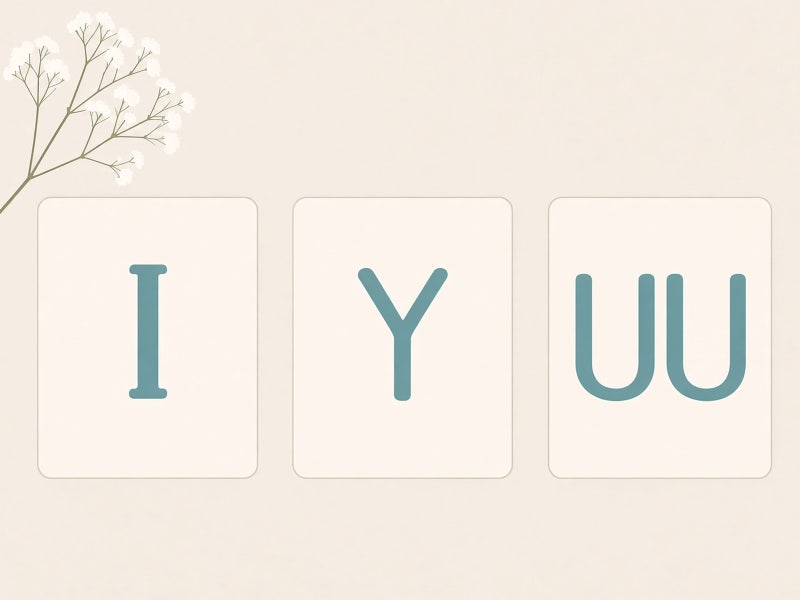
I-cleavage: When the breasts are pushed together in a bra, they meet in a straight line at the center. Pushing together a natural (non-augmented) breast of B cup or larger usually produces this shape. It is the most basic form.
Y-cleavage: The upper part of the cleavage splits apart, looking like the letter Y. This often occurs in slim patients with limited breast tissue, where a sub-muscular implant pushes against the pectoral muscle and the resulting shading becomes visible. In these cases, we choose an implant of sufficient width and supplement the area with fat grafting to the cleavage.
UU-cleavage: Each breast forms a U shape, leaving the center looking hollow. Because the breasts don’t meet in a straight line in the middle, the bust can actually look sagging. So if you’re asking for UU-cleavage, I’ll ask you to describe the exact shape you have in mind, since the same name can mean different things to different people.
In short, these letters are simply shorthand for the shape the breasts form when gathered while dressed.
3. What kind of breast shape do I aim for?
I don’t aim to artificially emphasize cleavage. The breast shape I pursue is softness that flows naturally from the rib cage into the breast. If I had to describe it, it is closest to an upside-down question mark, or an S-curve.
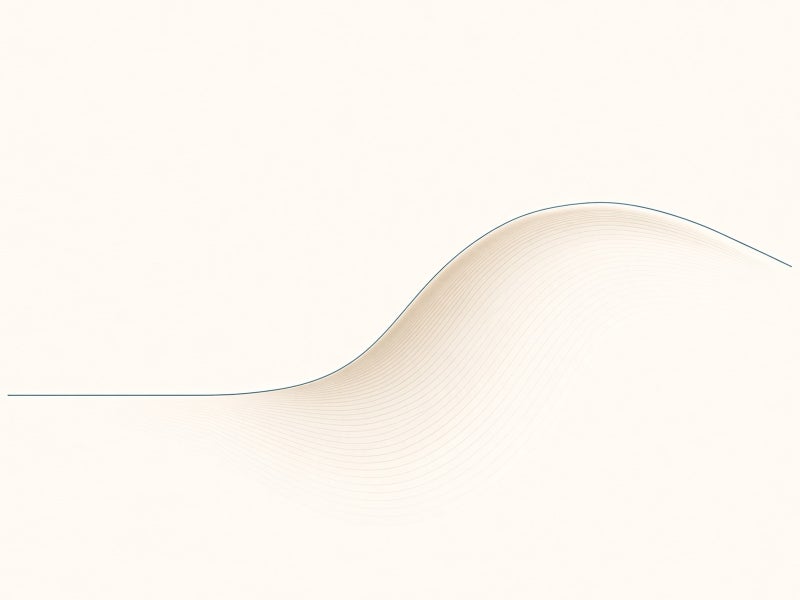
Starting from the armpit, the line dips slightly at the floating breast area, then curves broadly along the volume of the breast. Where it meets the rib cage, the boundary blurs so you can’t tell where the breast begins.
No matter how deep the cleavage is, if the outline of an implant stands out at the junction between the rib cage and the breast, it’s easy to tell that surgery was done. Conversely, when the boundary is soft, the cleavage naturally comes together into an I-shape when gathered in a bra.
Cleavage isn’t something you create. It reveals itself when soft breasts come together.
4. How is the boundary between the rib cage and breast softened?
It requires three steps working together.
First, we accurately measure the rib cage and choose an implant with a width that fits it.
Second, we add fat grafting alongside the implant to replenish the soft tissue at the boundary area (soft tissue such as the fat just beneath the skin). Some of the transferred fat can be absorbed, so how smooth the boundary becomes depends on how well the graft takes.
Third, we manage the recovery process so that the capsule settles properly.
Two things to remember about alphabet cleavage
First, alphabet cleavage describes the shape formed when the breasts are gathered in a bra. Without clothing, even a breast that hasn’t had surgery won’t form cleavage on its own.
Second, the naturalness of the transition from the rib cage to the breast matters more than the shape of the cleavage.
Things to check before surgery
1. Whether the doctor asks you to clarify if the cleavage you want is for when you’re dressed or undressed
2. Whether they explain what kind of cleavage is achievable based on your rib cage shape, breast volume, and skin elasticity
3. Whether they explain how they will handle the boundary between the rib cage and breast, not just the cleavage shape
A plastic surgeon who specializes in breast procedures looks at the line where the rib cage meets the breast first, rather than the alphabet label for the cleavage.
This article is written to provide accurate medical information and complies with Article 56 of Korea’s Medical Service Act.
All procedures and surgeries carry the possibility of side effects, both minor and major, depending on the individual. Please consult thoroughly with your medical team and make a careful decision.
Frequently Asked Questions
What do I-, Y-, and UU-cleavage each look like?
I-cleavage is when the two breasts meet in a straight line at the center. Y-cleavage is when the upper part of the cleavage splits open and looks like a Y. UU-cleavage is when each breast forms a U shape, leaving the center looking hollow. The letter names are a simple way to describe the shape the breasts make when gathered while dressed.
Does cleavage form naturally without a bra?
No. Even a breast that hasn’t had surgery won’t form cleavage on its own without clothing. A bra needs to push the volume on both sides toward the center for cleavage to appear, and the resulting shape depends on rib cage shape, breast volume, and skin elasticity.
How is the boundary between the rib cage and breast made smoother?
It takes three steps working together: accurately measuring the rib cage and choosing an implant of matching width, adding fat grafting to fill in the soft tissue at the boundary, and managing recovery so the capsule settles properly. Because some of the grafted fat can be absorbed, how smooth the boundary ends up depends on how well the graft takes.
What should I check during a pre-surgery cleavage consultation?
It’s worth checking three things: whether the doctor clarifies if the cleavage you want is for when you’re dressed or undressed, whether they explain what cleavage is achievable based on your rib cage shape, breast volume, and skin elasticity, and whether they explain how they will handle the boundary between the rib cage and breast.
What matters more than the cleavage shape?
The natural transition from the rib cage to the breast matters more. If the outline of an implant stands out at that junction, the surgery is easy to notice no matter how deep the cleavage is. When the boundary is soft, the cleavage naturally comes together into an I-shape when gathered in a bra.