2026-10-07
The 2 Criteria 8 Out of 10 People Miss When Reading Mentor Breast Augmentation Reviews
Mentor breast augmentation reviews often mislead. Learn the two criteria people overlook—body-specific surgical planning and objective facts over ad-driven praise—before deciding.
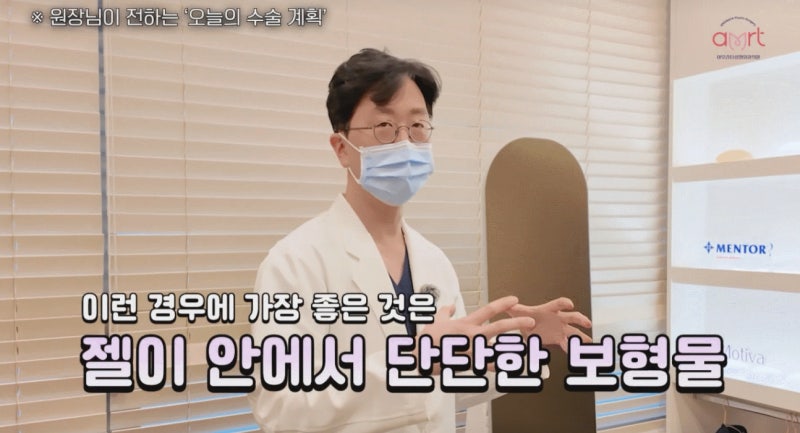
“I want to go with the safest, most proven Mentor implant... Should it be Smooth or Extra? Or Boost?”
If you’re reading this, you’ve probably spent the past weekend bouncing between plastic surgery apps and beauty forums, reading dozens or even hundreds of breast augmentation reviews.
You zoom in on flashy before-and-after photos and scroll through comment after comment, and before you know it, your eyes are dry and your head is more muddled than ever.
“Someone said Mentor Extra feels exactly like real breast tissue.”
“They say you have to go with Boost to avoid capsular contracture.”
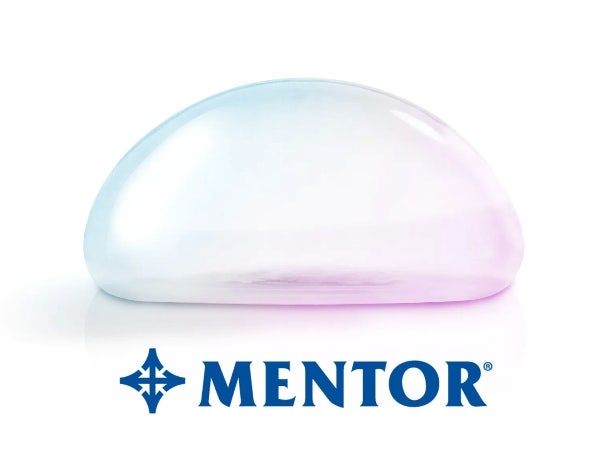
Since these implants will live inside your body for the rest of your life, it’s only natural to lean toward “Mentor,” the brand with the highest name recognition and a reputation for safety.
But the more you try to find the right answer in this flood of information, the more confused you may feel.
If you choose surgery just because a clinic is famous or because a procedure has a lot of reviews, you will almost certainly regret it.
Today, to help you avoid being swayed by advertising and to protect both your safety and your results, I’ll candidly share the two things you must check before breast augmentation, from the perspective of a practicing surgeon.
1. The Trap Behind Claims Like “We Specialize in Mentor Extra”


The first thing to keep in mind is that breast augmentation isn’t about picking off-the-rack clothing. It should be a fully tailored suit.
If you look up Mentor breast augmentation reviews, you’ll likely see posts like these:
“Dr. OOO handles Mentor implants better than anyone, so you should definitely go with this one.”
“This shape is trending right now, so I highly recommend it!”
If reviews like these have caught your eye, please think again.
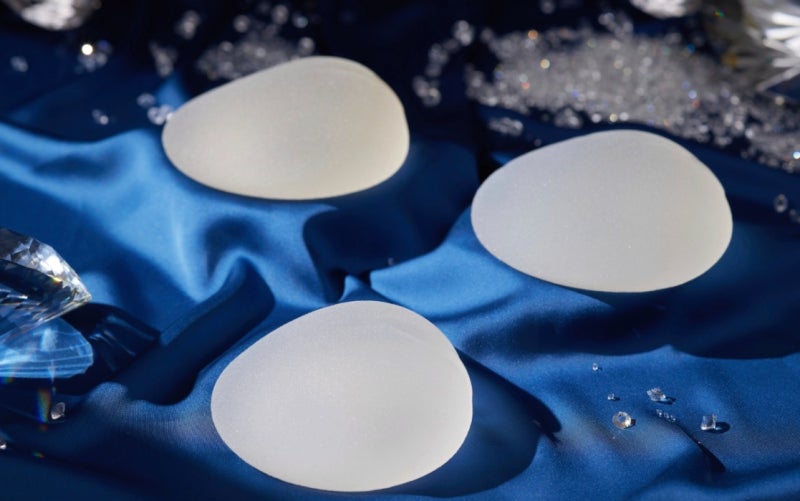
Why is that?
It’s because everyone’s chest wall size and shape, skin thickness, and amount of existing glandular breast tissue vary enormously.
Say your skin is thin and your chest wall is narrow, and you force in the large, full-looking implant a review recommended. What would happen?
The implant may become visible or palpable beneath the skin, a problem known as “rippling.” Or the breast may look unnaturally distorted when you move your muscles, a complication called “animation deformity.” The likelihood of side effects like these rises dramatically.
In the end, you could be facing the painful outcome of revision surgery.

So when comparing reviews, don’t just ask, “Which implant did they use?” Instead, ask, “How thoroughly did the surgeon analyze my body type, and did they choose an incision site and insertion method that suits it?”
Keep in mind that the reviewer’s conditions are not the same as yours.
2. “No Pain at All, and It Feels Amazing!” What Lies Behind Reviews That Only Offer Praise?

The second criterion is the “objectivity of reviews,” the very thing you’ve been poring over late at night.
Breast augmentation reviews online are so uniformly glowing that it’s almost surprising.
“It didn’t hurt at all from the day of surgery.”
“It feels just like my original breast.”
But speaking candidly from the perspective of a medical professional, a surgery that is 100% perfectly satisfying and entirely free of discomfort is hard to come by.
Breast augmentation is a fairly demanding procedure that involves dissecting body tissue and inserting an implant.
Naturally, swelling is expected for some time after surgery, and discomfort during recovery, such as a dull ache or tingling sensations, is unavoidable.
So if a review leaves out these downsides and recovery struggles and simply says everything was great, it may be less a genuine patient account and more an advertisement written in exchange for compensation. That possibility can’t be ruled out.
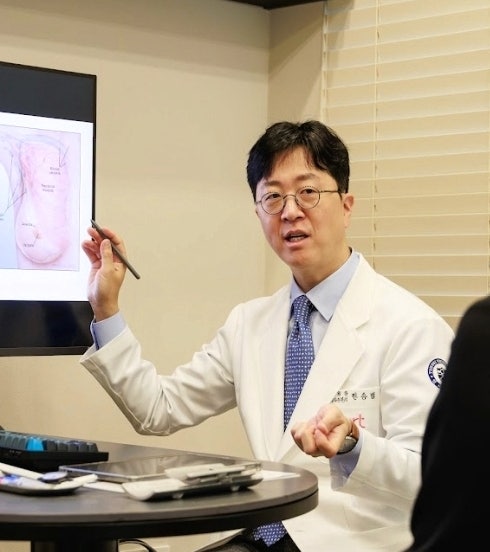
When reading reviews, filter out subjective expressions like “So pretty, the best!” Instead, it helps to gather information centered on objective facts, such as:
“What was the consultation process like?”
“How many days did the post-op pain last?”
“What equipment was used for aftercare, and how many sessions were done?”
One person’s subjective satisfaction doesn’t guarantee your own results.
The best clinic for someone else could be the worst for you, and vice versa.
Let me sum up.
For a successful mentor breast augmentation, first, analyze your body thoroughly and choose a tailored procedure. Second, don’t be swayed by ad-driven reviews full of praise; filter out the objective facts only.
Now, put down your smartphone and, based on objective information, visit two or three clinics in person.
Look your doctor in the eye and listen to a thorough assessment of your body type and an honest explanation.
Doing this will likely get you a more satisfying result than reading hundreds of online reviews.
<Related Articles You May Find Helpful>
Amorata Plastic Surgery |
Main Phone: 02-522-0955 28 Seoro-daero 78-gil, Seocho-gu, Seoul, Square Cube, 3rd Floor |
This post was written directly by Amorata Plastic Surgery in compliance with Article 56 of the Medical Service Act, for the purpose of providing accurate medical information.
All procedures and surgeries may cause side effects, big or small, depending on the individual, so please consult thoroughly with your medical team and make a careful decision.
Frequently Asked Questions
How should I read Mentor breast augmentation reviews?
The article recommends focusing on objective facts rather than subjective emotional expressions. For example, look at what the consultation process was like, how many days the post-op pain lasted, and what equipment was used for aftercare and how many sessions were done. Another person’s satisfaction does not guarantee your own results.
Can I trust breast augmentation reviews that only offer praise?
The article explains that reviews full of praise should be read with caution rather than taken at face value. No surgery is completely free of discomfort, and swelling or aching pain during recovery can be expected. Reviews that leave out all downsides and only say “it’s great” may be advertisements, and that possibility cannot be ruled out.
Is it enough to just check the implant type for breast augmentation?
The article says implant type alone is not sufficient. When comparing reviews, it’s important to consider how thoroughly the surgeon analyzed your body type and whether they chose an incision site and insertion method suited to it. Chest wall size, skin thickness, and the amount of glandular tissue differ from person to person, so remember that the reviewer’s conditions are not the same as yours.
What happens if I put a large implant in thin skin?
The article explains that forcing a large implant into thin skin and a narrow chest wall can significantly increase the risk of complications. Examples include rippling, where the implant is felt and visible through the skin, and animation deformity, where the breast shape distorts unnaturally with muscle movement. According to the article, these problems can lead to revision surgery.
How many clinics should I consult for breast augmentation?
The article recommends visiting two or three clinics in person for consultations. Meeting a doctor face to face, receiving a diagnosis of your body type, and hearing a clear explanation may be more helpful than reading hundreds of online reviews. It also advises making a careful decision, since side effects can occur depending on the individual.