2026-11-14
Mentor Breast Augmentation: Extra vs. Boost Comparison <Specialist Guide>
Compares Mentor Extra and Boost breast implants by gel cohesiveness, feel, upper-breast fullness, and rippling risk, with tips for choosing the right one for your body.


Hello.
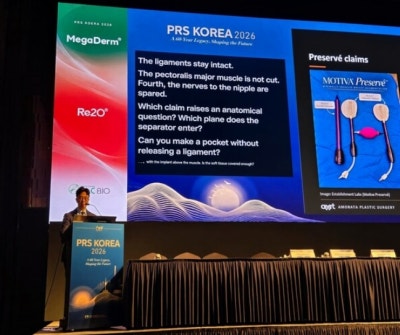
This is Dr. Han Seung-beom, Director of Amorata Plastic Surgery Clinic.
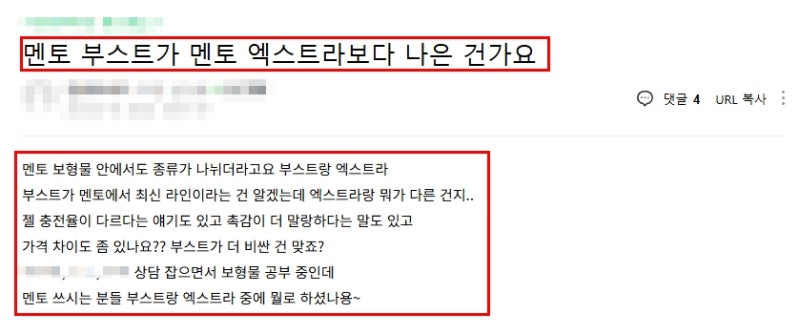
“I’ve decided to go with Mentor, but I don’t know whether to choose Extra or Boost.”
When preparing for breast augmentation, choosing an implant brand is usually the easy part. But once you find out that Mentor offers different lines even within the same brand, the worries start all over again.
“I heard Boost is the latest one, so isn’t it better?”
“But I also heard Boost feels firm. What if it feels too hard?”
Both sound appealing by name, and with so many reviews saying patients are satisfied, it only gets more confusing.
In truth, these two products are not a case of “better” versus “less good.” They are implants that pursue slightly different directions.
Today, I’ll compare the two implants one criterion at a time and walk you through how to judge which one suits your body.
1. Mentor Extra vs. Boost: What’s the Difference?

To understand the difference between the two, you first need to look at the properties of the silicone gel inside each implant. Gel properties are a key factor in feel, shape, and rippling. The gel’s fill level and the implant’s structure also come into play, which is why each product has its own characteristics.
① How tightly does the gel hold together?
Silicone gel is not a liquid that flows freely. It’s a gel that keeps its shape to a certain degree. How easily it deforms and how well it returns to its original shape depends on how the silicone polymers are linked together. This property is described using the term “cohesiveness.”
Think of the whipped cream you put on a cake. Cream that’s only lightly whipped is soft and spreads easily, but its shape collapses over time. Cream that’s whipped firmly holds its shape for a long time, to the point where it can stand in stiff peaks.
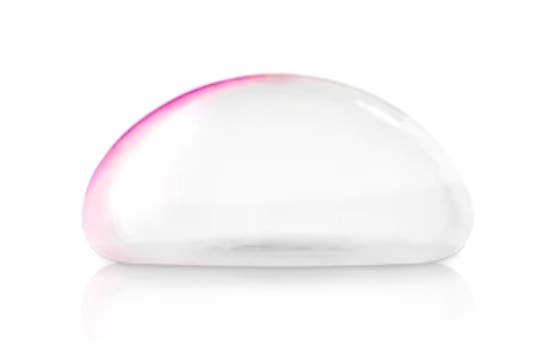
Extra is a product that packs a soft gel tightly inside the implant. Boost uses the same approach but with a gel that has even higher cohesiveness. To put it in terms of cream, Extra is like cream whipped to a soft texture, while Boost is like cream whipped a bit more firmly.
② How does it feel to the touch?
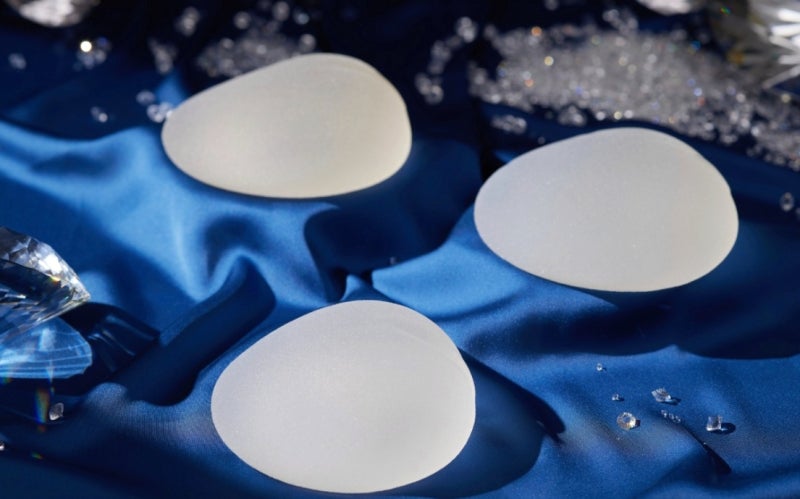
Because the gels have different properties, the feel differs as well. Extra emphasizes a relatively soft and pliable feel, while Boost is designed to keep its shape well even under external pressure.
“So is Boost firm?”
You don’t necessarily need to see it that way. Gels with higher cohesiveness generally resist deformation more, so they may feel relatively firm. That said, it doesn’t mean Boost will always feel hard.
The actual feel after surgery can also vary depending on the thickness of your natural breast tissue and the condition of the tissue covering the implant.

③ How is the upper breast fullness different?
When you stand, the gel inside the implant gradually settles downward due to gravity. How much the gel holds its shape determines how full the upper breast looks.
Because Boost’s gel flows less, its upper breast line tends to be relatively well maintained even when standing or sitting. Extra, on the other hand, tends to create a line that naturally slopes downward.
It’s hard to say one is better than the other. If you want the upper breast to look clearly full when wearing clothes, Boost may suit you. If you prefer a natural, sloping line like your own breasts, Extra may be a better fit.
④ How likely is rippling?
Rippling refers to the wrinkles on the implant’s surface being visible through the skin or felt when touched.
Both products are filled tightly with gel, so they are designed to produce fewer wrinkles than older implants. However, the less the gel flows, the less the implant folds. In terms of rippling, Boost has a slight advantage.
Here’s a quick summary:
| Extra | Boost |
Gel properties | Soft gel | Gel with higher cohesiveness |
Feel | Soft and pliable | Firm, springy elasticity |
Upper breast | Naturally sloping line | Better at maintaining upper volume |
Rippling | Both products reduce rippling, but Boost has a slight edge | |
2. So which one is better?
Since Boost came out later, many people think of it as an “upgraded version.”
As we saw earlier, the two products have pros and cons that are essentially reversed. Raising cohesiveness helps with shape retention and rippling, but it means giving up some of that soft, pliable feel.
In other words, Boost is less a “better Extra” and more an implant that has taken a different direction.
So how should you choose?

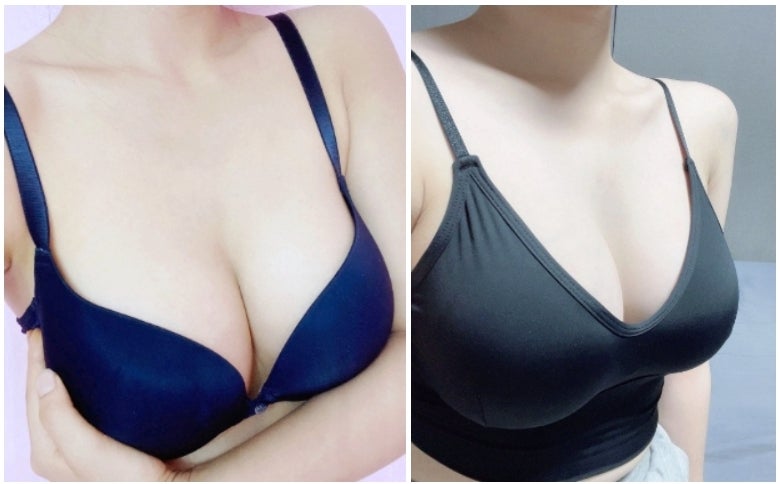
Check these three points first.
1) Is your skin and breast tissue on the thick side?
The thinner the tissue covering the implant, the more the implant’s properties show through. If you are slim or have little natural breast tissue, the risk of wrinkles becoming visible rises, so Boost, which holds its shape well, may be the better option.
Conversely, if you have sufficient tissue, rippling isn’t a major concern even with Extra, so you can choose to prioritize its soft feel.

2) What kind of line do you want?
The right direction depends on whether you want the upper breast to look clearly filled out when wearing clothes, or prefer a natural line that looks like your own breasts without being noticeable.

3) Which matters more: feel or shape?
It’s completely understandable to want to give up neither. Both products offer a solid level of feel and shape, but if you do have to prioritize one, deciding which comes first will make the choice much easier.
To sum up, rather than one being superior, the right choice depends on your skin and breast tissue thickness, the line you want, and whether feel or shape is your priority.
Please consult thoroughly with your medical team based on your own body’s conditions before making a decision.
<Related Columns You May Find Helpful>
Amorata Plastic Surgery Clinic |
Main phone: 02-522-0955 28 Seocho-daero 78-gil, Seocho-gu, Seoul, Square Cube, 3rd Floor |
This post was written directly by Amorata Plastic Surgery Clinic in compliance with Article 56 of the Medical Service Act, for the purpose of providing accurate medical information.
All procedures and surgeries may cause minor or major side effects depending on the individual, so please consult thoroughly with your medical team and make a careful decision.
Frequently Asked Questions
What is the biggest difference between Mentor Extra and Boost?
The two products are not ranked against each other; they pursue different directions. Extra is filled tightly with a soft gel, while Boost uses a gel with enhanced cohesiveness and is designed to hold its shape well even under external pressure.
Does Boost feel firmer than Extra?
It can’t be said that Boost always feels firm. Gels with higher cohesiveness resist deformation more and may feel relatively firm, but the actual feel can also vary depending on the thickness of your breast tissue and the condition of the tissue covering the implant.
Which product better maintains the upper breast line when standing?
Boost tends to maintain the upper breast line relatively well, even when standing or sitting. Extra tends to create a line that naturally slopes downward. The article notes that it’s hard to say one is definitively better than the other.
Which is more favorable for rippling, Extra or Boost?
In terms of rippling, Boost has a slight advantage. Both products are filled tightly with gel to produce fewer wrinkles than older implants, and the less the gel flows, the less the implant folds.
What should I check first when choosing an implant?
It’s best to check three criteria first: whether your skin and breast tissue are on the thick side, what upper breast line you want, and whether feel or shape is your priority. The thinner the tissue covering the implant, the more its properties show through, which can heighten rippling concerns.
How should I decide on an implant?
Since neither product is clearly superior, it’s best to consult thoroughly with your medical team based on your body’s conditions before deciding. The article also advises a careful decision, as all procedures and surgeries may cause minor or major side effects depending on the individual.