2026-11-13
Looking for a Well-Known Breast Augmentation Clinic? 3 Criteria to Check Before the Clinic Name
Before choosing a breast augmentation clinic based on reputation, check three criteria: the surgeon's personalized assessment, daily surgery volume, and aftercare system.
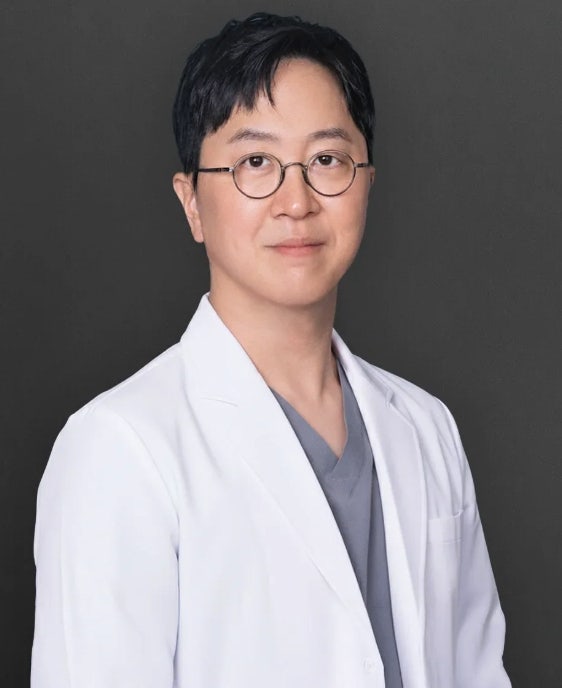
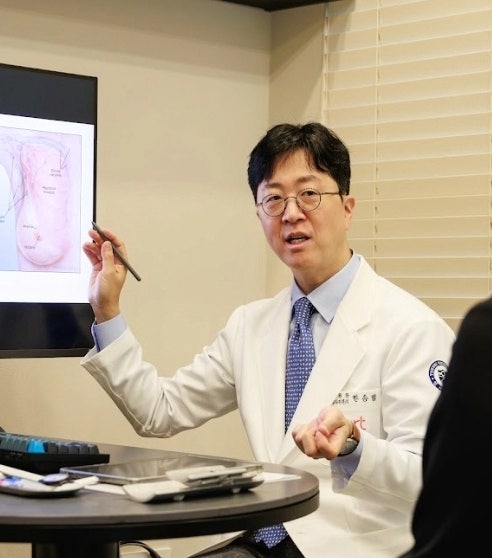
Portrait of a doctor in a white coat and round glasses.
If you browse plastic surgery info apps or online communities, you’re bound to come across eye-catching before-and-after photos of breast augmentation. People instinctively ask, “Which clinic is this?” You’ve probably left a comment asking for a well-known breast augmentation clinic at least once.
Fame and glowing reviews are certainly appealing. But it’s not uncommon for people to choose a clinic based solely on its reputation, only to be dissatisfied with the result and end up wasting more than 10 million won on revision surgery.
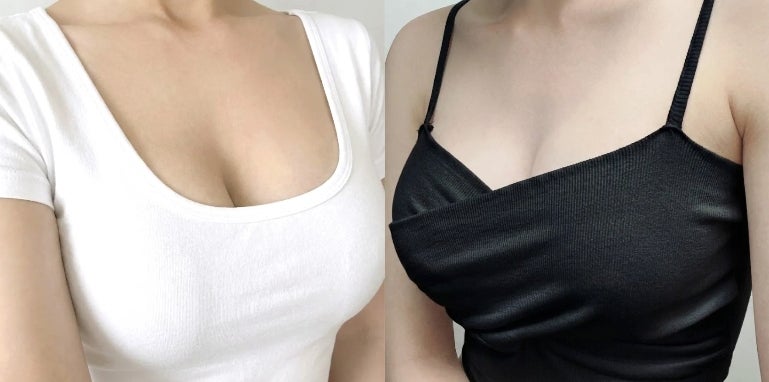
Over the past 20 years, I’ve conducted breast augmentation consultations with more than 10,000 patients, and I’ve seen many who expressed regret. Hoping that readers of this article will not have the same regrets, I sat down at my computer to write today. From here, I want to walk you through three core criteria that you should dig into far more thoroughly than the clinic’s name in order to get a successful result.
1. Consultation is not a time to compare prices.
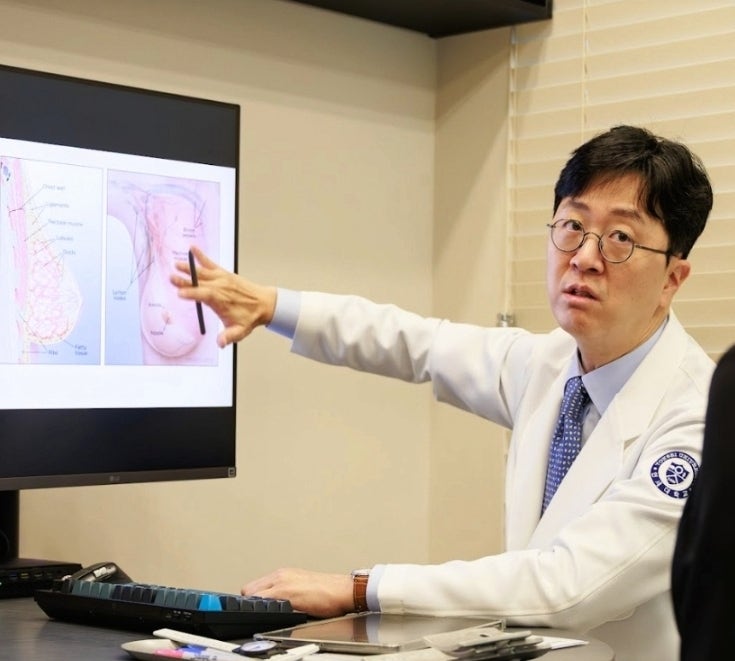
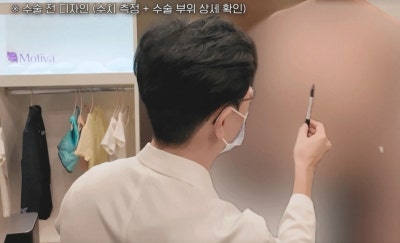
The first thing to check is “who examines my body, and how?” When you have clothes made, a tailor takes careful measurements. Shouldn’t breast augmentation, which will stay with you for life, receive the same level of care?
Unfortunately, some people only choose a size they like during consultation and compare prices. But the success of breast augmentation is determined more than 90% during the consultation before surgery. A human body is not a mannequin. Each patient’s rib cage can differ in shape, such as a pigeon chest or a funnel chest, and the height of the skeletal structure on each side may also be uneven.

Skin thickness is especially important. If a large implant is placed in a patient with thin skin without consideration, complications can occur, such as the implant showing through the skin or its edges being felt by touch.
That’s why the surgeon who performs the operation needs to personally check the degree of skin elasticity, any skeletal asymmetry, and overall body shape. This is the reason I spend more than 30 minutes on consultations alone. Be sure to check whether the clinic offers a “personalized solution” that fits the specific characteristics of your body.
2. Have you checked how many surgeries a doctor performs in a day?
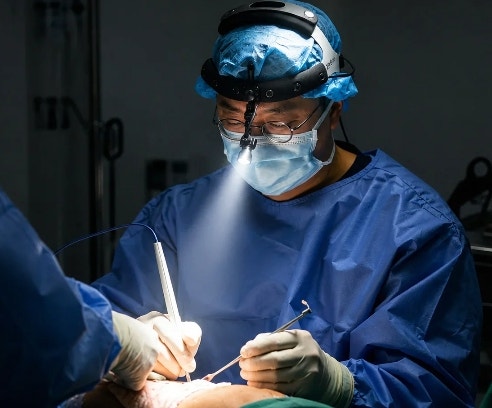
The second point is something many people don’t know much about: how many surgeries the doctor performs in a single day. Even if you have a flawless plan from the consultation, carrying it out accurately in the operating room ultimately depends on the surgeon’s stamina and focus.
Breast augmentation is a highly precise procedure in which the pocket for the implant must be created without even a 1 mm margin of error. In particular, fine blood vessels must be meticulously stopped from bleeding while viewing through an endoscope. Only then can you prevent bleeding or severe swelling after surgery and expect a quick recovery.

Now, what if a single surgeon handles four to five surgeries a day, pushing through a heavy schedule? Even a surgeon with outstanding skill is still human. By the afternoon, their stamina runs low and their focus inevitably drops. When fatigue builds up, the risk of missing even minor bleeding or fine details grows.
That’s why it’s so important to ask whether the surgeon who will perform your operation is in “peak condition” and works in an environment where they can devote their full energy to you alone. For patient safety and a highly refined result, be sure to check whether the clinic strictly limits and manages the number of surgeries performed each day.
3. Surgery alone isn’t the end.
The last thing to look at is the “postoperative care system.” Breast augmentation doesn’t end when you walk out of the operating room. In a sense, that’s when the surgery truly continues and truly begins. Without systematic care, the feel of the implant or the shape of the breast may fall short of expectations. That’s why detailed care tailored to your body’s changes at each stage is essential.
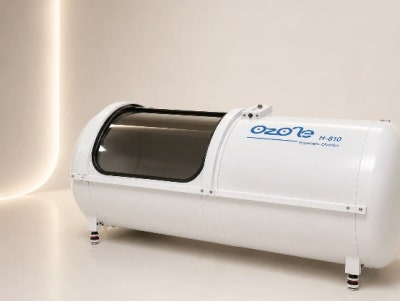
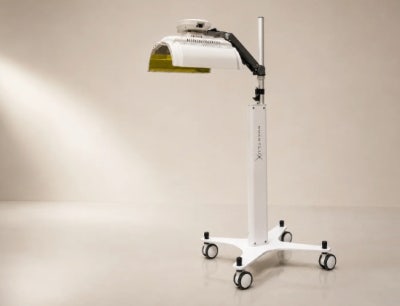
For example, in the early stage, the priority is controlling swelling and pain right after surgery. At this time, the director should personally monitor your progress and carefully fit compression garments to your body. In addition, hyperbaric oxygen therapy can support the engraftment and oxygen supply of transplanted fat or tissue, and Smartlux LED light therapy can help promote faster reduction of swelling.
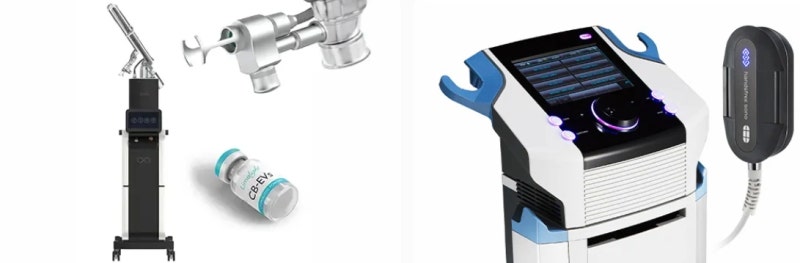
Next, during the tissue stabilization phase, the implant settles in as a part of your body, so this is another important period. Equipment such as Capsulitis is used to prevent the capsule around the implant from hardening. Treatments that soften the feel of the implant, along with wound regeneration care such as U-Pulse laser or exosome therapy, are helpful for speeding up recovery at the incision site.
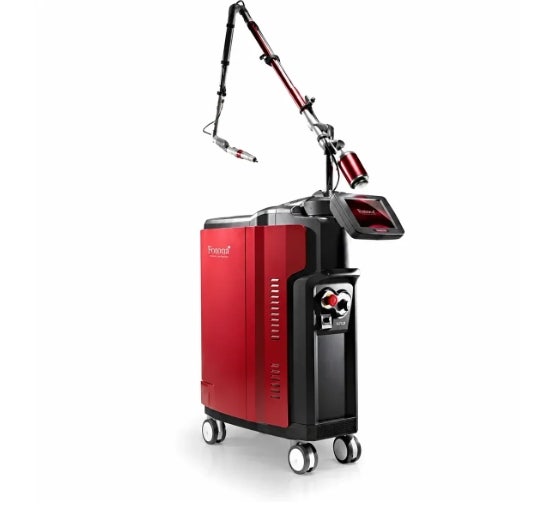
Finally, as scars begin to fade, it’s good to manage pigmentation using treatments such as Tri-Beam toning. Be sure to check whether this kind of comprehensive postoperative care is provided.
If you’re looking for a well-known breast augmentation clinic, please keep the three criteria I discussed today in mind.
1) Personalized assessment by the operating surgeon
2) Limits on the number of surgeries per day
3) A postoperative care system
When these three elements come together, you can achieve a natural and safe transformation.
<Related Columns You May Find Helpful>
Amorata Plastic Surgery Clinic |
Main Phone: 02-522-0955 28 Seoro-daero 78-gil, Seocho-gu, Seoul, Square Cube, 3rd Floor |
This post was written directly by Amorata Plastic Surgery Clinic to provide accurate medical information, in compliance with Article 56 of the Medical Service Act.
All procedures and surgeries may cause minor or major side effects depending on the individual. Please consult thoroughly with your medical team and make a careful decision.
Frequently Asked Questions
What should I check first when choosing a breast augmentation clinic?
The first thing to check is who examines your body during consultation and how they do it. Rather than focusing mainly on price, the clinic advises confirming whether the surgeon who will perform the operation personally examines your individual body condition, including skin thickness, rib cage shape, and skeletal asymmetry.
Does the number of surgeries per day matter when choosing a clinic?
Yes. The article explains that it’s worth checking whether the clinic limits and manages the number of surgeries a surgeon performs in one day. It notes that if a surgeon handles four to five operations a day, fatigue can build up and increase the risk of missing minor bleeding or fine details.
What should I check in postoperative care?
It’s best to confirm that the clinic has a postoperative care system tailored to the changes in your body at each stage. Right after surgery, the focus is on managing swelling and pain; during the tissue stabilization phase, on capsule and tactile care; and as scars fade, on managing pigmentation. Make sure these are all included.
Can postoperative care affect the feel and shape of the implant?
Yes, it can. The article explains that without systematic care, the feel of the implant or the shape of the breast may fall short of expectations.
Can breast augmentation surgery cause side effects?
Yes. All procedures and surgeries can cause minor or major side effects depending on the individual. The article advises discussing the procedure thoroughly with your medical team and making a careful decision.