2026-11-09
Looking for a Breast Revision Clinic? Read This If You Don't Want to Lose 10 Million Won or More
A guide to choosing a breast revision surgery clinic: find out why the first surgery went wrong and check the clinic's safety systems from anesthesia to recovery.
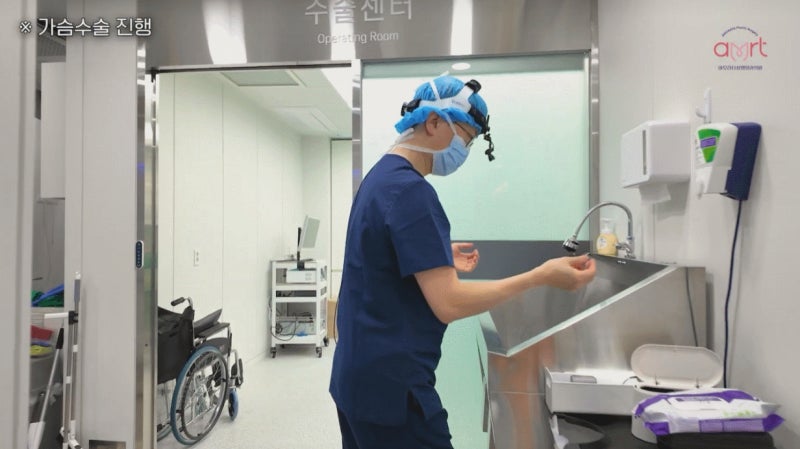
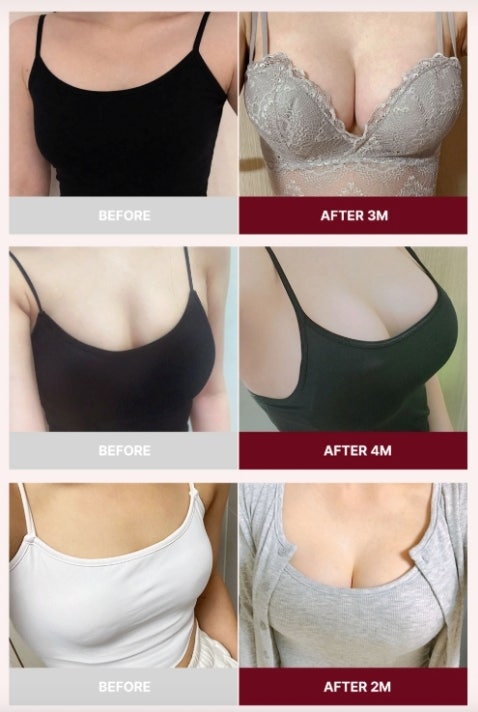
"I really hope this is the last time. What if something goes wrong again?"
If you are looking for a breast revision surgery clinic,
you are probably feeling something like this.
Even before deciding on your first cosmetic surgery,
you likely spent a long time weighing your options.
Which implant would be best,
what size would suit you,
and whether the scarring and recovery would be manageable.
You made that decision very carefully, but...
maybe the shape doesn't look right,
the breasts feel hard and cause pain,
or the asymmetry is noticeable.
It's no wonder you feel so upset.
On top of that, revision surgery
costs more than the first time.
Having to go through surgery and recovery all over again
also brings a heavy psychological burden.
That's why many people make this kind of decision:
"This time, I'll forget about the cost
and go to the most famous clinic I can find."
Unfortunately,
choosing an expensive or famous clinic
does not guarantee success.
You may have chosen carefully the first time,
but many people end up with unexpected results
more often than you might think.
To avoid losing several million to tens of millions of won again,
there is something you should check first,
rather than the clinic's reputation or price.
Today, I'll go over two key points
to help you understand.
1. Start by properly identifying why the first surgery went wrong
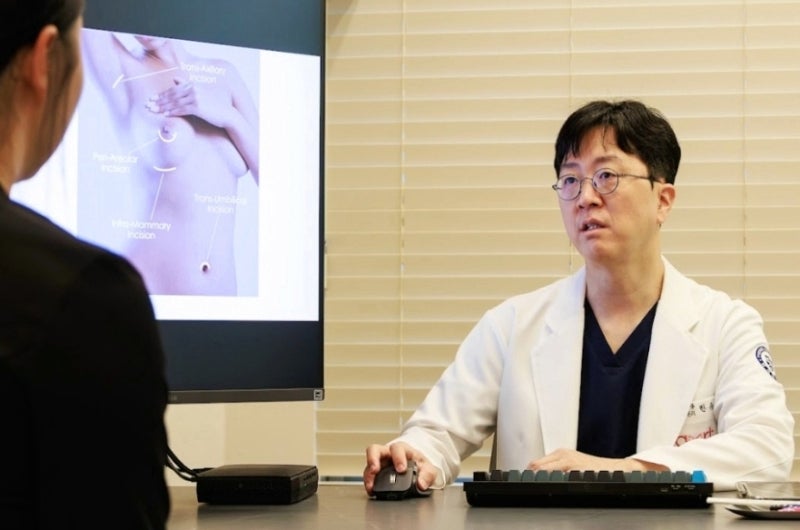
① Before thinking about "how you want to change,"
"why it turned out this way" comes first.
When you go to a clinic for a consultation,
most people start by describing the result they want.
"It's too hard right now, so please make me a soft, full C-cup."
Knowing exactly what direction you want
is certainly important.
But in revision surgery, the first thing to address
is not "going forward" but "what has happened so far."
The reasons your first result
didn't turn out the way you hoped
can be more varied than you might think.
Chose an implant that was too large for the chest wall, or one with the wrong width |
The implant placement (plane) did not suit the body type |
The implant pocket was made too large, and the implant shifted downward or sideways |
Fat grafts did not survive well and the volume shrank quickly |
The capsule around the implant thickened and tightened, causing capsular contracture |
If the causes are different,
the solutions are completely different too.
For example, if the problem was the implant shifting sideways,
simply replacing the implant won't solve it,
and the enlarged space will need to be tightened again.
If capsular contracture is the cause,
the key is how to handle the hardened capsule
along with replacing the implant.
If you simply swap in a "better" implant
without knowing the cause,
the same problem can happen again.
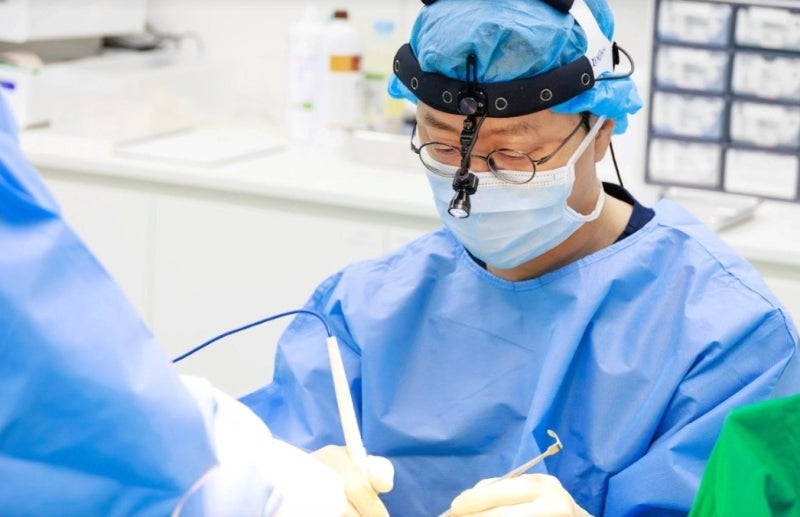
② Revision surgery starts from different conditions than the first
A breast that has already undergone surgery
is not in its original state.
Scar tissue forms,
a capsule settles around the implant,
and the skin may stretch or become thinner.
Think of a shirt with one button fastened wrong.
It's easier to understand that way.
Just re-buttoning the lower buttons
won't fix how the shirt sits.
You have to find where it first went wrong
and re-button from the very first one
for it to be set right.
Revision surgery works the same way.
You need to first accurately assess and organize
the changes left by the first procedure.
Only then can you reliably build a new result on top of it.
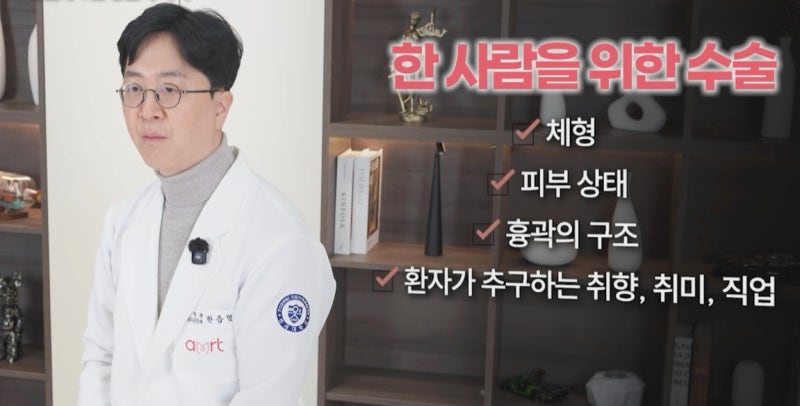
③ So check whether the consultation covers these points
To identify the cause,
you need information about your previous surgery.
When and by what method it was performed,
where the incision was made and where the implant was placed (plane),
which implant was used and how many cc,
and when changes began to appear after surgery.
An examination such as ultrasound
that directly checks the current condition of the implant, capsule, and surrounding tissue
is also needed to narrow down the cause accurately.
If you organize your previous surgery information
before the consultation,
you can receive a much more specific diagnosis.
2. A safety system is essential.
Revision surgery is
inevitably more difficult than the first surgery.
It requires re-dissecting tissue that has already adhered,
removing the capsule if necessary,
and reshaping a space that has already been altered.
That's why bleeding and tissue damage
must be managed with greater care.
So, in addition to the medical team's experience and reviews,
be sure to look into how much they prioritize safety.

① Do they draw the line on unreasonable requests?
Many people who decide to undergo revision surgery
often say, "This time, please make them definitely bigger."
But breasts that have undergone surgery
often have stretched or thinned skin,
and their tissue support is often weaker than before.
If you forcibly increase the size in this condition,
the tissue may not be able to support the weight of the implant,
causing sagging again,
or the implant edges may become visible,
creating new problems.
Not agreeing to the size you want
does not mean a lack of skill.
"Given the current condition of your tissue,
anything larger than this size
will be difficult to sustain in the long term."
Whether the surgeon honestly explains the limits of your body like this
may actually be the most important standard
for preventing a third surgery.
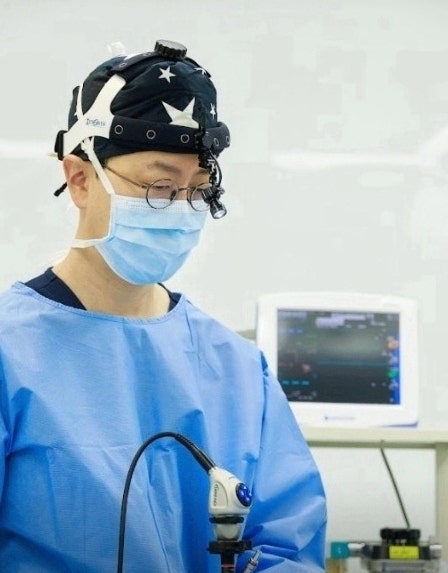
② Are anesthesia and recovery managed safely?
Revision surgery can take longer than the first,
so anesthesia management is also important.
Check whether there is a dedicated staff member monitoring blood pressure, heart rate, and oxygen saturation during surgery,
and whether the process of waking from anesthesia,
along with bleeding and pain, is sufficiently checked in the recovery room.
These steps are not easy to see from the outside,
but they are safety measures that catch small warning signs early
and prevent them from escalating into major problems.
Breast revision surgery is more costly,
and the physical and emotional burden is greater than the first time.
That's why you should never decide
based solely on a clinic's reputation or price.
If you want this to be your last surgery,
be sure to check the two points I covered today.
If you can get specific answers to these,
you can avoid repeating the same mistakes
and take one step closer to making this choice your last.
<Related Column You May Find Helpful>
Amorata Plastic Surgery |
Main Phone: 02-522-0955 28, Seoro-daero 78-gil, Seocho-gu, Seoul, Square Cube, 3rd Floor |
This post was written to provide accurate medical information
and was directly authored by Amorata Plastic Surgery in compliance with Article 56 of the Medical Service Act.
All procedures and surgeries may carry side effects of varying size depending on the individual,
so please consult thoroughly with your medical team
and make a careful decision.
Frequently Asked Questions
Is breast revision surgery more expensive and burdensome than the first surgery?
Yes. Revision surgery costs more than the first surgery, and it also brings the psychological pressure of going through surgery and recovery again. The article explains that in revision surgery, identifying the past causes comes before deciding on the future direction.
What are the causes of failure in breast revision surgery?
There are several reasons the first result may not have turned out as hoped, including an implant that does not fit the chest wall and an implant placed in a position that does not suit the body type. Other causes include an enlarged implant pocket that allowed the implant to shift downward or sideways, insufficient fat graft survival, and capsular contracture caused by a tightening capsule.
What information should I organize before revision surgery?
It helps to organize information about your previous surgery, including when and how it was performed, the incision site, the implant placement plane, the implant type and volume in cc, and when changes first appeared after surgery. During consultation, an examination such as ultrasound that directly checks the implant, capsule, and surrounding tissue can also help narrow down the cause.
What should I check when choosing a revision surgery clinic?
Check whether the clinic draws a clear line on unreasonable requests and honestly explains the limits of your body, and whether anesthesia and recovery are managed safely. It is also worth checking whether the clinic explains how it will identify the cause of your previous surgery during consultation.
Why is anesthesia management important in revision surgery?
Revision surgery can take longer than the first, so anesthesia management is especially important. Check whether a dedicated staff member monitors blood pressure, heart rate, and oxygen saturation during surgery, and whether bleeding and pain are sufficiently checked in the recovery room as the patient wakes from anesthesia.
Will revision surgery succeed if I choose an expensive or famous clinic?
No. Choosing an expensive or famous clinic does not guarantee success. The article notes that many people who chose carefully the first time still ended up with unexpected results.