2026-10-20
Gangnam Breast Plastic Surgery: 3 Key Questions to Ask at Your Consultation
A guide to the three key questions to ask at a Gangnam breast augmentation consultation: why the approach suits your body, how safety is managed, and how aftercare is provided.

Once you decide to undergo breast augmentation, one of the first worries that comes to mind is:
“Where should I have the surgery done?”
It’s a decision that comes with a considerable cost and a real physical burden, so it’s only natural to want a clinic that delivers satisfying results and is also safe.

But once you’ve booked a consultation, another worry tends to pop up.
“What should I ask at the consultation?” “Will I come across as a nuisance if I ask too many questions?”
As a result, quite a few people simply listen to the director’s explanation, nod along, and leave without asking anything.
However, the outcome of breast augmentation begins to take shape right from the consultation room.
Just as a sturdy building depends on a solid blueprint, the information exchanged during your consultation determines the quality of your surgical plan.
That’s why today, I’d like to walk you through three questions you should absolutely ask during your consultation.
Question 1: “Why is this method the right one for my body type?”
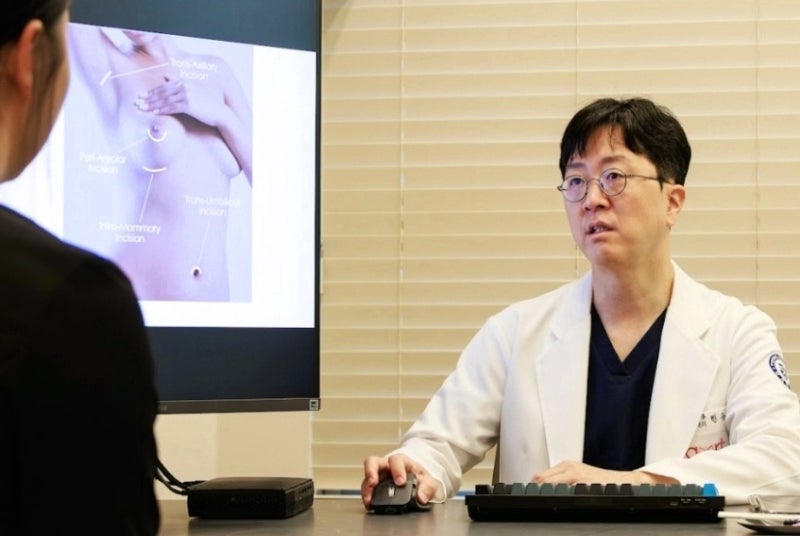
This is the first question you should definitely ask.
Breast augmentation involves more decisions than you might expect, from implant size and incision placement to the plane where the implant is positioned.
What matters most is not just “what” procedure is being done, but having it explained “why” that particular approach was chosen.
There’s a good reason for this. Even with the same implant, the results can look completely different depending on your chest wall width, the thickness of your skin and fat layers, and the amount of existing breast tissue.
For example, if someone with thin skin chooses a large implant, the edges may show through. If someone with a narrow chest wall chooses a wide implant, it may drift toward the sides.
Your occupation and lifestyle also need to be taken into account.
Whether your work involves heavy use of your arms, whether you enjoy exercise, or whether you need to return to your daily routine quickly can all change which incision method and surgical approach are most suitable.

So during your consultation, it’s a good idea to ask something like this:
“Why is this particular size and this particular method right for my body?”
If the clinic answers this question with specific reasoning based on your body’s conditions, it means the design is being tailored to you rather than following a one-size-fits-all approach.
Please don’t feel hesitant about asking questions. Actively asking is the first step toward achieving the results you’re hoping for.
Question 2: “How is safety managed?”
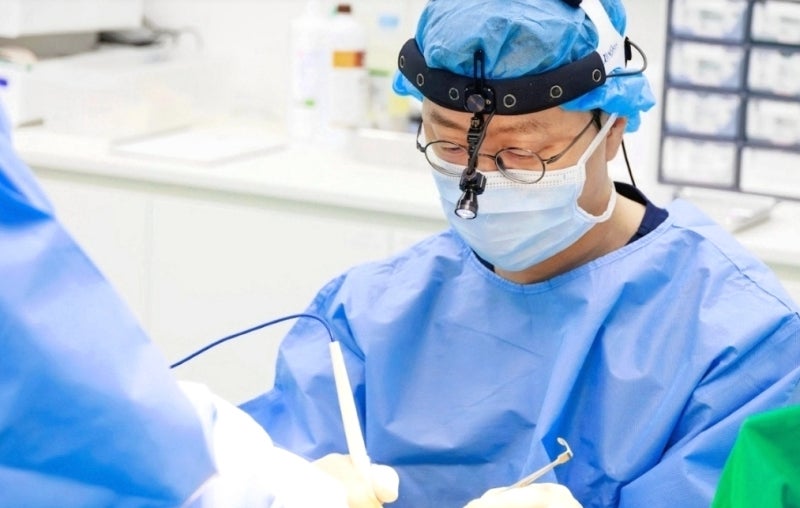
The second question concerns safety.
“Aren’t all clinics safe these days?”
Many people think this way, but breast augmentation requires general anesthesia and involves placing an implant inside the body. That’s why it’s essential to check the safety systems in place just as carefully as you would check the results.
1) Whether your physical condition is thoroughly evaluated before surgery
Even if you look healthy on the outside, there may be risk factors hidden beneath the surface that you aren’t aware of.
From basic tests like blood work and electrocardiograms to your medical history and current medications, a thorough review is needed to determine whether your body can safely withstand anesthesia.
2) Who monitors the anesthesia during surgery
During general anesthesia, blood pressure, heart rate, and oxygen saturation must be monitored closely, without missing a single moment.
It’s not realistic for the operating surgeon to also keep a close eye on the anesthetic state while performing the procedure.
That’s why it’s worth confirming whether a board-certified anesthesiologist is on-site and dedicated solely to anesthesia care, and whether the clinic has staff who can respond immediately in an emergency, along with equipment such as a defibrillator.

3) Whether the implant is handled so that it never comes into contact with the skin
This may sound a little unfamiliar, but it’s an important point.
During implant insertion, contact between the implant and bacteria on the skin’s surface can lead to the formation of a biofilm around the implant. This is considered one of the causes of capsular contracture.
Also, be sure to check whether the clinic uses a single-use funnel.
Because it’s discarded after a single use, you can have greater peace of mind about the risk of cross-contamination.
Question 3: “How do you manage aftercare after surgery?”
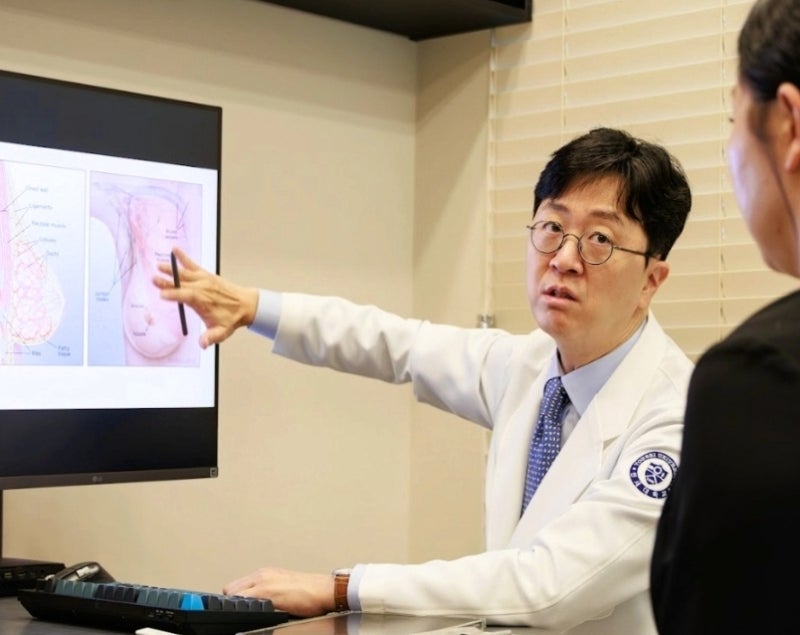
The final question is about aftercare.
“Isn’t it enough as long as the surgery goes well?”
Not quite. It takes several months for an implant to settle naturally into your body, and how you care for yourself during this period affects the final shape and feel.
It’s much like planting a seed: the timing and amount of watering determine how the flower eventually blooms.
So it’s helpful to check whether the following aftercare is provided.
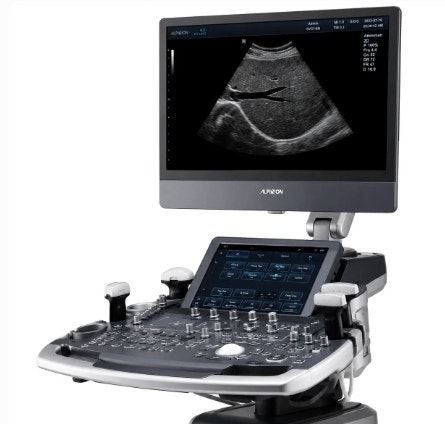
1) Whether regular ultrasound exams are provided
Changes such as fluid collecting around the implant or the capsule thickening are not easily noticeable from the outside in the early stages.
Checking the internal condition regularly with ultrasound makes it possible to detect these changes early and respond quickly.
In fact, the U.S. FDA also recommends that people with silicone implants undergo regular screening with ultrasound or MRI, even when they have no symptoms.
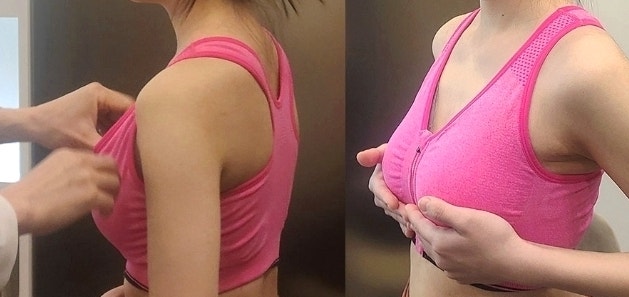
2) Whether you are systematically guided on wearing a compression bra
Until a capsule forms around the implant and holds it in place, the implant may still have room to move.
During this period, you need clear guidance on when and how long to wear a compression bra so the implant can settle steadily in the desired position.
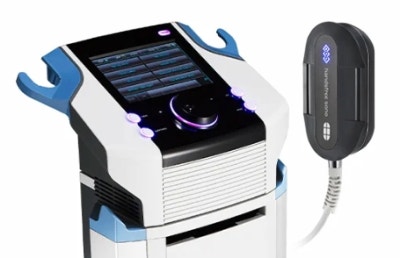
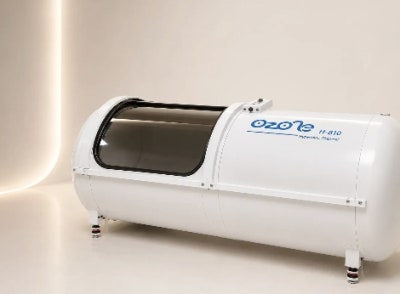
3) Whether there is a recovery support program
In the early stage after surgery, hyperbaric oxygen therapy can raise oxygen levels in the blood, which helps bruising and swelling subside. Afterward, combining care that keeps the capsule soft with other measures can help maintain a natural feel to the touch.
So don’t stop at asking about the surgery itself. Make sure to ask whether your recovery is planned step by step, rather than treating surgery as a one-and-done event.
Ultimately, a breast augmentation consultation is not just a place to listen to explanations.
It’s where you personally confirm whether the plan suits your body, whether the procedure will be carried out safely, and whether you will receive care all the way through.
Please remember the three questions I’ve shared today.
1) Why is this method the right one for my body type?
2) How is safety managed during surgery?
3) How do you manage aftercare after surgery?
If the clinic answers these questions with specific reasoning and sincerity, you can make your decision with greater peace of mind.
Since this is a choice for your precious body, I hope you’ll take the time to ask plenty of questions and compare your options carefully.
<Recommended Reading>
Amorata Plastic Surgery Clinic |
Main phone: 02-522-0955 28, Seoro-daero 78-gil, Seocho-gu, Seoul, Square Cube, 3rd Floor |
This post was written directly by Amorata Plastic Surgery Clinic in compliance with Article 56 of the Medical Service Act, for the purpose of providing accurate medical information.
All procedures and surgeries carry the possibility of side effects, ranging from minor to serious, depending on the individual. Please make a careful decision after thorough consultation with your medical team.
Frequently Asked Questions
What questions should I ask at a breast augmentation consultation?
It’s a good idea to ask about three things: why the approach suits your body type, how safety is managed, and how aftercare is handled. Don’t feel hesitant about asking. Check whether the clinic gives specific answers based on your body’s conditions.
Why should I ask whether a method suits my body type?
Even with the same implant, the results can vary depending on chest wall width, the thickness of skin and fat layers, and the amount of existing breast tissue. That’s why you need an explanation of why a particular method is right for you. With thin skin, a large implant may show its edges, and with a narrow chest wall, a wide implant may shift to the sides.
What tests should I check before breast augmentation surgery?
It’s a good idea to thoroughly review basic tests such as blood work and electrocardiograms, along with your medical history and current medications. This helps determine whether your body can safely tolerate anesthesia.
Who manages anesthesia during breast augmentation surgery?
Check whether a board-certified anesthesiologist is on-site and dedicated to anesthesia. Since it’s not realistic for the surgeon to monitor both the surgery and the anesthetic state at once, it’s also wise to confirm that the clinic has staff who can respond to emergencies, along with equipment such as a defibrillator.
Why should I check whether a single-use funnel is used in breast augmentation?
Confirming the use of a single-use funnel can ease concerns about cross-contamination. If the implant comes into contact with bacteria on the skin’s surface during insertion, a biofilm can form around it, and this is considered one of the causes of capsular contracture.
Why is regular ultrasound screening important after surgery?
Changes such as fluid buildup or a thickening capsule are not easily visible from the outside in the early stages, so regular ultrasound exams help check the internal condition. The U.S. FDA also recommends regular screening with ultrasound or MRI for people with silicone implants, even when they have no symptoms.