2026-11-06
Famous Gangnam Breast Augmentation Clinics: 2 Things to Check Beyond Reputation
Choosing a famous breast augmentation clinic in Gangnam? Reputation alone doesn't guarantee a result that suits your body. Check whether the doctor explains why a method suits you and how they address pain, safety, and recovery.
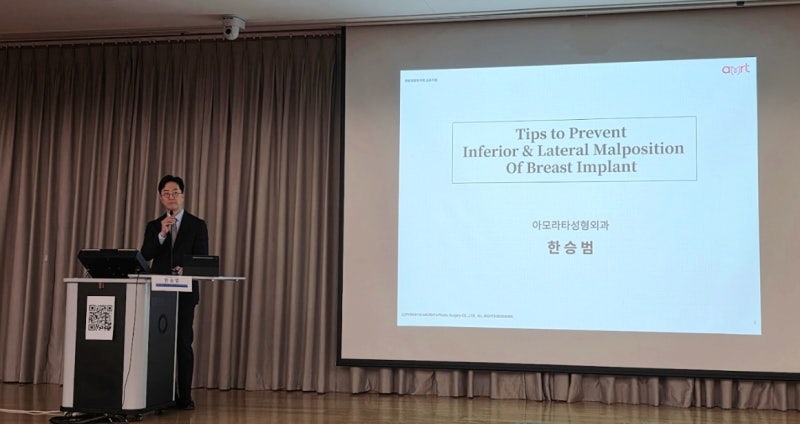
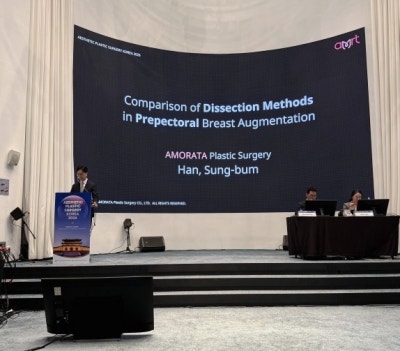
Han Sung-bum of AMORATA Plastic Surgery presents a comparison of dissection methods in prepectoral breast augmentation.
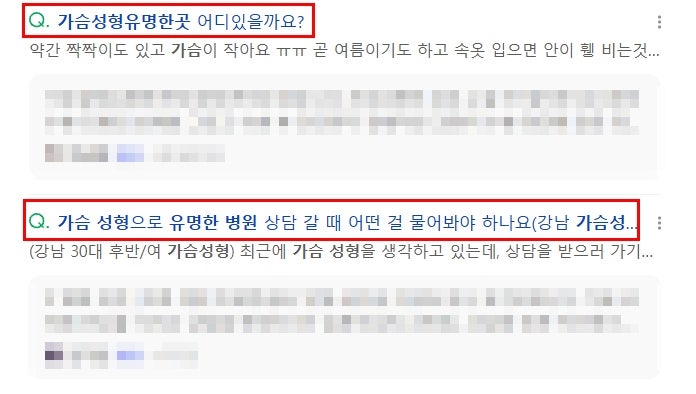
Han Sung-bum of AMORATA Plastic Surgery presents tips on preventing inferior and lateral malposition of breast implants.
“If a breast augmentation clinic in Gangnam is famous, isn’t it okay to trust it and go ahead?”
As you look into breast augmentation,
you eventually come to this thought.
A clinic that keeps showing up in search results,
a clinic with lots of reviews,
or a clinic you’ve heard about from people around you.
It involves a considerable expense
and a real physical burden, so it is a weighty decision...
From a clinic that many people have chosen,
the wish to feel reassured
is completely natural.
I do the same when I’m shopping or looking for a good restaurant:
I check the number of reviews..^^;;
That said, there’s one thing
worth considering.
If you choose breast augmentation
using the same criteria you’d use to buy a product,
you could end up with physical and emotional scars,
and revision surgery could cost you anywhere from several million won to more than 10 million won.
Being well known means that many people chose that place,
but it doesn’t mean it’s also the right fit for your body.
Please keep that in mind.
Even when people have surgery at the same clinic,
some are satisfied,
while others are left with regrets. The reason for that also lies here.
So today, as a surgeon who has focused solely on breast surgery for 20 years, I’d like to lay out the two criteria to check before looking at a clinic’s reputation.
1. Listen for “the reason it suits you,” not “the best method”
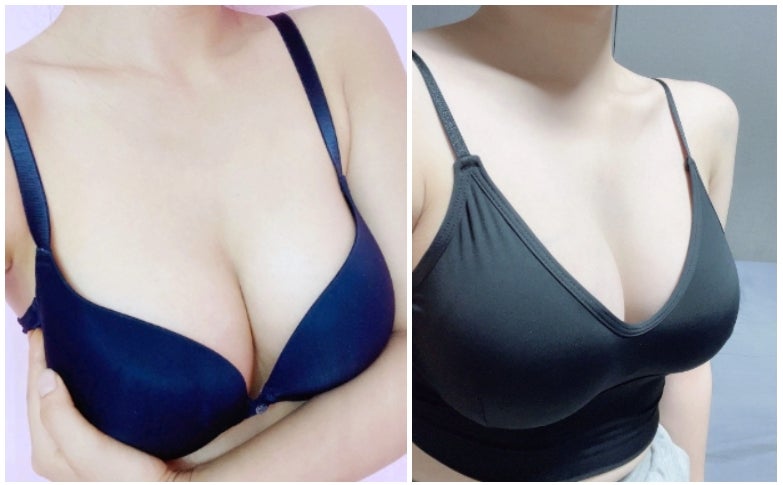
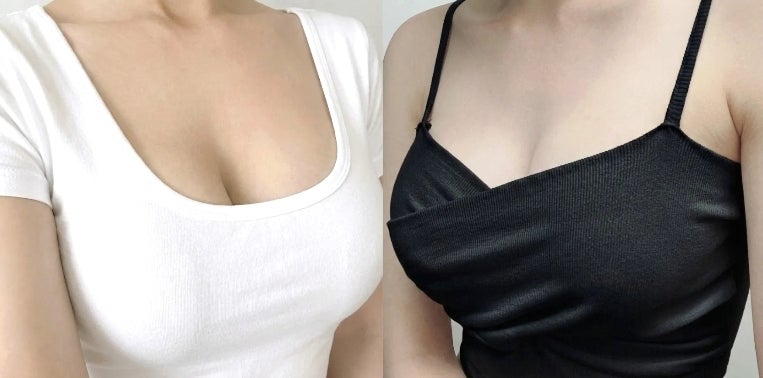
There is no single “right answer” in breast augmentation.
Many choices come together
to form one surgical plan.
Which implant to use,
whether to place it above or below the muscle,
where to make the incision,
and even how many cc to go with.
But when you browse online, you often see claims like “This implant is the best” or “This technique is the trend these days,”
which can make it feel as though there is only one right answer.
Some people even look for a clinic known for a specific surgical technique.
In reality, however, each option has both advantages and limitations.
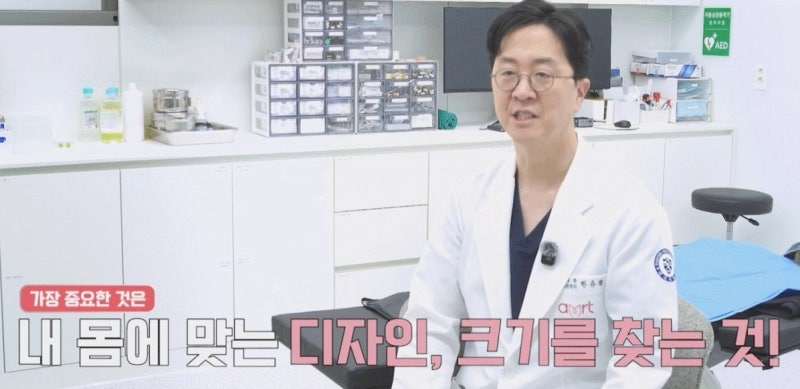
For example, the subfascial approach offers faster recovery and a well-defined implant shape,
but for people with thin skin and fat layers, the edge of the implant may show through.
On the other hand, the dual-plane approach places an extra layer of muscle over the implant,
which can be advantageous for slim patients.
However, if you exercise a lot, you need to consider “animation deformity,” in which the breast shape changes along with muscle movement.
In short, the best method depends not on the technique itself, but on who it is used for.
So what you should hear in a consultation is not “This is the best,” but an explanation with reasons, such as “Because your breasts have these characteristics, this method is the right fit for you.”
The same goes for size.
“Since a C cup looks the prettiest, please make me a C cup.”
Many people come in having already decided on the exact size they want.
But breasts are not a separate part of the body.
They look natural only when they harmonize with shoulder width, height, hips, and the overall skeletal frame.
For example, even among slim builds, someone who is tall and has a defined hip line may look balanced with more volume.
By contrast, someone who is petite with a slender frame and few curves may find the same size looks far too large.
Breasts that are too heavy for your body don’t end as just a matter of appearance.
Tissue that can’t support the weight tends to sag over time,
and it can also place ongoing strain on the shoulders, neck, and lower back.

This isn’t about automatically reducing the size you want.
It’s about finding the point where you can achieve your desired volume most naturally within your own body.
So don’t decide based on reputation alone.
During your consultation, check whether the clinic only asks about your breast size, or whether it also considers your height, weight, chest width, and overall body balance before suggesting a size.
2. Check how your concerns are addressed
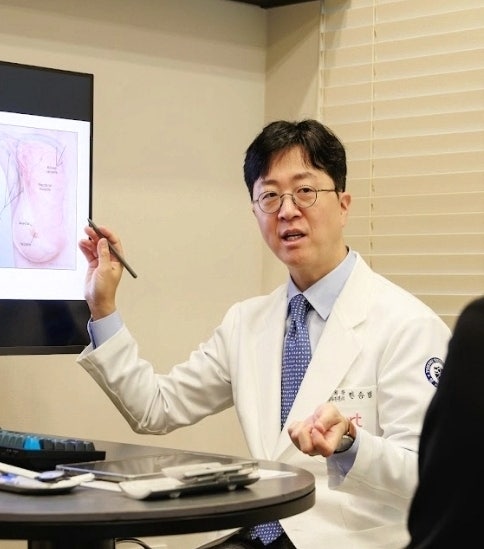
Concerns before breast augmentation differ from person to person.
For some, pain is the biggest fear. For others, the most pressing question is how the results will look, and for others, safety is the main concern.
To make a sound judgment, look at whether these concerns are simply eased with words, or whether they are addressed through a concrete process.
① “I don’t know how the results will turn out.”
What eases this worry is, ultimately, the depth of the consultation.
By trying on implant samples yourself and checking how you look from the front, from the side, and in motion, it becomes much clearer whether your desired result and your medical team’s plan point in the same direction.

② “I’m worried about pain and recovery.”
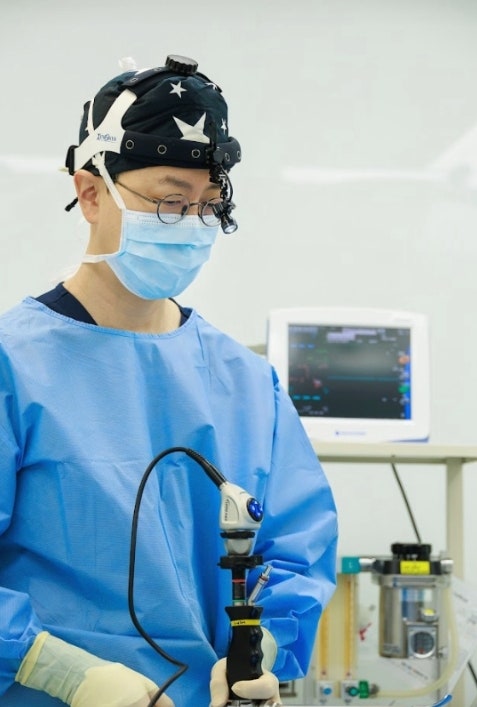
Pain and swelling are closely related to how much tissue is damaged during surgery and how much bleeding occurs.
The less tissue damage there is, the less the body’s inflammatory response, and the lighter the burden of pain and recovery tends to be.
So if pain is your biggest concern, rather than hearing “It doesn’t hurt,” ask specifically how the clinic minimizes incisions and dissection, and what methods it uses to reduce them.
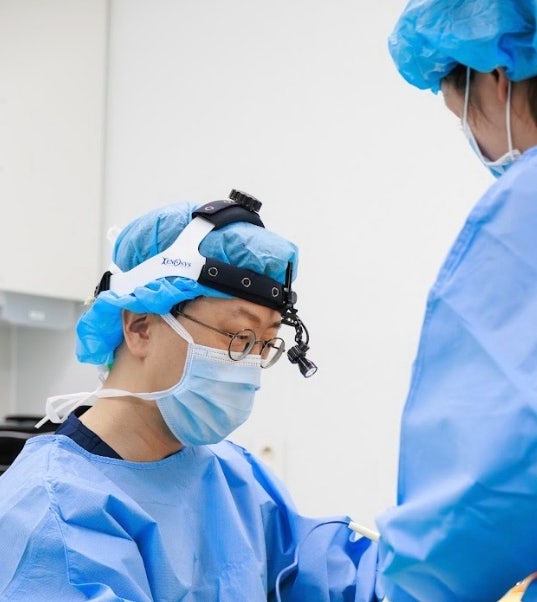
③ “Isn’t the clinic that does more surgeries better?”
Experience is certainly an important factor.
I have treated more than 10,000 breast surgery patients over the past 20 years. Honestly, my surgical skill now is incomparable to what it was in my first year or two^^;;
However, you should distinguish between “how much experience someone has” and “how many surgeries they pack into a single day.”
Breast augmentation involves a continuous series of fine judgments, from the extent of dissection and symmetry to suturing.
Surgeons are human too, so when too many operations are crammed into one day, stamina and concentration are bound to be affected.
So it’s worth checking whether enough time is set aside for each surgery and whether the schedule is unreasonably packed.
④ “What if something goes wrong after surgery?”
Even after surgery, it takes several months for the implant to settle in place.
The final result depends on whether they check your progress regularly, whether they examine the internal condition with ultrasound, and how they manage scarring during this period.
Even at equally well-known clinics, aftercare practices can vary greatly, so I recommend asking about them in advance.
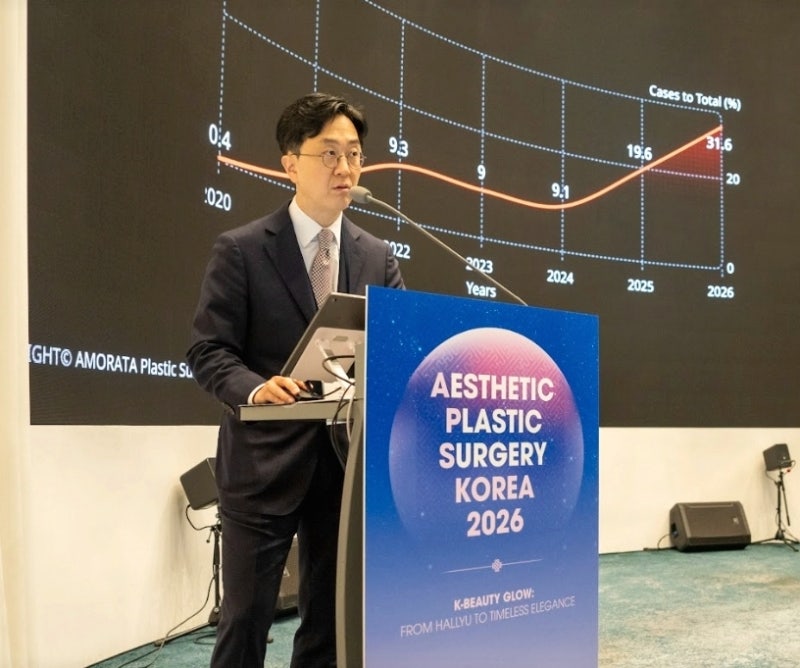
“So don’t just look at one clinic”
A “thorough consultation” is something you can only judge by comparing.
If you consult at only one clinic, you have no benchmark for judging whether the explanation is sufficient.
If you consult at least two or three clinics, you’ll naturally notice that the depth of answers to the same question can differ more than you’d expect.
Being well known can certainly serve as a stable benchmark.
But a name alone doesn’t guarantee results that suit your body.
If you’re looking into famous breast augmentation clinics in Gangnam, check these two things first.
First, whether the clinic looks at your breasts and overall body shape and explains “why it suits you,” rather than just “the best method.”
Second, whether it addresses your concerns about results, pain, safety, and recovery through concrete processes rather than just words.
If a clinic can give you clear answers to these two points, it will be a far more reliable basis for your choice than its reputation.
<You May Also Find This Helpful>
Amorata Plastic Surgery Clinic |
Main Phone: 02-522-0955 28 Seoro-daero 78-gil, Seocho-gu, Seoul, Square Cube, 3rd Floor |
This post was written directly by Amorata Plastic Surgery Clinic, in compliance with Article 56 of the Medical Service Act, for the purpose of providing accurate medical information.
All procedures and surgeries may cause side effects of varying degrees depending on the individual,
so please make a careful decision after thorough consultation with your medical team.
Frequently Asked Questions
Can I trust a breast augmentation clinic just because it’s famous?
Fame alone does not mean a clinic is right for your body. Being well known only means many people have chosen it, so check whether the clinic can explain why a particular approach suits you.
Can I decide my breast augmentation size by the cup size I want?
It’s better to receive a size recommendation based on your entire body rather than deciding on a specific size in advance. Breasts look natural when they harmonize with your shoulder width, height, pelvis, and skeletal frame. If they are too heavy for your body, sagging or strain on the shoulders, neck, and lower back can occur.
How long does it take for implants to settle after breast augmentation?
It takes several months for implants to settle. The final result can vary depending on whether regular follow-up checks are done, whether the internal condition is examined with ultrasound, and how scarring is managed.
What affects pain and recovery after breast augmentation?
Pain and recovery generally depend on how much tissue is damaged and how much bleeding occurs during surgery. Less tissue damage usually means a smaller inflammatory response and a lighter recovery burden, so it’s a good idea to ask specifically how the clinic minimizes incisions and dissection.
How many clinics should I consult before breast augmentation?
At least two or three. Consulting only one clinic leaves you with no basis for judging whether the explanation is sufficient, but comparing several lets you see how much the depth of answers to the same question can differ.
Is a clinic that performs more surgeries necessarily better?
Experience is an important factor, but the number of surgeries alone is hard to judge by. Breast augmentation involves a continuous series of fine decisions about dissection, symmetry, and suturing, so it’s also worth checking that the schedule is reasonable and each surgery has enough time.