2026-11-23
Common Traits of People Who Lose Millions of Won Comparing Inverted Nipple Surgery Prices
Choosing inverted nipple surgery by price alone can lead to recurrence and costly revisions. Learn why nipples sink back in and why diagnosis-driven surgical planning matters most.

Hello.
I am Han Seung-beom, Director of Amora Tap Plastic Surgery.
When you start looking into inverted nipple surgery,
at some point you find yourself
building a price comparison chart.
It's the same surgery,
yet some clinics are cheap
and others cost far more...
“After all, it's just pulling out what went in. Why not do it somewhere cheaper?”
It's only natural to think that way.
But this surgery has
differences that aren't listed on any price sheet.
The real difference is in
how thoroughly and how carefully the “internal structure” is handled.
Without understanding this difference,
many people decide based on price alone.
A few months later, they look at a nipple that has sunk back in
and begin looking into revision surgery. There are quite a few such cases.
The money saved at the start
is far outweighed by the cost, time,
and emotional strain of having to go through it all again.
Today, I'd like to outline
what can't be seen through price comparisons alone,
along with one key standard
you should check when choosing a clinic.
1. Why do some people fall into the trap of recurrence after surgery and simply lose their money?

Right after surgery,
the nipple looks nice and prominent,
and most patients are satisfied.
The problem arises a few months later, once the swelling subsides
and the incision softens.
That's when the nipple
starts to sink back in, little by little.
To understand why this happens,
we first need to look at
why the nipple was inverted to begin with.
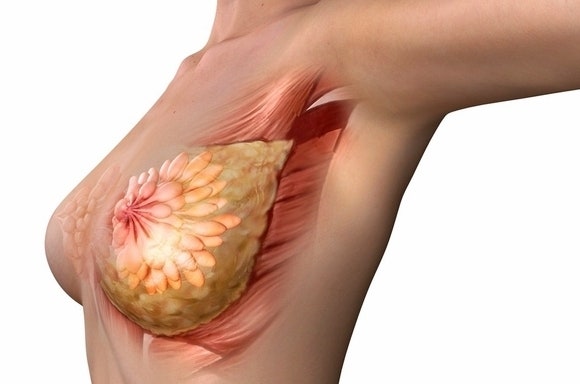
An inverted nipple is not a problem
of appearance on the surface,
but a problem of the internal structure.
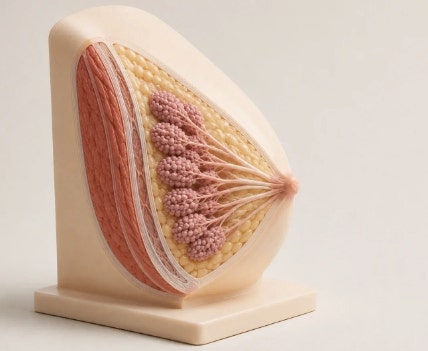
Beneath the nipple are the milk ducts that carry breast milk,
along with the fibrous tissue surrounding them.
When this tissue is short
or stiff and hardened,
it keeps pulling the nipple inward
and holding it there.
It's easy to understand if you picture
deep-rooted weeds.
If you only trim the part
sticking up above the ground and tidy it up,
the yard looks clean for now,
but since the roots remain intact,
before long,
they grow back in the same spot.
The same goes for inverted nipples.
If the tissue pulling from inside is left as is
and the nipple is simply brought out and fixed in place,
right after surgery, the swelling
supports the nipple from the outside,
so it appears to hold up well.
But once the swelling goes down and the fixation weakens,
the remaining pulling force takes over again
and the nipple gradually returns to its original position.
That's why you can't judge success
by how things look right after surgery.
The true result is what you see
a few months later.
Up to this point, you may be thinking
something along these lines:
“Then why not just tie it down really tight so it never sinks back in?”
But that isn't the answer either.
The nipple is a sensitive area
nourished by very fine blood vessels,
so if it's tied too tightly,
blood flow doesn't circulate well.
The tip of the nipple may turn dark
and develop wounds,
or problems such as dulled sensation
can arise.
Removing all of the pulling tissue is one option...
but the milk ducts that carry breast milk
run through that very same tissue,
which could
make breastfeeding difficult later on.
In the end, inverted nipple surgery
is a balancing act: if it's too gentle, the nipple sinks back in,
and if it's too aggressive, other problems
can arise.
What matters is finding the right balance between how strongly your nipple is being pulled,
how much of that pull to release,
and how firmly to secure it in place.
When this balance is off,
you may need another surgery,
and in an area that has already been operated on, scar tissue forms
and binds the tissues together firmly,
making correction more difficult than the first time.
This is why choosing based on price alone
can ultimately come back as a bigger expense,
and that is exactly why it ends up costing more.
2. One Key Criterion to Check Before Choosing a Clinic
So, instead of price,
what should you base your choice on?
From the perspective of a plastic surgeon with 20 years of experience,
if I had to pick just one,
it would be: “Does the diagnosis lead to the surgical plan?”
To strike the balance I described earlier,
you first need to know how strongly
your nipple is being pulled.
The challenge is that this is hard to determine
just by looking at the surface.
Whether the nipple pops out easily when pressed by hand,
whether it comes out and quickly retracts,
or doesn't come out at all:
the strength of the pull differs in each case.
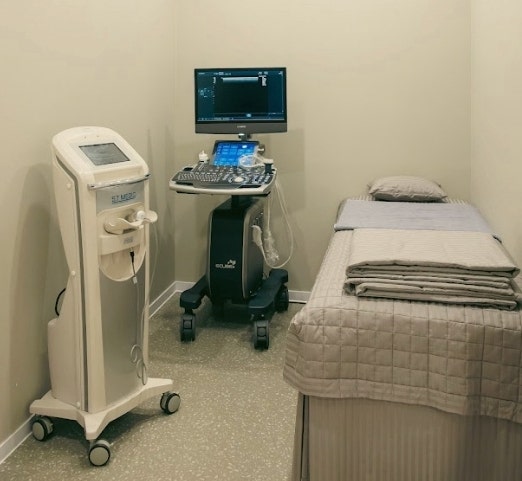
An ultrasound can show
how short the milk ducts are,
how stiff the surrounding tissue has become,
and even whether there is any inflammation.
“It's just a shape issue—do I really need to get tests done?”
You may be wondering that.
These steps are needed for surgical planning,
and they are equally essential for your safety.
If the inversion isn't something you've had since childhood,
but something that appeared suddenly in adulthood,
and only one side has sunk in,
then inflammation or a lump inside the breast
may be pulling on the milk ducts—
a possibility that must be checked.
Overlooking this
and jumping straight to correcting the shape
can mean discovering the real problem that should have been checked first
too late.
And diagnosis should not end there.
The results must be reflected
directly in the surgical plan.
For patients with a weaker pull,
the approach focuses on preserving the milk ducts as much as possible
while loosening the surrounding tissue.
For those with a stronger pull
and severe fibrosis,
the approach may involve releasing the tissue more thoroughly
to prevent recurrence.
The direction of treatment can change accordingly.
Factor in whether you plan to become pregnant or breastfeed in the future,
and whether the degree of inversion
is the same or different on both sides.
Even with the same inverted nipple,
each person's surgical plan
is bound to be different.
So, during consultations, rather than simply hearing,
“We can just bring it out for you,”
look for a clinic that says, “Your test shows the pull is at this level,
so it's appropriate to release this much and fix it this way.
There are limitations to this, though.”
In other words, a good clinic bases its explanation on your condition
and clearly covers both the method and its limitations.
That's what you should look for.
The ability to give this kind of explanation
means that diagnosis and surgical design are connected,
and that judgment comes from
hands-on experience treating a wide range of inversion types.

Comparing prices is
a natural and necessary step.
That said, even for surgeries with the same name,
how the force pulling from within is handled
can completely change the results months later.
Pulling the nipple out for appearance alone will just let it sink back in.
If you tighten too aggressively,
other problems can arise,
so ultimately, the key is finding
the balance that fits your condition.
That balance can be found by accurately assessing
the force pulling on your nipple and its underlying cause,
and by applying those findings directly
to the surgical plan.
Rather than focusing on the numbers on a price list,
first check whether your diagnosis leads to a tailored plan.
If you do,
the risk of paying for the same surgery twice
will be much lower.
<Related Column You May Find Helpful>
Amora Tap Plastic Surgery |
Main Phone: 02-522-0955 28, Seocho-daero 78-gil, Seocho-gu, Seoul, Square Cube, 3rd Floor |
For the purpose of providing accurate medical information,
Amora Tap Plastic Surgery Clinic, in compliance with Article 56 of the Medical Service Act,
wrote this post directly.
All procedures and surgeries
may cause side effects, both minor and serious, depending on the individual,
so please make a careful decision after thorough consultation with your medical team.
Frequently Asked Questions
Should I avoid choosing inverted nipple surgery based on price alone?
Comparing prices is necessary, but deciding based on price alone can end up increasing costs due to recurrence or revision surgery. According to the article, how much and how the internal structure, which isn't shown on price lists, is handled determines the results several months after surgery.
Why does the nipple sink back in after inverted nipple surgery?
The article explains that when the milk ducts and surrounding fibrous tissue beneath the nipple are short or stiff, they continuously pull the nipple inward. If that pulling tissue is left in place and the nipple is only brought out and fixed, it may gradually return to its original position once the swelling goes down and the fixation weakens.
Should surgical results be evaluated months later?
The article says it is more accurate to judge the outcome by how things look several months after surgery rather than right after. The condition once the swelling subsides and the incision softens reflects the true result, and success is hard to judge based on how things look immediately after surgery.
What should I check when choosing a clinic?
The article emphasizes that the key criterion is whether the diagnosis leads to the surgical plan. Look for a clinic that accurately assesses the force pulling on your nipple, reflects those findings in the surgical plan, and explains both the method and its limitations during consultation.
Is pre-surgery testing necessary for inverted nipple correction?
Yes. The article explains that examining the pulling force and milk duct condition through manual pressure tests and ultrasound is necessary for both surgical planning and safety. In particular, if one side has suddenly sunk in during adulthood, inflammation or a lump inside the breast should also be checked.
Will tightly tying the nipple down prevent recurrence?
No. The article explains that tying too tightly can impair blood flow, causing the nipple tip to darken or lose sensation. Too little correction lets the nipple sink back in, while too much creates other problems, so finding the right balance between the pulling force and fixation is the key.