2026-09-15
Choosing an Inverted Nipple Surgery Clinic in Daejeon: 2 Key Factors for a Flawless Result
Discover 2 crucial criteria for choosing an inverted nipple surgery clinic: precise severity diagnosis and balancing aesthetic outcomes with breastfeeding preservation functions without recurrence risks, explained by Amorata Plastic Surgery specialists in South Korea for optimal results effectively, clearly and safely for your life journey goals transparently today clearly safely for life ahead with ease now securely effectively naturally beautifully flawlessly safely properly now simply smoothl
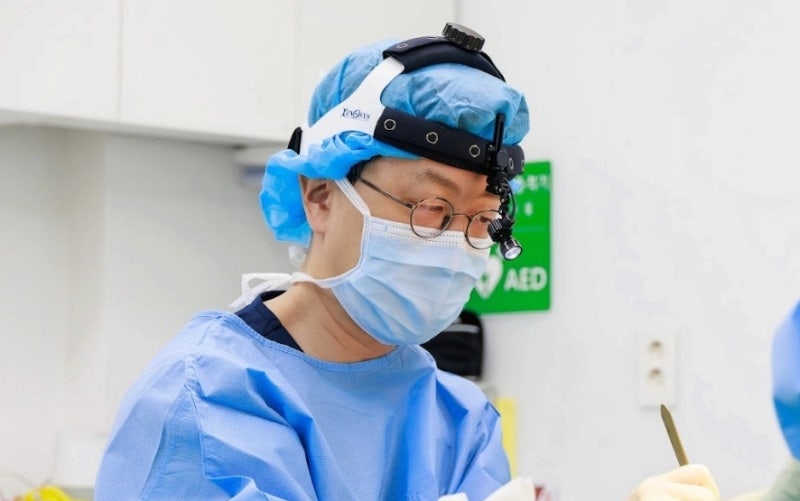

Since an inverted nipple isn't readily visible from the outside,
it is one of those common concerns that people often endure in silence for a long time.
Beyond simply worrying about how it looks...
recurrent inflammation caused by trapped moisture,
or anxious thoughts about whether breastfeeding
will be possible later on—
many people consider surgery as these multiple factors overlap.
However, when you actually start searching
to make a decision about surgery,
the sheer volume of information
might leave you feeling even more confused.
Simply deciding based on an abundance of reviews
or a cheap price tag isn't ideal,
because the results will remain on your body for the rest of your life—
so being cautious is only natural.
Therefore, today I will outline the two essential criteria
you must check before deciding on inverted nipple surgery.
Criterion 1: Is an accurate diagnosis of your current condition being made?

Even if inverted nipples appear similar on the surface,
their internal structure differs from person to person.
That is why there are medical criteria
used to classify their severity into stages.
They are broadly divided into three grades.
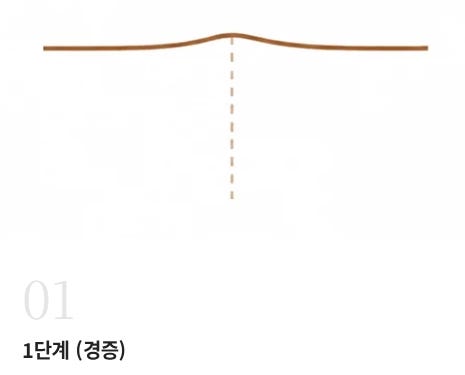
Grade 1 (Mild)
The nipple projects easily with mild stimulation,
and maintains that protruded state
for a certain period of time.
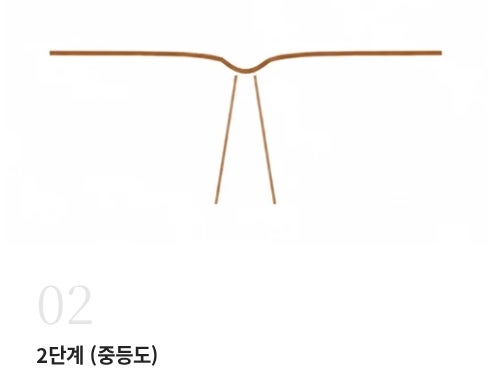
Grade 2 (Moderate)
When pulled by hand or stimulated physically,
it comes outward,
but once released, it immediately
retracts back inward.
At this stage, the internal tissue pulls on the nipple
with considerable force.
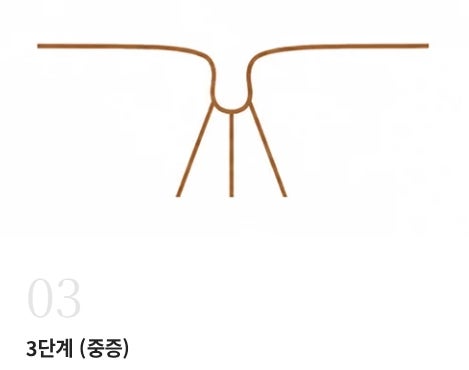
Grade 3 (Severe)
No matter how much stimulation is applied,
the nipple does not protrude or it is virtually impossible to pull out.
Internal fibrosis is severely advanced
and the milk ducts are severely shortened,
making this the most challenging case.
Why is this difference so crucial?
Because the tension of the fibrous tissue and milk ducts holding the nipple
is completely different depending on the grade.
The milder it is, the more pliable this tissue remains,
making correction relatively straightforward.
The more severe it is, the more advanced the fibrosis becomes,
making the surgical approach itself far more intricate.
Here, there is an important fact
that must not be overlooked.
It is the case that lies "between"
Grade 2 and Grade 3.
Depending on how this borderline state is evaluated,
the surgical plan itself
can change completely.
For example, if the tissue is actually relatively pliable
but overdiagnosed as Grade 3 and approached with an aggressive method,
the extent of tissue damage may become unnecessarily broad.
Conversely, if significant fibrosis has actually progressed
but is underestimated and approached with an overly conservative technique,
it can lead to recurrence soon after surgery,
retracting back inward.
In other words, the grading assessment alone
determines the intensity and technique of the procedure,
and ultimately dictates the final result.
This evaluation cannot be made in just a few seconds with the naked eye;
accuracy improves only when extensive experience
handling a diverse range of cases has been accumulated.
Therefore, an "accurate initial diagnosis" by an experienced medical team is paramount.
Criterion 2: Prioritizing between aesthetic shape and functional preservation

There is one question asked most frequently
when it comes to inverted nipple surgery:
"Can I still breastfeed after the surgery?"
The answer to this question
can vary completely depending on which technique is chosen.
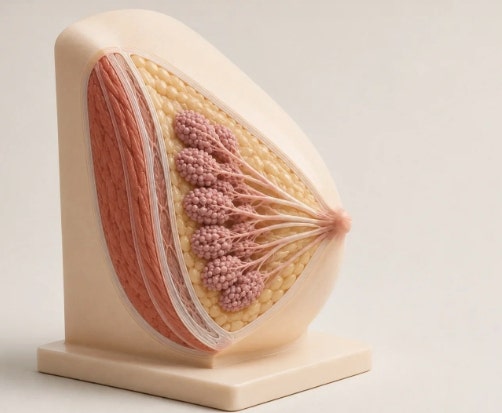
Beneath the nipple lie the lactiferous ducts, which serve as pathways for breast milk.
The fibrous tissue surrounding these ducts is what pulls the nipple inward.
From here, two options arise.
The first option is to preserve the milk ducts as much as possible.
This method is considered first for those planning future pregnancy and nursing.
It involves protecting the milk ducts while carefully releasing only the surrounding fibrous tissue.
However, this approach has its limitations.
If the milk ducts are kept intact,
their inherent inward pull on the nipple also remains to some degree.
As a result, it is difficult to completely eliminate the risk of recurrence with this technique.

The second option is to definitively sever both the fibrous tissue and the milk ducts.
This can be considered when there are no plans for breastfeeding,
or when symptoms are already severe, such as Grade 3.
Because the root cause of the inward tension is completely eliminated,
the recurrence rate drops significantly.
However, since the milk ducts are damaged in the process,
the function of breastfeeding must be sacrificed.
Neither method can be defined as the single "correct answer."
This is because priorities differ depending on your age,
future family planning, and the current degree of inversion.
That is why during consultations,
I do not make empty promises like,
"We will make it perfect with zero scars and zero recurrence."
Instead, I prefer to explain the realistic trade-offs:
"Preserving function leaves a slight possibility of recurrence, while definitively preventing recurrence requires sacrificing function."
If you are currently searching for
an inverted nipple surgery clinic in Daejeon,
please keep these two criteria in mind.
First: Does the clinic have an experienced medical specialist capable of accurately assessing your specific degree of inversion?
Second: Do they discuss the pros and cons of surgery candidly and transparently, considering not only cosmetic improvement but also your future breastfeeding plans?
If a clinic meets both of these standards,
you will be able to set aside the quiet worries
you have carried alone for so long with confidence.
<Related Column That May Be Helpful>
Amorata Plastic Surgery |
Main Contact: +82-2-522-0955 3F, Square Cube, 28 Seocho-daero 78-gil, Seocho-gu, Seoul, Republic of Korea |
This article was directly composed by Amorata Plastic Surgery
in compliance with Article 56 of the Medical Service Act,
with the aim of providing accurate medical information.
Every procedure or surgery carries the possibility of minor or major side effects depending on the individual;
therefore, please make a careful decision after a thorough consultation with a medical specialist.
Frequently Asked Questions
How are the stages of inverted nipples classified?
They are classified into Grade 1 (protrudes easily with mild stimulation), Grade 2 (comes out when pulled but retracts upon release), and Grade 3 (does not protrude even with stimulation). Because the tension of the fibrous tissue and milk ducts varies by grade, accurate preoperative assessment is essential.
Is breastfeeding possible after inverted nipple surgery?
Yes, it is possible if performed using a duct-preserving technique. Nursing function can be maintained by releasing only the surrounding fibrous bands while keeping the milk ducts intact. However, because some inward pull from the ducts remains, a minor risk of recurrence cannot be completely ruled out.
How can the recurrence rate of inverted nipple surgery be minimized?
The recurrence rate is minimized by completely dividing both the fibrous bands and the tethering milk ducts. Eliminating the primary pulling force lowers recurrence significantly, but breastfeeding becomes impossible due to duct transection. Therefore, careful consideration of pregnancy plans and inversion severity is necessary.
Why is the diagnosis of borderline Grade 2/3 cases so critical?
Because the diagnostic outcome directly dictates the surgical approach and technique. Overestimating tissue rigidity can cause unnecessarily extensive tissue disruption, whereas underestimating severe fibrosis can result in early postoperative recurrence.