2026-11-02
Choosing a Breast Augmentation Clinic: 2 Criteria More Important Than Reviews [Written by a Clinic Director with 20 Years of Experience]
Reviews show someone else's results, not yours. Here are two criteria that matter more when choosing a breast augmentation clinic: a personalized consultation and post-surgery aftercare.
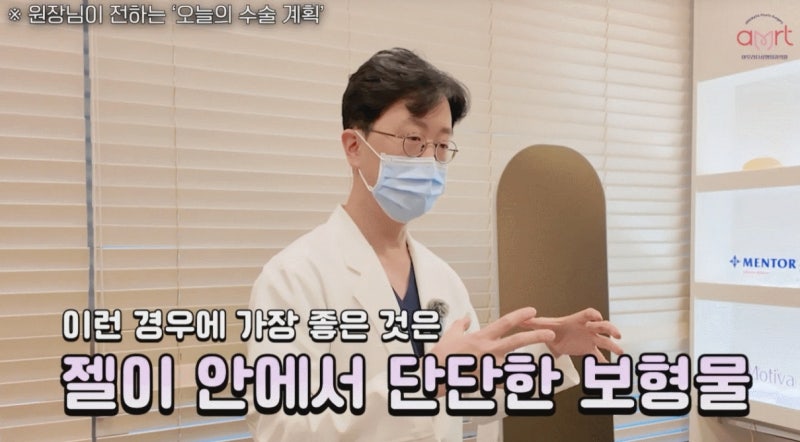
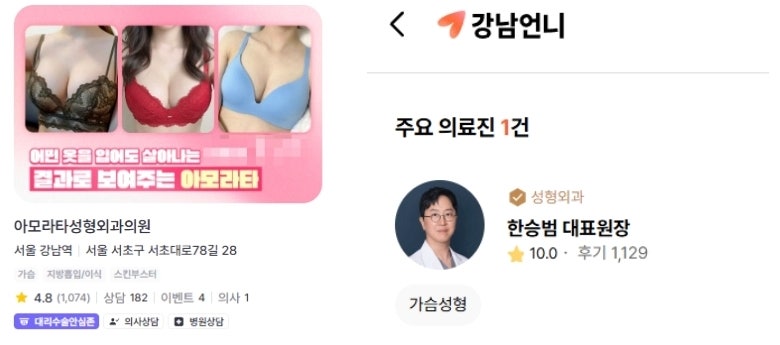
Gangnam Unni app listing: Amorata Plastic Surgery rated 4.8, and lead surgeon Han Seung-beom rated 10.0 with 1,129 reviews.
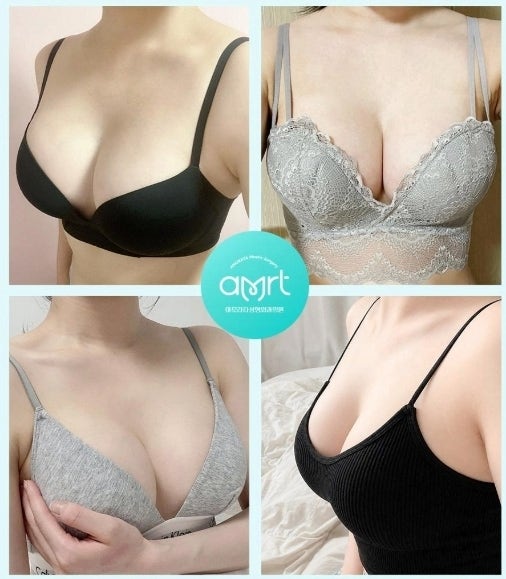
Many of you have probably spent late nights reading reviews while searching for a good breast augmentation clinic.
“The reviews here are really good.” “This clinic keeps coming up when I search.”
It's completely understandable why you'd dig through reviews so carefully.
Once you decide, it's hard to undo, and it's a change your body will live with for the rest of your life, so of course you want some reassurance.
But reviews have one limitation. They show results from 'someone else's body.'
There are also two processes that rarely show up in reviews yet actually determine how satisfied you'll be with the outcome: the pre-surgery 'consultation' and the post-surgery 'aftercare.'
Today, I'll walk you through these two criteria that you can't tell from reviews alone.
1. Reviews Leave Out the Standards for Your Own Body
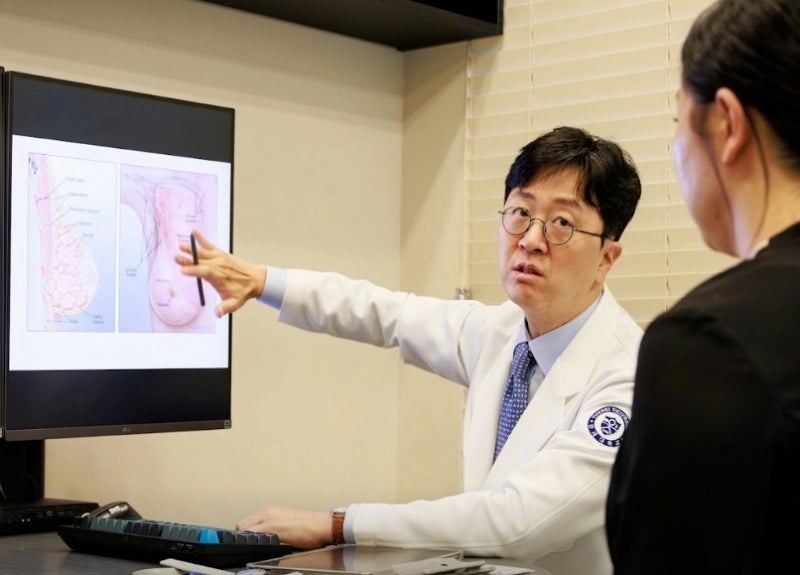
When deciding on breast augmentation, many people's first question is, “How many cc should I go with?”
In reality, cc is just one of several criteria. Even the same 300cc can produce different results from person to person.
When choosing an implant, you need to consider not only size but also width, projection, placement, and whether your own tissue can support it.
For example, 300cc may look natural on someone with a broad chest wall, but look oversized on someone with a smaller frame.
Also, for those with thin skin and little fat coverage, rippling, where the surface of the implant shows through like waves, can be more noticeable.
If you enjoy exercise, you should also consider “animation deformity,” where the shape of the breast changes as the muscles move.
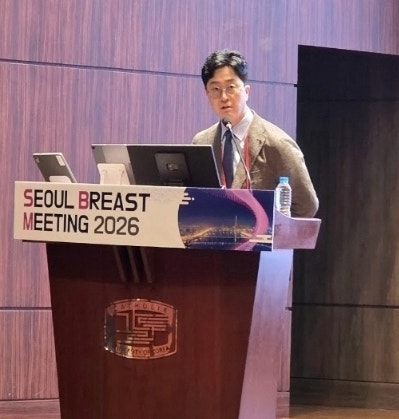
The American Society of Plastic Surgeons (ASPS) also emphasizes that when choosing an implant, individualized sizing based on body measurements is important. This is exactly why a number in a review, like “I had 300cc,” won't necessarily produce the same result on your body.
That's why, when looking for a good breast augmentation clinic, the way the consultation is conducted matters.
Many people seem to think of a consultation as simply a time to hear about the surgical process and costs.
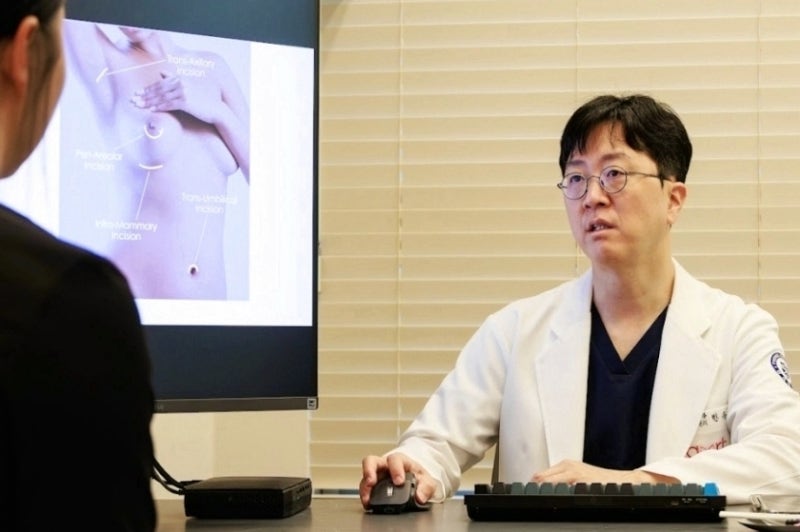
But a consultation is closer to the process of getting a custom-tailored suit. A custom suit isn't finished once your measurements are taken, right? You try it on in front of a mirror, raise your arms, sit down, and carefully check the line when the buttons are fastened.
The same goes for breasts. They shouldn't only look good while you're standing still; they should also look natural when you walk, raise your arms, or wear the clothes you wear most often.
Quite a few people end up needing revision surgery because they feel awkward or uncomfortable once they start moving.
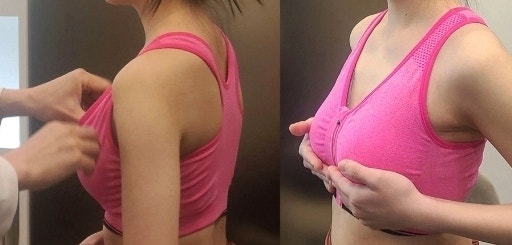
That's why it can be very helpful during a consultation to place sample implants in a sports bra and check them from the front, at an angle, and from the side, or to raise your arms and bend forward to physically feel how things change with movement.
This is also why I limit the number of surgeries I perform in a day and set aside at least 30 minutes, often more, for each consultation.
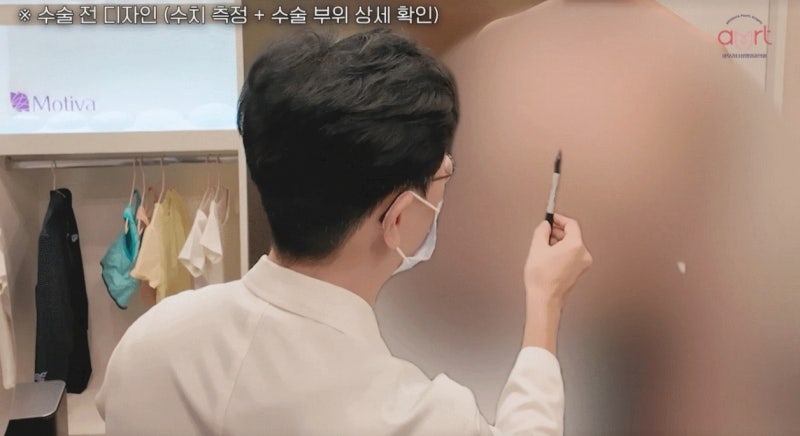
“Is a 3D simulation not enough?”
Many clinics now use 3D simulations. They're certainly helpful for getting a rough preview of how the result might look.
However, 3D is ultimately just a graphic on a screen. A screen can't really convey the weight of an implant, the sensation of skin stretching, the sway when you move, or how it feels to the touch.
So, use 3D as a reference, but also check whether the process includes verifying things on your own body. This kind of consultation process is hard to learn about from reviews alone, so it's something you need to confirm by going in for a consultation yourself.
2. After Surgery, the 'What Comes Next' Is Often Left Empty
Another easy-to-miss point is what happens 'after surgery.'
Before surgery, almost everyone is extremely meticulous. They compare implant brands and look into incision placement one by one. Surprisingly, though, many people don't pay much attention to the 'what comes next' once the operation is over.
After surgery, the body enters the real recovery phase. Swelling and bruising subside, and a capsule forms around the implant, gradually helping the shape settle. This process takes months, not just a few weeks.
If surgery is the process of “creating” the shape, aftercare is the process of “setting” that shape.
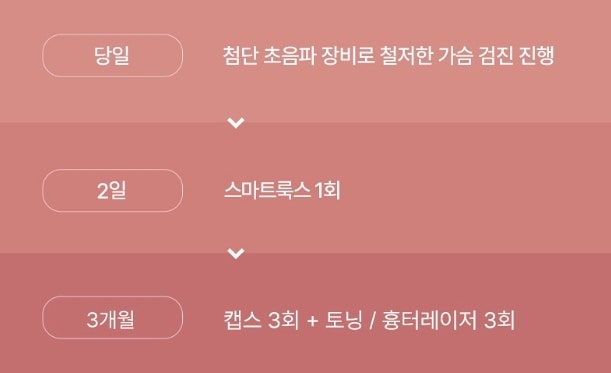
Care timeline: same day, thorough breast exam with advanced ultrasound; day 2, one SmartLux session; 3 months, CAPS ×3 + toning/scar laser ×3.
During recovery, you may experience changes like these:
1) A feeling that one side looks bigger due to swelling
2) Your breast line looking different depending on your posture
3) A tight or heavy feeling
4) Numbness or a tingling sensation
Most of these changes appear naturally during recovery and then fade away. The catch is that even the same symptom may need to be checked depending on its intensity, how long it lasts, and what other symptoms come with it.
For example, if swelling on only one side keeps getting worse, or if you feel warmth and pain at the same time, it may not be a simple part of recovery.
But it's not easy for patients to tell the difference on their own. That's why having an aftercare system that lets you get your condition checked regularly can keep minor discomfort from growing into major anxiety, and help you catch small problems early so you can address them quickly.
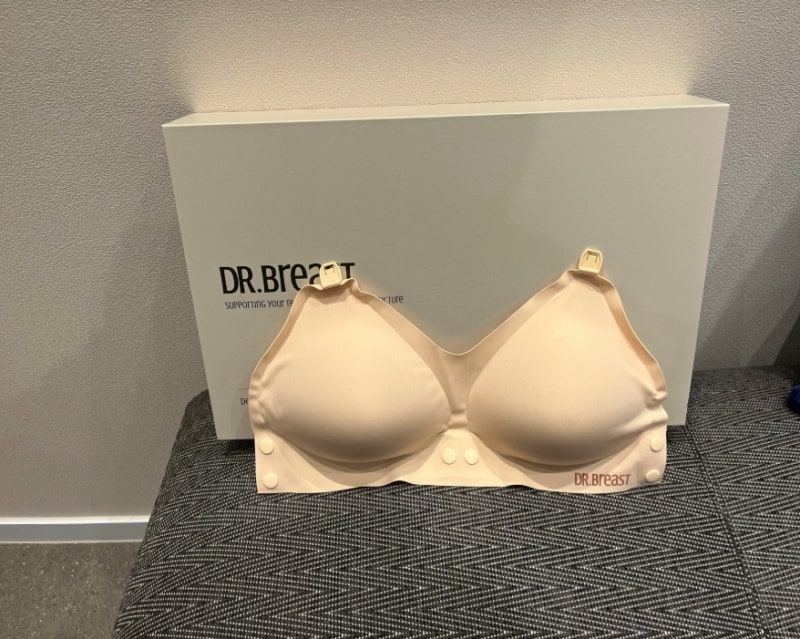
A beige DR.Breast bra displayed in front of its box.
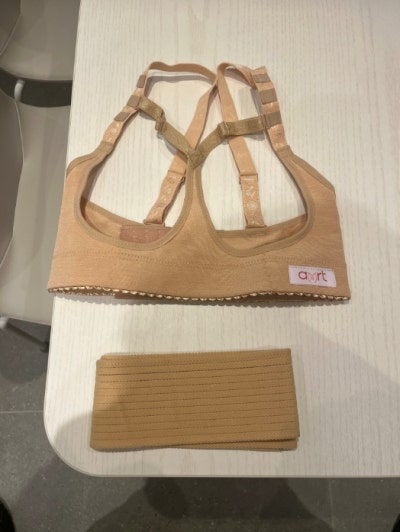
A beige compression bra with the amrt label and a folded elastic band laid out on a table.
So if you're looking for a good breast augmentation clinic, it can help to check the following points.
1) When and how many times they check your recovery after surgery |
2) Whether they check the internal condition with ultrasound or similar tools |
3) How you can contact them and how they handle things if you feel something is wrong during recovery |
If you can get concrete answers to these questions, you can feel at ease entrusting yourself to the process after surgery as well.
Reviews can be a useful reference when researching clinics. However, reviews reflect someone else's body, and the two processes that determine the outcome are often not captured in them.
First, a consultation that checks your own body's conditions directly and designs a plan tailored to you. Second, aftercare that sees your recovery through to the very end.
If you verify these two things for yourself, you'll be much closer to a satisfying result than if you decided based on reviews alone.
<Related Column You May Find Helpful>
Amorata Plastic Surgery Clinic |
Main Phone: 02-522-0955 28, Seoro-daero 78-gil, Seocho-gu, Seoul, Square Cube, 3rd Floor |
This post was written directly by Amorata Plastic Surgery Clinic in compliance with Article 56 of the Medical Service Act, for the purpose of providing accurate medical information.
All procedures and surgeries may cause side effects, both minor and major, depending on the individual. Please make a careful decision after thoroughly consulting with your medical team.
Frequently Asked Questions
Is it okay to choose a breast augmentation clinic based only on reviews?
It's better to check the consultation and aftercare for yourself rather than judging based on reviews alone. Reviews show results from someone else's body, so it's hard to expect the same outcome on yours. Also, the pre-surgery consultation and post-surgery aftercare, which largely determine how satisfied you'll be, often aren't reflected in reviews.
If the cc is the same, will the result be the same?
No. Even with the same cc, results can vary from person to person. Implant selection requires considering not just size, but also width, projection, placement, and whether your own tissue can support it. The same size may also look different depending on chest wall structure and body frame.
How long does recovery take after breast augmentation?
The process of the shape settling after surgery takes months, not just a few weeks. It includes the resolution of swelling and bruising and the formation of a capsule around the implant. Most changes that occur during recovery fade naturally, but depending on their intensity and duration, they may need to be checked.
What should I check in post-surgery aftercare?
It's a good idea to check whether the clinic has an aftercare system that lets you get your progress checked regularly. It helps to ask specifically when and how many times they check your recovery after surgery, whether they assess the internal condition with ultrasound or similar tools, and how you should contact them and how they handle things if a problem comes up during recovery.
Is it okay to decide based only on a 3D simulation?
Rather than deciding based on a 3D simulation alone, it's better to use it as a reference and check whether the clinic also lets you verify things on your own body. It's helpful for getting a rough preview of the overall shape, but a screen can't really show the weight of an implant, how it moves when you're active, or how it feels to the touch.
Do I only need to confirm the surgical process and cost during a breast augmentation consultation?
No. A consultation is more than just a chance to hear about the surgical process and costs; it's a process of planning around your body. Things like placing sample implants in a sports bra to check the front, angled, and side views, or raising your arms and bending forward to see how they move, can be very helpful.