2026-09-18
Cheongju Breast Augmentation: Top 3 Pre-Op Checklists for Patient Safety
Key safety checklist for breast augmentation: learn why pre-anesthesia tests, pausing supplements/diet drugs, quitting smoking, and fasting are critical.
<Amorata Plastic Surgery Review>
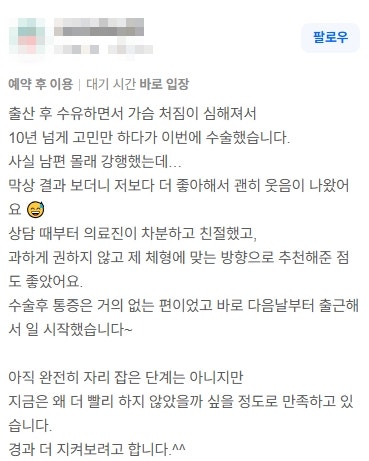
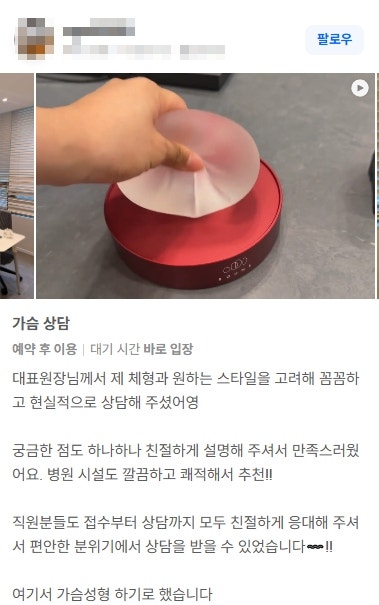
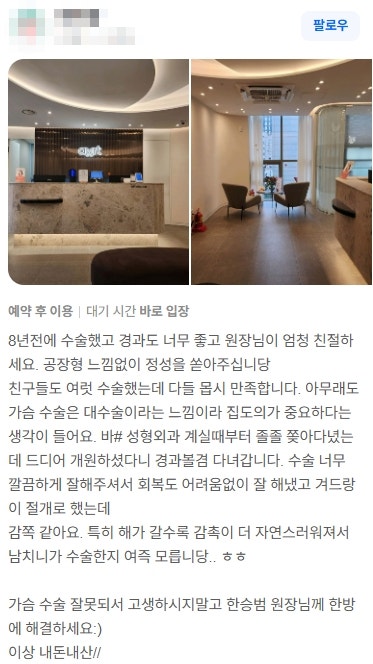

When speaking with patients who come in for a breast augmentation consultation,
nine out of ten ask these questions first:
"Doctor, which implant will suit me best?"
"When will I be able to return to daily activities after surgery?"
Of course, wondering about implant types, sizes,
and recovery time for a beautiful physical transformation
is completely natural.
However, before achieving a satisfying result,
there is an 'absolute principle'
that must be addressed first and foremost.
That is 'absolute safety' both inside and outside the operating room.
No matter how flawless the surgical plan may be,
if the patient's body is not ready to handle it...
nothing can proceed to the next step.
That is why today,
I will guide you through the 'Safety Checklist'
you must know before breast augmentation—
the crucial first step toward a successful, beautiful result.
Drawing from my experience of treating over 10,000 breast surgery patients
over the past 20 years,
I will break down the 3 core essentials.
<Over 1,000 Cumulative Breast Augmentation Reviews>
1. Checklist #1: Pre-Anesthesia Testing
"I'm usually very healthy, do I really need to take all these tests?"
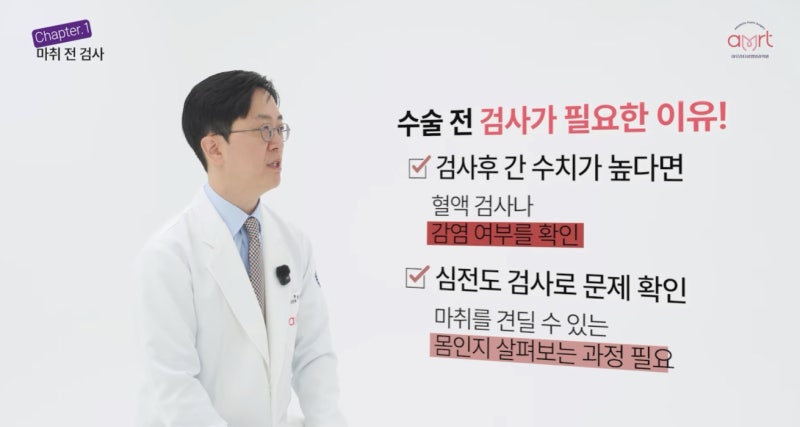
When we arrange schedules for pre-op blood tests, EKGs,
and chest X-rays, this is a question we hear quite often ^^;;
Even if you appear completely healthy on the outside
without minor ailments,
no one can guarantee the exact condition inside your body
until the numbers are confirmed
through diagnostic equipment.
These basic tests are not meant to inconvenience you;
they are an essential lifeline to verify
whether your body can safely tolerate general anesthesia.
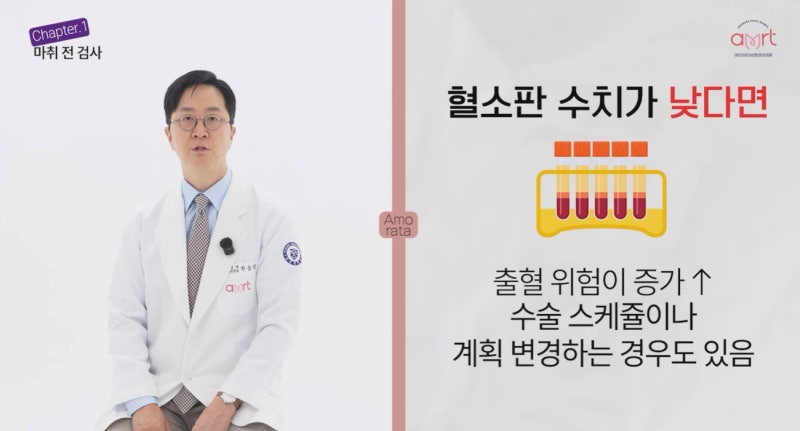
For instance, liver enzyme levels may be unexpectedly elevated,
or platelet counts could be significantly below average
without the patient ever realizing it.
If platelet counts are low, bleeding does not stop easily during surgery,
significantly increasing the risk of hemorrhage.
Moreover, it is vital to understand that
anesthesia is not merely 'going to sleep.'
Many people casually assume anesthesia is just
'taking a deep nap and waking up,'
but the reality is quite different.
It is an advanced medical procedure in which a dedicated anesthesiologist
comprehensively analyzes the patient's weight and organ function levels
to finely adjust drug types and dosages on a minute-by-minute basis.
Therefore, rather than rushing through pre-op tests
at the last minute,
we strongly recommend completing them well in advance.
This ensures we secure the 'golden time'
to respond safely and reschedule your procedure in peak condition
should any unexpected abnormalities arise.
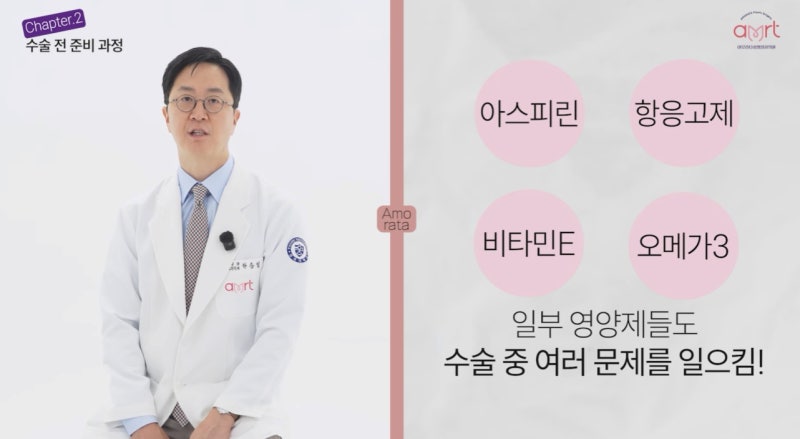
2. Checklist #2: What 72% of Patients Miss Before Plastic Surgery
Just as vital as thorough hospital pre-screenings
is the lifestyle management that patients must maintain themselves.
Minor habits casually brushed off with thoughts like
"This should be fine"
can act as massive variables in the operating room.
One of the most frustrating causes of unexpected bleeding
is nutritional supplements.
Usually, when asked if they take any 'medications,'
most patients only think of hospital-prescribed drugs.
Many neglect to mention routine daily supplements like Omega-3,
Vitamin E, or red ginseng,
assuming they are simply health foods.
However, such dietary supplements and anticoagulants like aspirin
can thin the blood,
causing severe bleeding during surgery.
Delayed hemostasis leads to worse bruising, swelling,
and a prolonged recovery.
Therefore, you must discontinue these at least 2 weeks prior to surgery.

Another critical hazard involves
weight loss medications such as Wegovy and Mounjaro.
Popular weight-loss drugs and injectables
prolong gastric emptying to maintain satiety.
The issue is that even with strict overnight fasting,
there is a high probability that the stomach will not be completely empty.
Entering anesthesia in this state can lead to gastric contents regurgitating
and blocking the airway, triggering critical emergencies
such as aspiration pneumonia.
Accordingly, these medications must be paused at least 1 week beforehand.
Finally, smoking cessation is mandatory, not optional.
Nicotine constricts peripheral blood vessels,
cutting off oxygen and nutrient delivery to the surgical site.
This severely delays wound healing.
Because it also elevates the risk of capsular contracture and infection,
quitting smoking 2 weeks prior is an absolute rule for breast augmentation.
3. Checklist #3: What to Check the Day Before Surgery
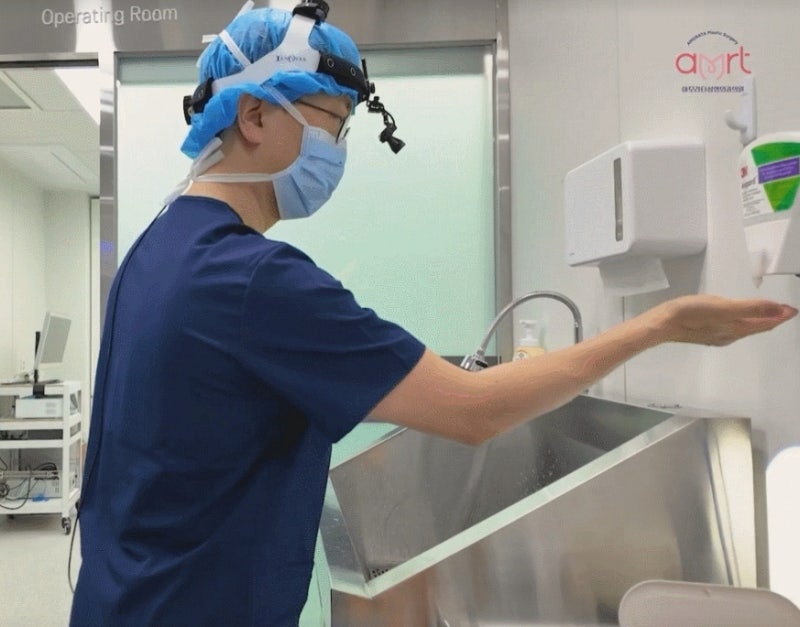
When surgery is right around the corner,
there are crucial details you must check before leaving home for the clinic.
1) Remove Nail Polish and Gel Nails
To monitor your breathing and safety during surgery,
a pulse oximeter is placed on your fingertip.
However, thick gel nails or dark nail polish
prevent the sensor light from penetrating the nail,
making it impossible to read your heart rate and oxygen saturation.
To ensure proper monitoring, all nail products must be completely removed.
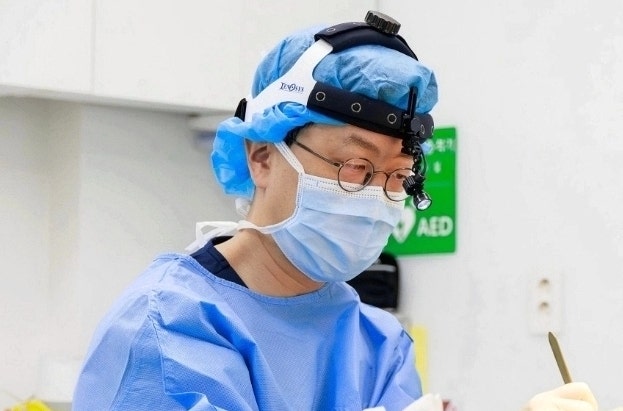
2) Remove Body Piercings and Designer Bracelets
All body piercings or difficult-to-remove jewelry—such as
screw-locked designer metal bracelets—
must be taken off prior to surgery.
This is because microcurrents used during surgery can travel through metal jewelry
remaining on the body, posing a risk of unexpected burns.
3) Last-Minute Fasting Violations
On the day of surgery, while waiting in the lobby,
some patients feel nervous and parched,
carelessly taking a sip of water or coffee.
However, if even a single sip of liquid enters the stomach,
the risk of regurgitation under anesthesia rises,
which can cause that day's surgery to be canceled or postponed indefinitely.

The checklists outlined today serve as the strongest shield
directly protecting your safety.
While they may seem slightly tedious or demanding,
flawlessly adhering to every single rule
is what ensures a beautiful outcome free of complications.
<Helpful Columns to Read Together>
Amorata Plastic Surgery |
Main Tel: 02-522-0955 3F, Square Cube, 28, Seocho-daero 78-gil, Seocho-gu, Seoul |
This article was directly authored by Amorata Plastic Surgery
in compliance with Article 56 of the Medical Service Act,
intended to provide accurate medical information.
Every procedure/surgery carries the risk of potential complications
depending on individual conditions;
please make an informed decision following thorough consultation with medical staff.
Frequently Asked Questions
Do I really need pre-anesthesia testing before breast augmentation?
Yes, it is essential for safe general anesthesia. Even if you appear healthy on the outside, abnormalities in liver enzymes or platelet counts increase bleeding risks during surgery; preliminary tests verify in advance whether your body can safely tolerate general anesthesia.
When should I stop taking daily supplements or diet pills?
Supplements such as Omega-3 and red ginseng must be discontinued 2 weeks before surgery, and weight loss drugs should be stopped at least 1 week prior. Supplements can thin the blood and cause bleeding, while diet medications delay gastric emptying, increasing the danger of aspiration pneumonia under anesthesia.
Why is smoking cessation mandatory before surgery?
You must quit smoking at least 2 weeks prior to prevent delayed wound healing and complications such as capsular contracture. Nicotine constricts peripheral blood vessels and hampers oxygen and nutrient delivery to the surgical site, elevating inflammation and infection risks.
Why do I need to remove nail art and piercings on the day of surgery?
They must be removed to monitor vital signs and prevent surgical burns. Gel polish interferes with pulse oximeter light sensors, while body piercings or metal bracelets can conduct microcurrents used during surgery, leading to unexpected electrical burns.
Can I have just a sip of water if my throat is dry on the day of surgery?
No, not even a single sip of water is permitted. If any liquid enters the stomach, it creates a serious risk of regurgitation and airway obstruction under anesthesia; violating fasting rules can result in immediate cancellation or postponement of your surgery.