2026-10-26
Breast Augmentation in Your 20s or 40s: What's the Right Time? <Surgery Timing Edition>
Explains the right timing for breast augmentation in your 20s and 40s, covering physical maturity, mental readiness, and how today's safer implants and endoscopic surgery have changed the picture.
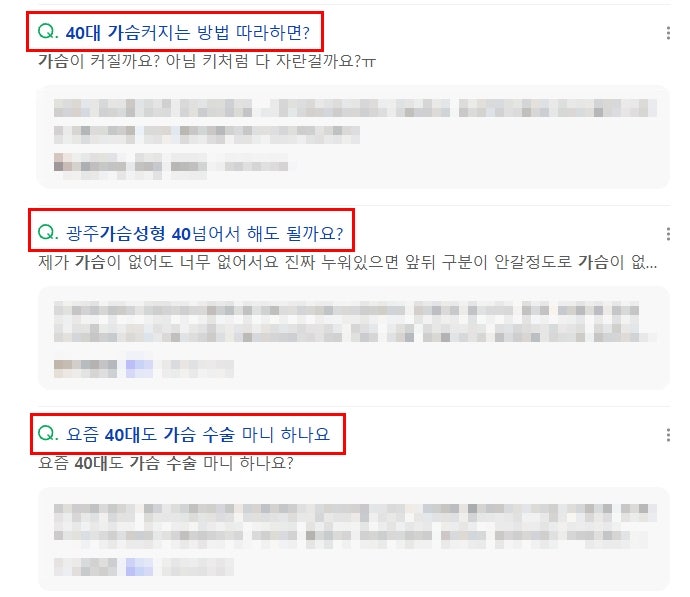
When I consult with patients about breast surgery, I often hear a story from those in their late 40s. They hesitate for a long time before cautiously sharing it.
“I’ve felt self-conscious about this since I was 20, but back then I was too young and afraid of the side effects, so I gave up. Then I got married, got caught up in raising kids, and before I knew it, 20 years had gone by.”
Lately, I’m seeing more and more people voice this kind of regret.
Behind everyone considering breast surgery, there is always one fundamental question: “Is now really the right time?”
Today, I’d like to look at the concerns patients in their 20s and 40s raise most often, and candidly explore what the right timing for surgery looks like.
1. Breast augmentation in your 20s: Is it okay to have surgery right after becoming an adult?

Many patients in their early 20s want to have surgery right after they become adults. However, two essential conditions matter far more than age.
The first is the complete end of physical development. Women’s breasts continue to grow and change into a later stage than many people expect. Depending on the individual, mammary gland development or changes in body shape can still occur into the early 20s.
According to guidelines from reputable bodies such as the American Society of Plastic Surgeons, surgery is recommended from age 20 onward, once physical growth has fully completed.
In particular, the safest standard for avoiding post-surgery shape distortion is to plan surgery once your weight and body shape have remained stable for at least the past year, without dramatic changes.
The second is the ability to make your own decisions. Breast augmentation should never be decided to impress others or because a partner or friend suggested it. The right time for surgery is when you have the psychological maturity to overcome your own insecurities and find real satisfaction, while fully accepting on your own the side effects and the responsibility for long-term care.
2. Breast augmentation in your 40s and 50s: Isn’t it reckless or too much of a strain to have surgery at this stage?
Breast augmentation used to be sought mainly by patients in their 20s and 30s. Recently, however, the share of patients in their 40s and older has risen noticeably.
The biggest concerns for these patients are “what others will think” and “the physical strain that comes with age.” Yet patients in their 40s and 50s who have completed their recovery consistently say the same thing: “I wish I had done it sooner, even just a little earlier.”
Unlike 20 years ago, when social attitudes were more conservative, today’s society places the highest value on personal fulfillment and self-esteem. Rather than hiding their bodies out of concern for others’ eyes, people have fully shifted toward caring for themselves and feeling satisfied with their own bodies.
That’s why many women in their 40s approach breast augmentation not simply as a cosmetic goal, but as a process of psychological healing, one that helps them reclaim the femininity and confidence that childbirth and aging may have taken away.
3. The biggest worry for younger patients: “I’m scared of implant side effects”
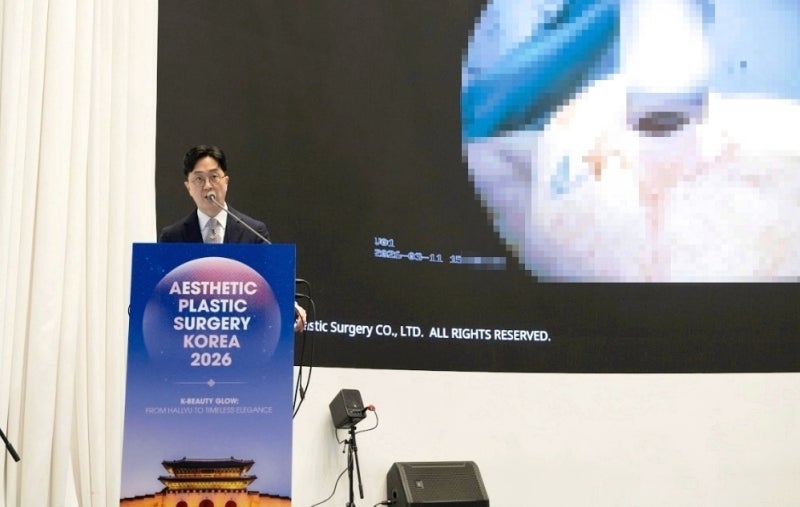
When considering surgery in your 20s, the biggest barrier is, without question, implant safety. Implants may need to stay in the body for as little as 10 years or as long as 20 years or more, so the fear of serious complications such as capsular contracture or rupture often holds people back.
To be clear, the fear of serious side effects that patients worry about largely belongs to the era of older implants from 10 to 20 years ago.
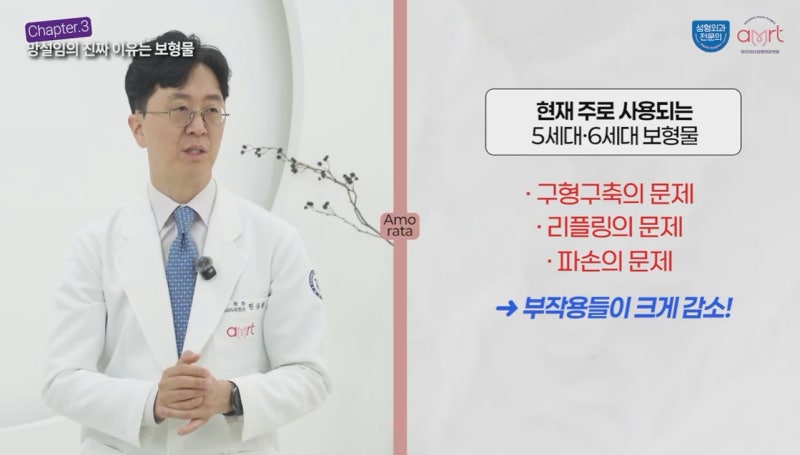
Implants widely used in clinics today, such as 5th and 6th generation devices, have addressed many of those past shortcomings.
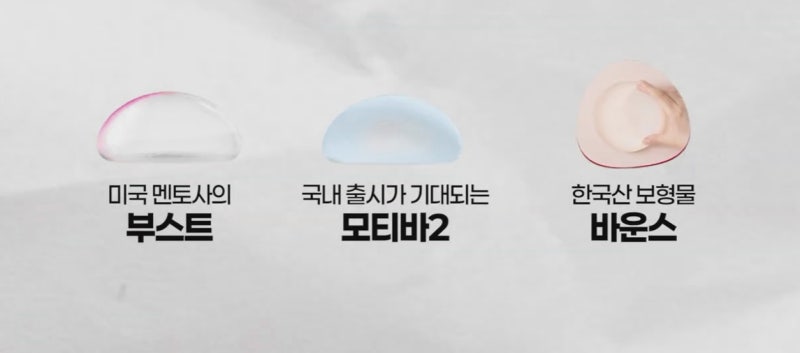
From Mentor’s “Boost” from the United States, to the globally proven “Motiva 2,” to the recently launched Korean-made implant “Bounce,” today’s implants have dramatically improved in shell strength and durability.
They also use a body-friendly gel, which has significantly lowered the likelihood of capsular contracture and rippling. Advances in medical technology have further improved surgical safety on top of this.
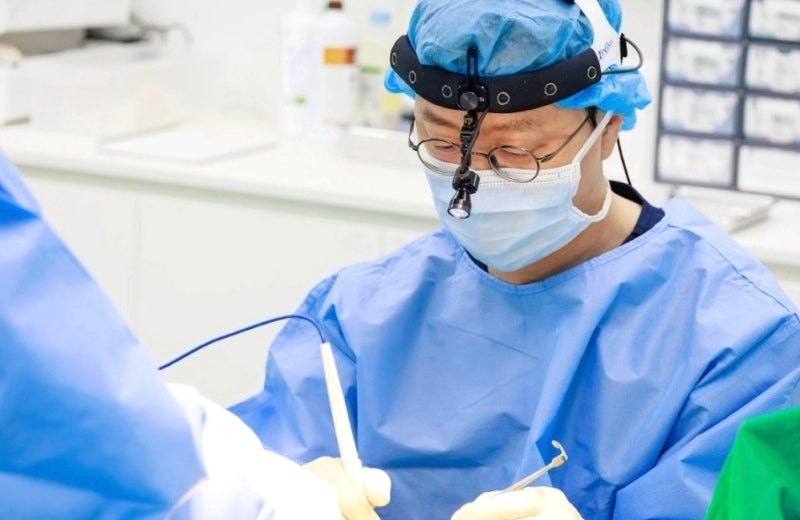
Rather than relying on touch-based dissection as in the past, precision surgery using Full HD endoscopes has become the standard.
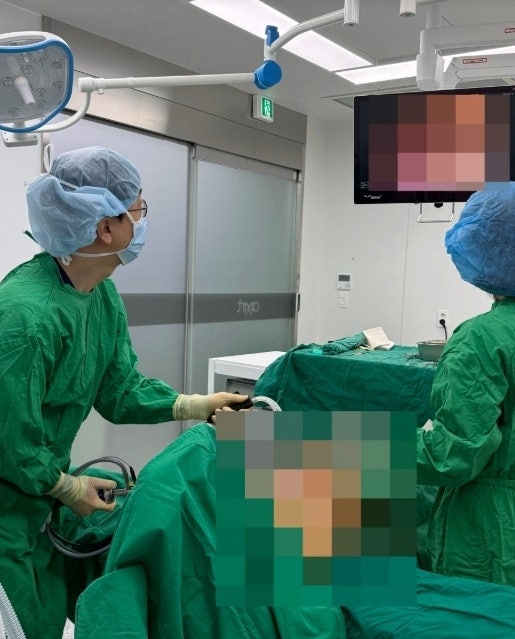
Because surgeons can directly see blood vessels and nerve tissue, minimize bleeding, and preserve tissue intact, the implant settles more stably into place. This leads directly to less pain and a quicker return to daily life.
No medical procedure is 100% permanent or completely risk-free. Still, with precise surgical techniques combined with recent implants, today’s breast augmentation offers long-term stability that cannot be compared with the past.
In conclusion, what matters most in breast augmentation is not the age on your ID card or the opinions of those around you. It is a clear-eyed judgment of whether your body is stable enough to undergo surgery, and whether you truly long for this change yourself.
The moment when your body’s readiness and your mind’s conviction intersect is the ideal time for breast augmentation for you.
Rather than letting time slip by out of vague fear, I encourage you to make the best choice for yourself through an objective analysis of your body and a safe surgical plan.
<Recommended Reading>
Amora Taps Plastic Surgery Clinic |
Main phone: 02-522-0955 28, Seoro-daero 78-gil, Seocho-gu, Seoul Square Cube, 3rd Floor |
This post was written directly by Amora Taps Plastic Surgery Clinic in compliance with Article 56 of the Medical Service Act, solely to provide accurate medical information.
All procedures and surgeries may cause minor or major side effects depending on the individual, so please make a careful decision after thoroughly consulting with your medical team.
Frequently Asked Questions
From what age can I get breast augmentation?
Surgery is recommended from age 20 onward. The article explains that the standard for avoiding shape distortion is to plan surgery once physical growth is fully complete and your weight and body shape have stayed stable for the past year.
What are the key conditions to consider when deciding on surgery in your 20s?
The article explains that two conditions matter more than age. The first is that physical development has fully ended. The second is psychological maturity: deciding for yourself rather than on someone else’s advice, and being able to accept the side effects and the responsibility for ongoing care.
Is breast augmentation worth considering in your 40s or later?
The article’s position is that your current physical condition and your own determination matter more than your age. Patients in their 40s and older often worry about social perception and physical strain, but after recovery, many say they wish they had done it sooner.
If I’m worried about implant side effects, how do recent implants compare?
The article explains that many shortcomings of earlier implants have been addressed in 5th and 6th generation devices. It notes that shell strength and durability have improved, and that the use of gel has lowered the likelihood of capsular contracture and rippling. It also points out that no medical procedure is 100% permanent or completely risk-free.
How are breast augmentation surgeries performed these days?
The article explains that precision surgery using Full HD endoscopes has become the standard in place of touch-based dissection. Because surgeons can directly see blood vessels and nerve tissue, minimize bleeding, and preserve tissue, the implant can settle more stably, which can lead to less pain and a quicker return to daily life.
What should I check before deciding on surgery?
The article advises a clear-eyed assessment of whether your body is ready for surgery and whether you truly want the change for yourself. Because every surgery may carry individual side effects, it recommends a thorough consultation with your medical team before making a careful decision.