2026-09-17
Breast Augmentation After 40: Is It Too Late? <Answer from a Surgeon with 20 Years of Experience>
Discover why breast augmentation in your 40s and beyond is completely achievable with the right focus on skin elasticity, safe implant sizing, and natural harmony.

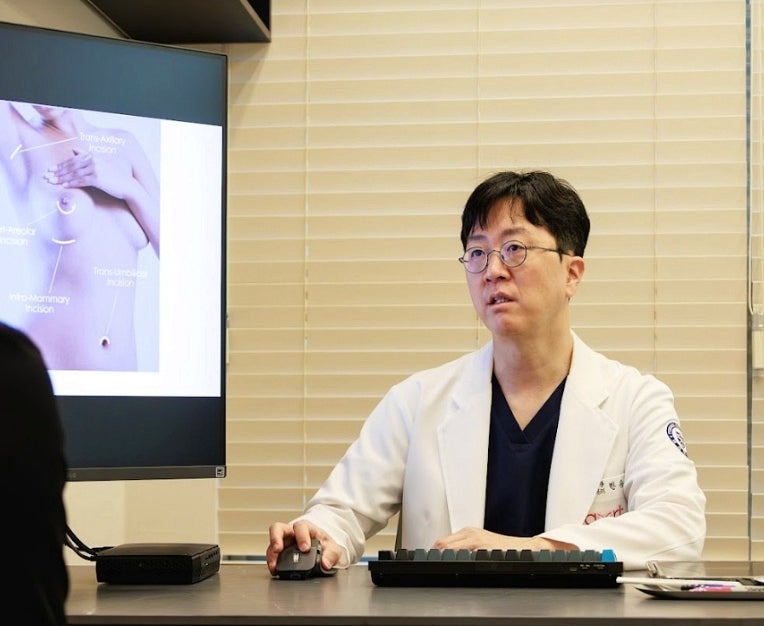
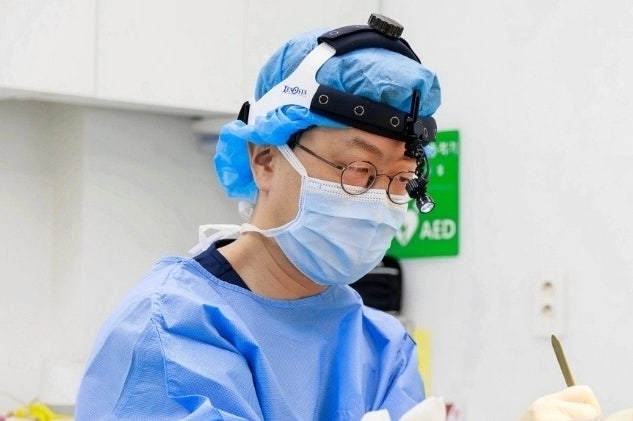
As a plastic surgeon with 20 years of experience,
focusing solely on breast surgeries,
I have met with more than 10,000 patients.
When consulting with patients in their 40s and beyond
who are considering breast augmentation,
there is a question they often ask cautiously
the moment they sit down:
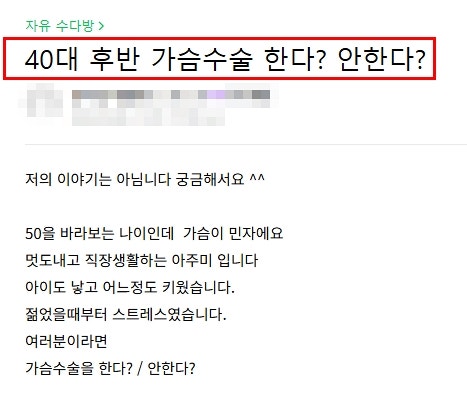
"Doctor, would getting breast surgery at my age look foolish or out of place? I really want to do it... but I wonder if it's too late now."
As a specialist who has met countless middle-aged patients,
let me start with a clear conclusion.
It is never too late, and it is entirely possible.
Just recently,
I safely performed a revision breast surgery
for a patient in her 70s as well.
In fact, many patients are deeply satisfied,
treating it as a reward to themselves
after living such hard-working lives.
However, there is one crucial point you must keep in mind.
You should never simply follow the surgical approach
designed for patients in their 20s and 30s.
Because physical baselines change with age,
tailored, specialized criteria are required.
Today, I would like to speak candidly about
the essential points to check
when considering breast augmentation in your 40s and beyond.
1. What should you watch out for in your 40s and beyond?
Pregnancy, childbirth, and breastfeeding.
After experiencing these extraordinary, beautiful journeys,
inevitable traces
remain on a woman's body.
The two key factors that must be carefully evaluated
during breast surgery are precisely these changes:
1) Loss of skin elasticity
2) Reduction of internal tissue volume
It is similar to how a taut balloon
becomes wrinkled once deflated.
For this reason,
I do not unconditionally recommend
'large-sized' implants
for patients over 40.
Weakened skin cannot sufficiently support heavy implants,
leading to premature sagging over time.
Furthermore, an overly drastic volume change
can feel overwhelming or unnatural
in daily life and social interactions.
Additionally, many women find
that their nipples have enlarged
or stretched out after nursing.
If the breast tissue covering the implant has thinned
while the nipples remain enlarged,
the overall aesthetic will lack harmony.
In such instances,
combining nipple reduction with the procedure
helps delicately restore
the overall balance of the breasts.
Ultimately, no matter how diligently you have maintained your body,
the anatomical baseline in your 40s
inevitably differs from your 20s and 30s.
Accurately measuring the current skin laxity
and remaining glandular tissue volume
to determine a volume that is 'safe, natural, and strain-free'
is what decides the true success of the surgery.
2. Why does the consultation process demand greater precision?

Sometimes, middle-aged patients arrive
with dramatic, high-volume review photos
of women in their 20s.
When that happens, even if it feels
like pouring cold water on their hopes,
I gently yet firmly advise them
that they should not pursue that approach.
The reason I remain persistent
with this conservative stance is simple:
Breast surgery for mature adults must always
be concluded safely in 'a single procedure.'
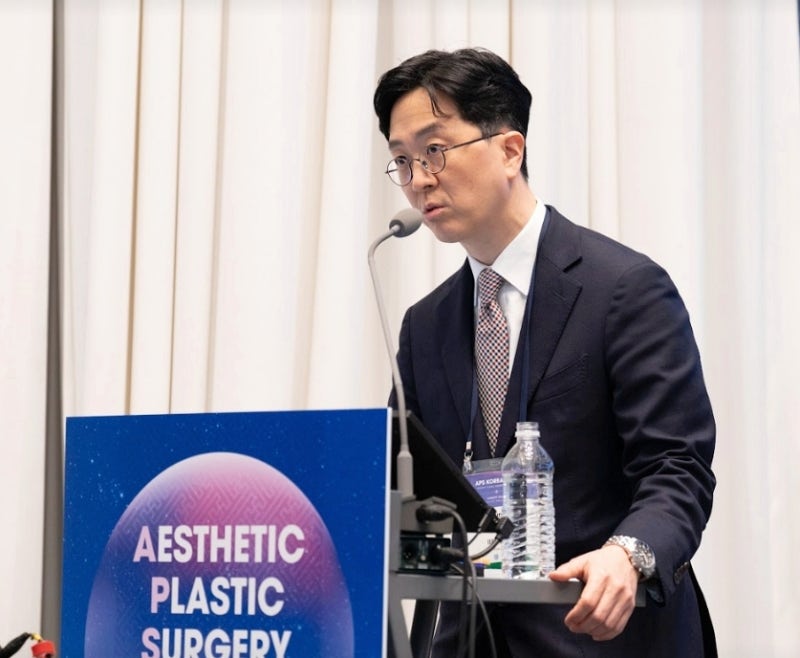
No matter how advanced surgical methods are in minimizing incisions,
breast augmentation is a major surgery requiring general anesthesia.
Unlike in one's 20s, the body of someone over 40
processes surgical stress and anesthesia differently,
resulting in a distinct recovery timeline.
What happens if complications arise from an overly aggressive surgery,
necessitating revision surgery?
Not only is damaged breast tissue far more difficult to reconstruct,
but the physical toll and burden
endured by the patient
are incomparably greater than the primary surgery.
That is why I prioritize 'absolute safety'
that remains complication-free and comfortable 10 or 20 years down the line,
over the gamble of instant, flashy fullness.
If the desired volume or implant dimensions
place even the slightest strain
on the patient's current physique,
I actively guide them toward smaller sizes
and a safer surgical plan.
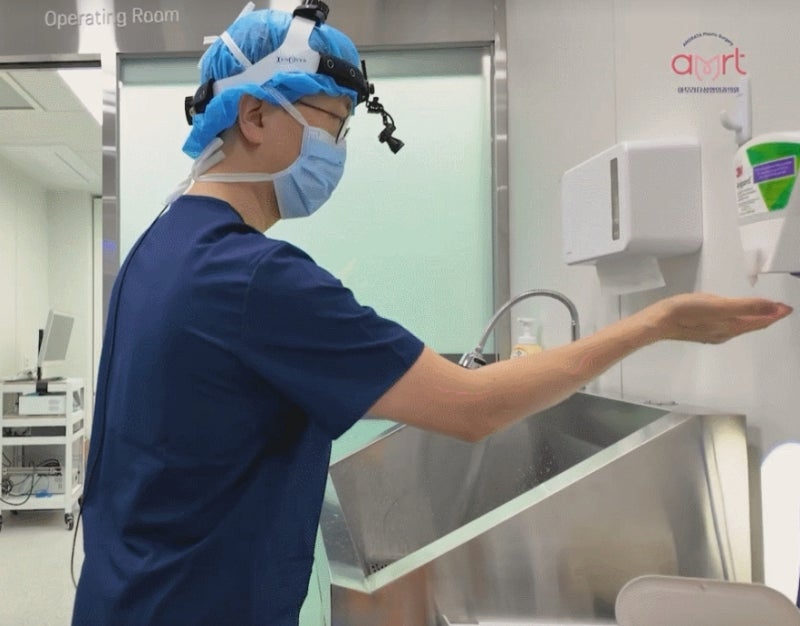
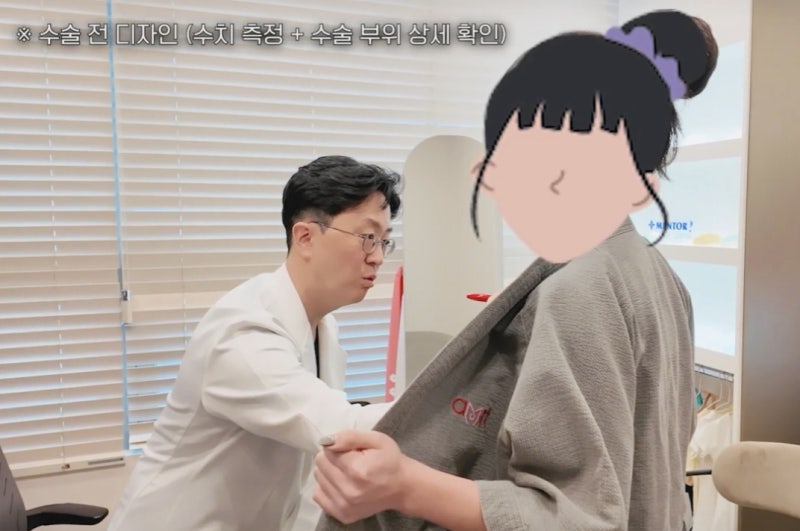
While I dedicate at least 30 minutes to consultations
even for younger patients to ensure surgical quality,
consultations with patients over 40
are notably more extensive for this exact reason.
Skin thickness, rib cage structure,
and future aging trajectories…
Every single factor must be evaluated
to eliminate even a 1% risk of complications.
When selecting a clinic, I strongly urge you
to choose one that places safety above all else during consultations.
Aging does not diminish
a woman's natural desire to feel beautiful.
Taking a brave step
to regain lost confidence
and embrace renewed vitality in life
should never be hindered
by a mere number.
However, please be sure to understand
the physical differences from your younger years
and proceed with surgery
focused on lasting safety.
I hope today's insights
have been helpful to you.
Thank you.
<Helpful Related Column>
Amorata Plastic Surgery |
Main Line: 02-522-0955 3F, Square Cube, 28 Seocho-daero 78-gil, Seocho-gu, Seoul |
This post was written directly by Amorata Plastic Surgery
in compliance with Article 56 of the Medical Service Act,
with the aim of providing accurate medical information.
All procedures and surgeries carry risks of side effects
that vary depending on the individual,
so please consult thoroughly with a medical specialist before making your decision.
Frequently Asked Questions
Is breast augmentation possible after age 40?
Yes, it is entirely feasible regardless of age. Surgeries have even been safely performed for patients in their 70s. When executed with a precise evaluation of individual anatomy, it yields highly satisfying results.
Why should excessively large implants be avoided in mature patients?
Due to decreased skin elasticity, larger implants are prone to early sagging. After childbirth and nursing, internal breast tissue diminishes and skin thins, meaning heavy implants can jeopardize long-term stability.
Can nipple reduction be combined with breast augmentation?
Yes, it is often performed concurrently when indicated. If the nipples have stretched from breastfeeding while glandular volume has decreased, combining nipple reduction helps achieve natural balance and harmony.
Why are consultations longer for patients over 40?
To eliminate revision risks and ensure absolute safety. Compared to younger patients, the physiological stress from anesthesia and recovery requires a thorough analysis of skin thickness, chest wall anatomy, and future aging factors.