2026-11-11
Bounce Implant Review? A Guide for Anyone Worried About Side Effects
A guide for those worried about Bounce implant side effects, covering its raw material and shell design, warranty coverage, and why choosing the right size matters most.
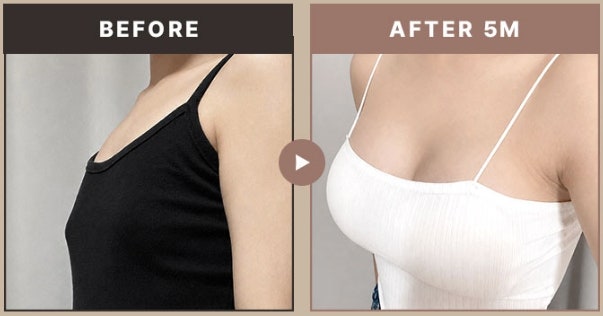
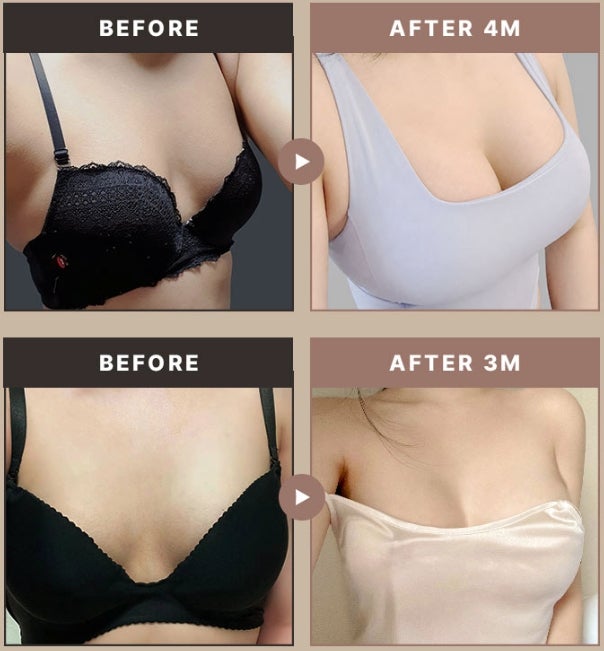
“I’ve heard Bounce is good, but what if side effects happen?”
For those looking into breast augmentation these days, this is a question I hear often.
I know a new implant has come out and you’re intrigued... but when you picture it going into your own body, worry tends to come first.
You may especially be thinking things like:
“Wasn’t there a controversy over raw materials with this brand before?”
“It’s only just come out, so what if problems show up a few years from now?”
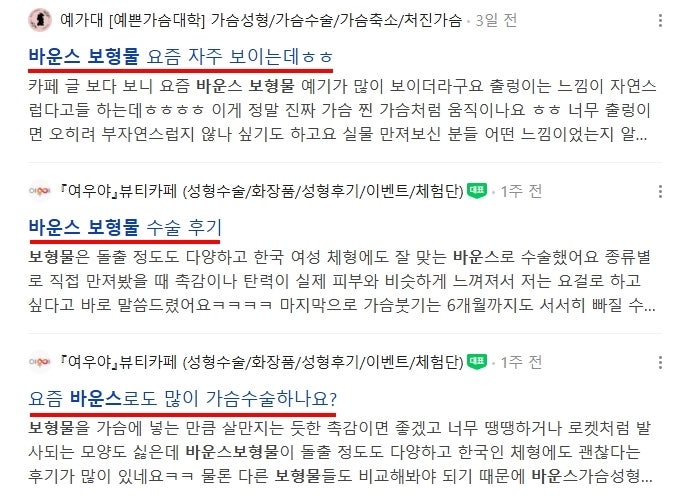
When you look through reviews, there are plenty of “it’s great” comments, but the answers about the side effects you’re actually worried about are hard to find.
Today, we’ve put together this guide for anyone worried about Bounce’s side effects.
We’ll cover what safety evidence is currently available and what you should look at to help reduce the risk of side effects.
1. Concerns About the Product Itself: How Did Bounce Respond?
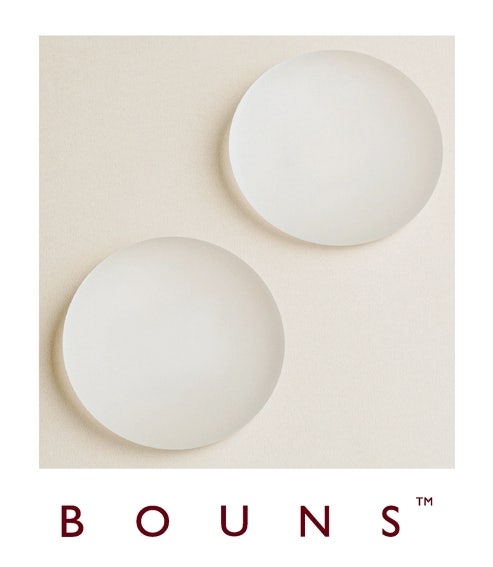
Worries about the implant itself usually come down to these three.
“Can the materials be trusted?” |
“If it’s soft, isn’t it weaker?” |
“What if something goes wrong?” |
Let’s go through them one by one.
Q. Can the materials be trusted?
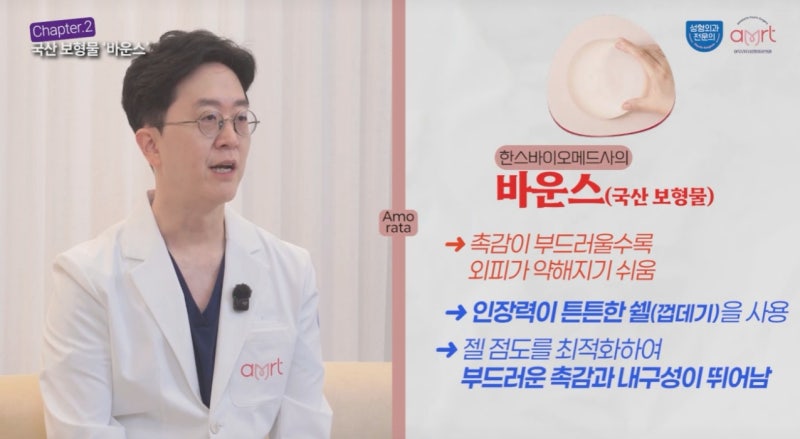
Hans Biomed, the company behind Bounce, once faced controversy over raw materials with its earlier implant.
So it’s completely understandable that you’d be concerned.
Drawing on that experience, Bounce is built on an entirely new manufacturing process.
This isn’t just a light adjustment to the existing process. The biggest difference is that the quality verification procedures, from raw materials all the way through production, were redesigned from scratch.
Q. If it’s soft, won’t it be weaker?
Implants have long faced one persistent challenge.
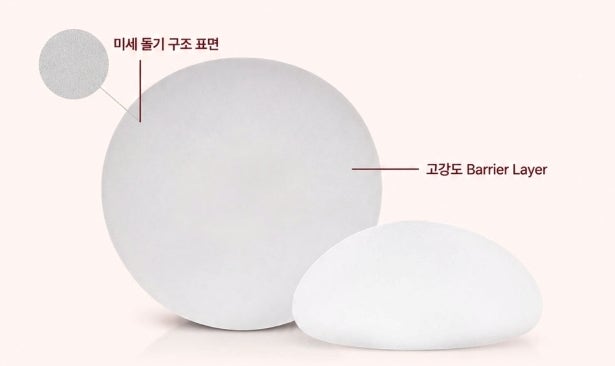
To make the feel softer, the outer shell that encases the implant tends to get thinner, and a thinner shell means lower durability.
Think of a balloon: the thinner the rubber, the softer and more stretchy it feels, but the easier it is to burst from even a small impact.
Bounce takes a different approach. Rather than thinning the shell, it keeps a sturdy outer shell and adjusts the viscosity of the inner gel to achieve a soft feel.
The fact that it doesn’t sacrifice durability for softness is what helps ease concerns about side effects.
Q. Is it also used in more demanding surgeries?
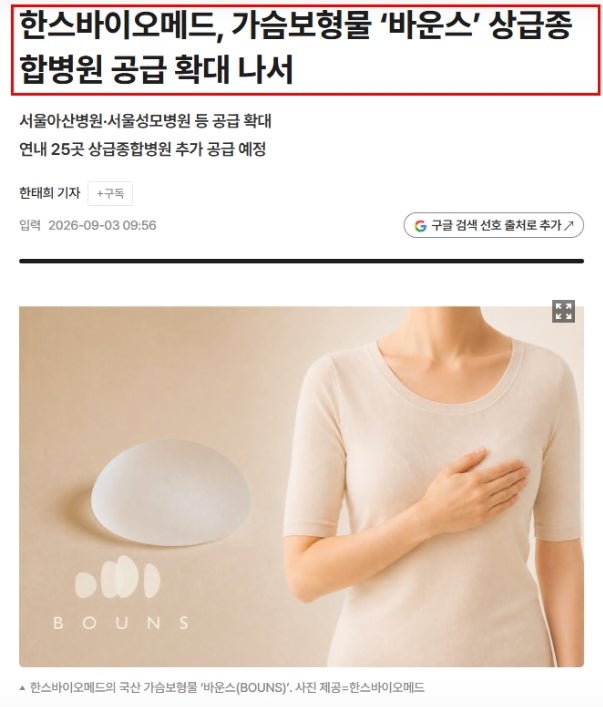
After its launch, Bounce was first used at university hospitals for patients undergoing breast reconstruction after breast cancer surgery.
Reconstructive surgery has far stricter requirements than cosmetic procedures.
Cancer surgery often removes a lot of breast tissue, leaving thin tissue to cover the implant, and the skin is frequently weakened by treatment.
That it was first adopted in such a demanding setting can be seen as one sign that medical teams have a reasonable level of confidence in its safety.
Q. What happens if something goes wrong?
There are also safeguards in place for the unexpected.
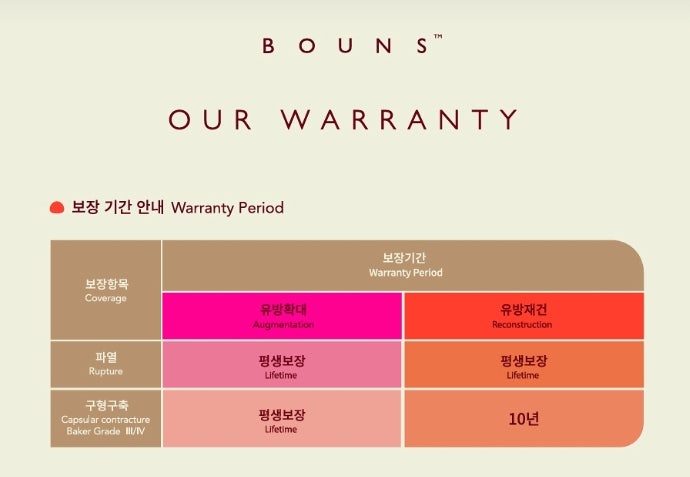
The manufacturer runs a warranty program that provides replacement implants: for life in the event of a rupture, and in the case of severe capsular contracture (where the breast becomes hard), for life for augmentation surgery and for 10 years for reconstruction surgery.
In other words, the manufacturer takes responsibility to the end for any concerns about the product itself.
2. Real Side Effects Are More Often Rooted in “Selection and Planning”
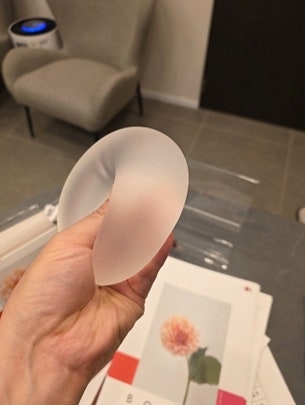
Looking at all this, you might be thinking, “So if I choose Bounce, I can relax?”
But the important part comes next.
Many side effects after breast augmentation don’t come from a defective implant. They’re far more often the result of choosing something that doesn’t suit your body, or a surgical plan that didn’t match your body type.
Let’s look at the causes of each type of side effect.
① Rippling
If the skin and fat layer are thin and a large implant is placed, there isn’t enough tissue to cover it, and the ripples become visible from the outside.
It’s like covering a large ball with a thin blanket: the outline of the ball shows right through.
② Malposition
What happens if you choose an implant that’s wider than your chest wall, or create a pocket that’s larger than necessary?
There’s room for the implant to shift sideways or downward.
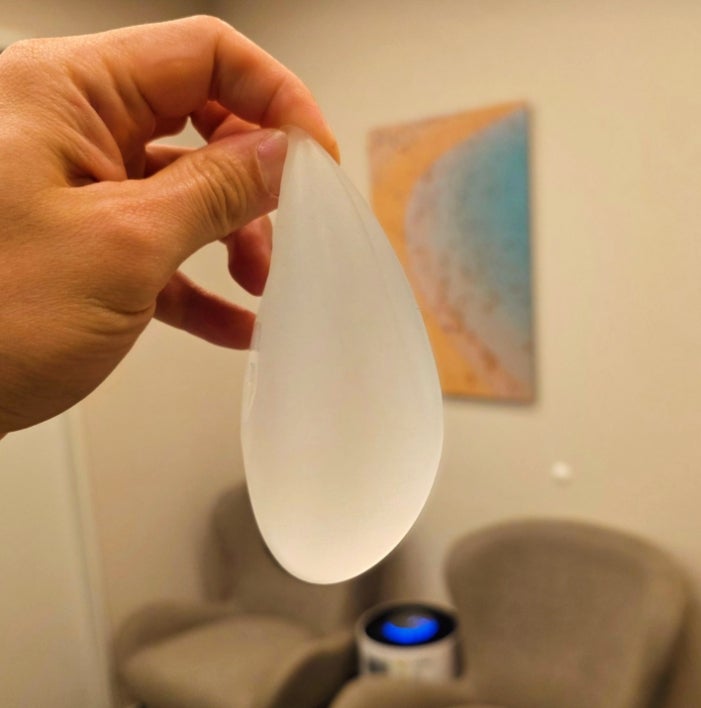
③ If the breasts sag over time
If you place an implant too heavy for your own tissue to support, gravity can gradually stretch the skin and tissue, leading to sagging.
④ Capsular Contracture
This is when the capsule around the implant thickens and tightens, making the breast feel firm.
Contact between the implant and bacteria on the skin’s surface during surgery, or blood pooling after surgery, are among the commonly cited causes.
That’s why it matters whether the implant is placed without touching the skin, whether bleeding is carefully managed, and whether progress is checked regularly after surgery.
Looking at these, there’s a common thread.
Most of the side effects above depend less on “which brand was used” and more on “whether the size and shape were chosen to fit your body” and “how accurately the implant was placed and managed.”
This is where Bounce’s strengths come into play.
Bounce comes in five projection levels, with finely spaced sizes.
The more precise your options, the less you’re pushed into an overreaching choice like “nothing fits exactly, so I’ll just go one size up.” That can help you avoid side effects such as rippling, malposition, and sagging.

That’s why, in consultations, seeing it for yourself matters.
On paper, two implants of the same size can look completely different once placed on the body, especially a wide-base type versus a high-profile type.
By placing sample implants in a sports bra and checking from the front, from the side, and even with your arms raised, you can find a size that suits your body without strain, with far greater accuracy.
If you’re worried about Bounce’s side effects, try splitting that concern into two parts.
Concerns about the implant itself can be eased to some extent through the revamped manufacturing process, a design that balances shell durability with feel, its use in reconstructive surgery, and the manufacturer’s warranty program.
However, the side effects that actually occur more often arise during the process of choosing and placing the implant.
No matter which brand you choose, the possibility of side effects such as bleeding, infection, and capsular contracture doesn’t disappear completely.
So rather than asking “Should I go with Bounce?”, the most reliable starting point for reducing side effects is to first ask, “What size and type would suit my body?”
<Related Column You May Find Helpful>
Amora Taps Plastic Surgery |
Main phone: 02-522-0955 28, Seoro-daero 78-gil, Seocho-gu, Seoul, Square Cube, 3rd Floor |
This post was written directly by Amora Taps Plastic Surgery, in compliance with Article 56 of the Medical Service Act, for the purpose of providing accurate medical information.
All procedures and surgeries may cause side effects of varying severity depending on the individual, so please make a careful decision after thoroughly consulting with your medical team.
Frequently Asked Questions
Can the raw materials in Bounce implants be trusted?
The article explains that Hans Biomed, the maker of Bounce, rebuilt its manufacturing process after the earlier raw material controversy. The key difference, it says, is that the quality verification procedures, from raw materials through production, were redesigned from the ground up.
Doesn’t Bounce lose durability because it’s so soft?
No. The article explains that Bounce keeps a sturdy outer shell instead of thinning it, and adjusts the viscosity of the inner gel to achieve a soft feel. It says this design, which doesn’t give up durability for softness, helps ease concerns about side effects.
Is Bounce used in reconstructive surgery as well?
Yes. According to the article, after its launch Bounce was first used at university hospitals for patients rebuilding their breasts after breast cancer surgery. Since reconstruction has far stricter requirements than cosmetic surgery, the article suggests this can be seen as one sign that medical teams have a reasonable level of confidence in its safety.
What does the manufacturer’s warranty program cover?
The article describes a program in which the manufacturer provides replacement implants: for life in the event of a rupture, and for severe capsular contracture, for life for augmentation surgery and for 10 years for reconstruction surgery. It explains that this structure means the manufacturer takes responsibility to the end for concerns about the product itself.
Do side effects mainly come from the implant itself?
The article says side effects more often come from choices and planning than from a defective implant. Selecting a size or type that doesn’t suit your body, or a surgical plan that doesn’t match your body type, can lead to rippling, malposition, sagging, or capsular contracture.
What should I check during a Bounce consultation?
Checking the right size and type for your body directly, using sample implants, is important. The article advises that the better first question is not “Should I choose Bounce?” but “What size and type would suit my body?” as a starting point for reducing side effects.